
Le Mans is a quiet, French town of about 150.000 inhabitants in the western part of the country. It has a few churches and monuments and is, I’m sure, a pleasant place to live, however one that for anyone without connection to it would go unnoticed. If it weren’t for one thing that is, namely one of the most famous car races in the world: the 24 hours of Le Mans. Every year, the event engages pretty much every single family in the town, now as well as in the past, in various volunteering roles at and around the race. The whole region around Le Mans thus breathes the famous 24 hours, to the extent you can’t imagine the town without the race.
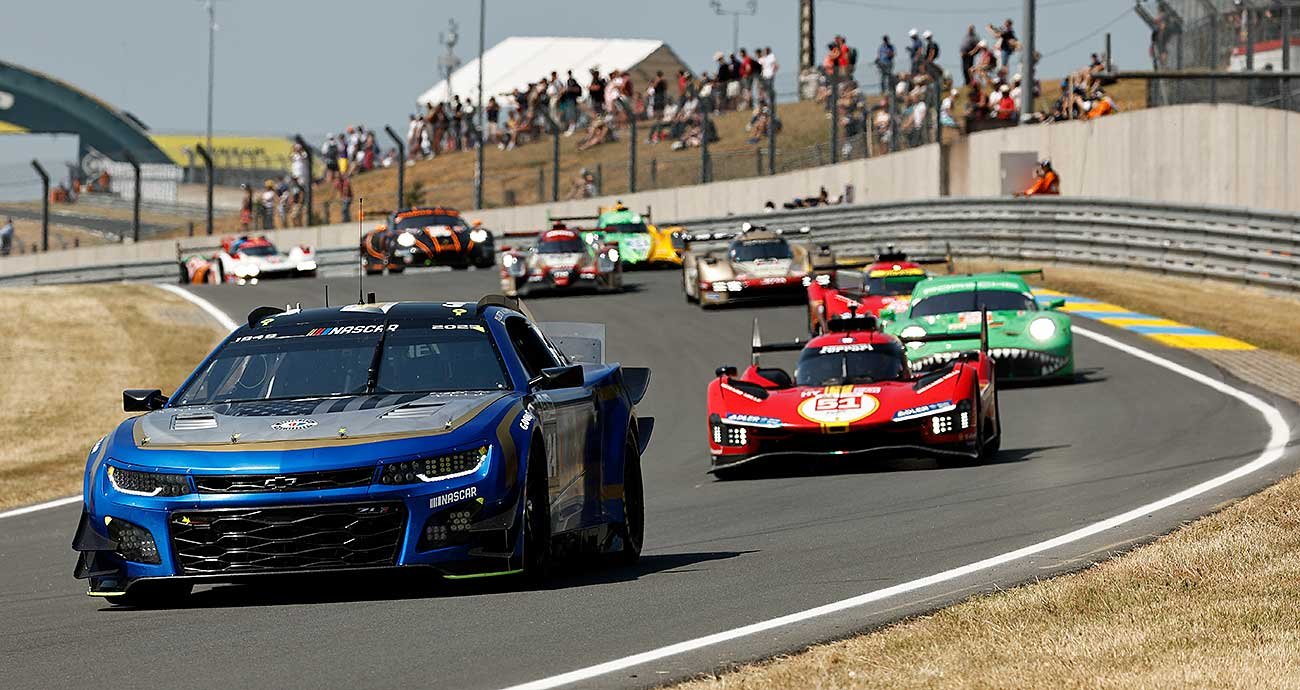
A few weeks ago in June the 24 hours celebrated its 100 years of existence, a time over which the race has seen not only typical racing bravery but also several evolutions in terms of brands, car types and even different fuels that have won the race. Famous drivers have proven their talent in Le Mans, and the race has figured in several movies. This week therefore, let’s look closer at the race that for 100 years has been, and today still is, one of the leading car races of the world!
Everything started in the early 1920’s when the French gentlemen Charles Faroux and Georges Durand, the latter president of the Automobile Club de l’Est (ACO), decided to organize a new car race in the region in the form of a “confrontation” between the leading French car makers of the time. This would constitute a rebirth of racing after the first world war, but also after a number of other races and, well, pretty bad accidents before it. The ACO remains the organizer until this day, however the confrontation initially imagined is now of course no different from other races, if it weren’t for the distance and the format, i.e. the 24 hours of racing. The initial idea in 1923 not to let the winner count as such until he had won the race again the subsequent year was however dropped. Even for the French with their penchant for the slightly complicated, this was apparently a bit too much…
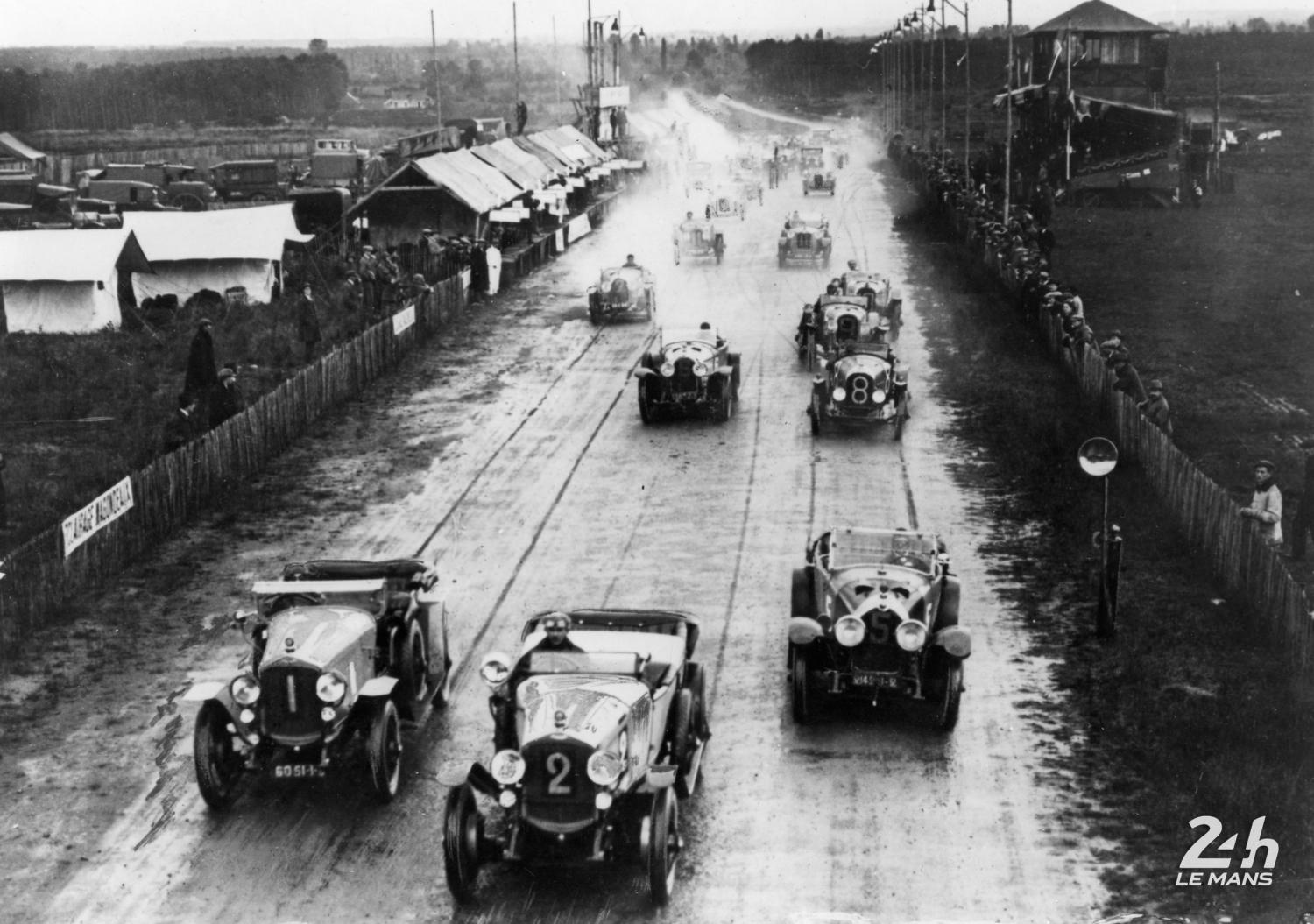
The 24 hours is driven on a 17 km (11-mile) track called Circuit de la Sarthe, a combination of normal roads and racing sections that in spite of going through a number of changes through the years, has remained largely the same since 1923. It’s thus quite a long track and one where more or less every curve is known to enthusiasts. Landmarks include the Dunlop corner and footbridge, allowing spectators to cross above the track at the height of the curve, the Tertre Rouge curve, named after the red soil where it’s located and where many races have been lost, as well as the famous Mulsanne straight, 5.5 km (3.5 mile) long where in 1988, a speed record of 407 km/h was set, leading to a couple of chicanes being added to the track to make sure that record stands forever…

What is special about the race is of course that it’s run over 24 hours and won by the team which in that time covers the longest distance. Nowadays with modern cars, this leads to winning teams covering more than 5000 kms during the race, far longer than most other somehow comparable events, such as the Indy 500. Above all though, and especially in earlier days, there’s quite a bit of tactic involved in correctly weighing outright speed with the cars’ durability, the longevity of brakes and tires, and of course also drivers, who tend to switch at least every two hours.
If the race initially was a confrontation between different car brands, those days are long passed and now it’s of course dedicated race cars that compete in different classes. It has however remained a largely European affair both in terms of drivers and teams, without forgetting however the Ford GT40 that counts among the most successful cars historically. Some others include the 1970 Porsche 917, driven in 1969 by a certain Ferdinand Piëch and also featured in the film “Le Mans” with Steve McQueen from 1971, the Audi R18 from 2013 which with different drive trains from diesel to hybrid became a winner, and also the 1995 McLaren F1 GTR, considered McLaren’s best race car ever, also since it was fundamentally a street car. The list could of course be made much, much longer.

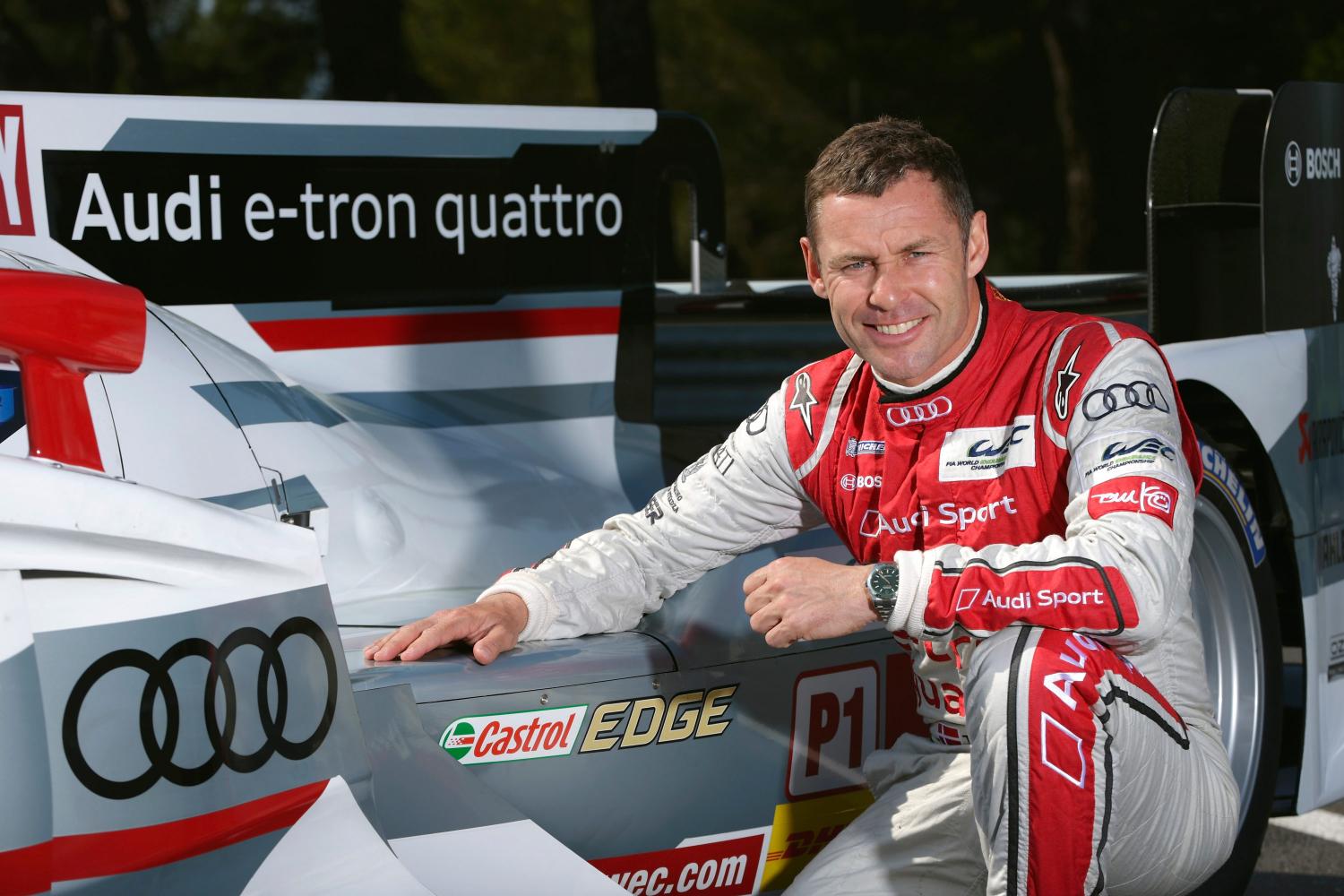
In terms of the brave men driving those and other cars, these come in teams as no one would manage to drive the full 24 hours on his own. These days teams typically consist of three drivers and of these, no one has been more successful than Tom Kristensen, referred to as “Mr. Le Mans”. The very fast Dane won his first race in 1997 and went on to win another eight races until 2013. A certain Jacky Ickx won six races in the 60’s and 70’s while racing in F1 at the same time. He shared three of those victories with team mate Derek Bell, who appeared in no less than 26 races until 1996. Again the list could be made much longer, but in general, accumulating multiple victories wasn’t possible in the early years, such were the strains both on machines and drivers.
As for the races, it’s of course hard to do them justice in writing, given they run over 24 hours in day- and night time and all kinds of conditions, quite often including heavy rain. To name at least a few however, 1933 counts as the first tightly fought Le Mans race. Tazio Nuvolari and his team mate Raymond Sommer were set to win on their Alfa Romeo 8C when, shortly before the end, their fuel tank started leaking. Having repaired the leak with chewing gum (!), the caught up with he two other Alfas that had passed them and won by a margin of 400 meters – which was however plenty compared to Jacky Ickx’s margin of 120 metres in 1969!

In 1988, Jaguar scored its first Le Mans victory in 30 years, however with only a two-minute margin to Porsche, the dominant team at the time, sounding far more than it really was. As became known after the race, the last Jaguar driver Raul Boesel noticed a strange sound from the gearbox towards the end and decided to leave the car in fourth gear for the remainder of the race. He also turned off the radio, not really feeling like discussing his tactic with the team. He finally held off the chasing Porsche but had the race gone on for five more minutes, the roles may well have been reversed.
Le Mans is however noteworthy as one of very few, if not the only race format where diesel cars have been successful. This is of course linked to their fuel economy, potentially leading to fewer stops. Both Audi and Peugeot have won the race with diesel engines, and their struggle in 2008 counts as the greatest Le Mans race ever. Audi’s highly successful R10 TDI was getting old by then, and the more modern Peugeot 908 HDi was the favorite. However the Audi was better in the rain that came in the middle of the night, expected by Audi but not by Peugeot. Tom Kristensen, Allan McNish and Rinaldo Capello on the Audi lost the lead again when it dried up, but a short rain spell towards the end where Peugeot chose to leave their car on slicks finally made the difference, allowing “Mr. Le Mans” Kristensen to score on of his nine wins.
100 years later, the 24 Hours of Le Mans is thus alive and well and will hopefully remain so for many years to come. Teams and drivers will vary, as will fuel types. And if you happen to be in western France in June and feel like doing an all-nighter on a racing track, there’s certainly no better place to go than Le Mans!
 The Thrill of Driving