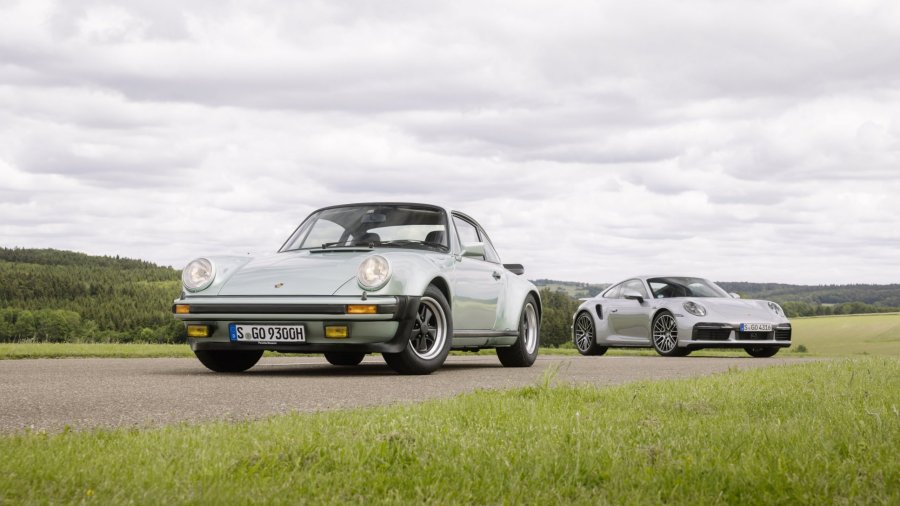
Over several decades now, one of the greatest truths of the automotive world has been that nothing, or at least very few things hold their value better than a 911.
It’s however equally true that whereas when you said 911 a few decades ago, you were essentially talking about one car. When doing so today, it refers to so many different generations and models that quite naturally, the value holding truth doesn’t hold to the same degree for all of them. On the top of this come all the changes the last years have meant in terms of hybridization, electrification and general insecurity about the future.
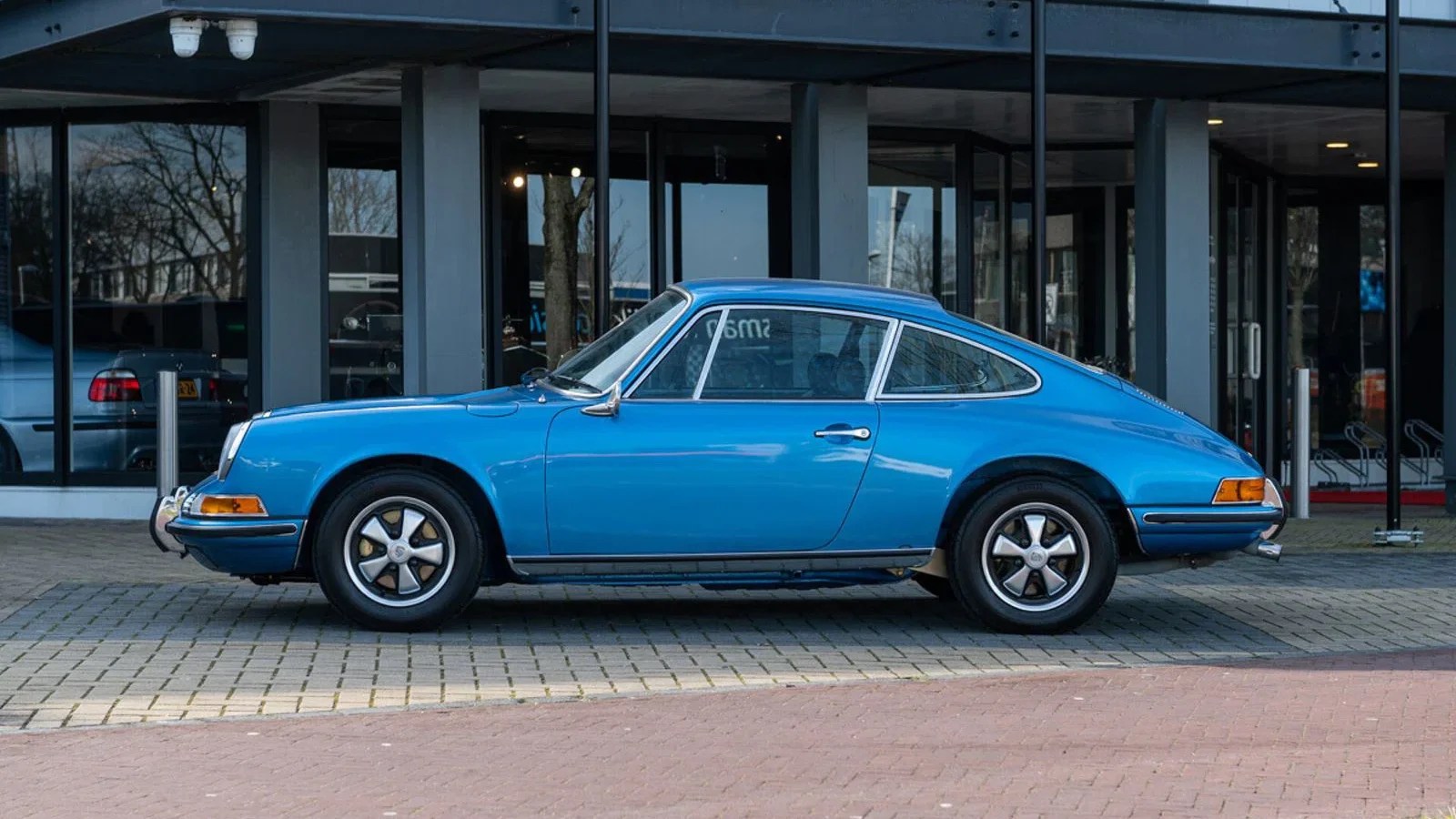
So with all that in mind, does it still hold that a 911 be referred to as a good investment, next to being one of the all-time greatest driving experiences?
This week we’ll dig a bit into this, and we’ll do so for a small number of models quite arbitrarily chosen as 911’s I’d love to put in my garage, that are more or less usable as daily drivers rather than being collectibles, and that are a few years old, true to the motto of finding a bit of extra value after the initial depreciation.
I’ve chosen to focus on the 996 Turbo, the 997.2 and the 991.1. I’m not sure any of them need a further motivation, but let’s just say that as an analogue driving experience with the Mezger engine, the 996 Turbo has no difficulty in making the list.
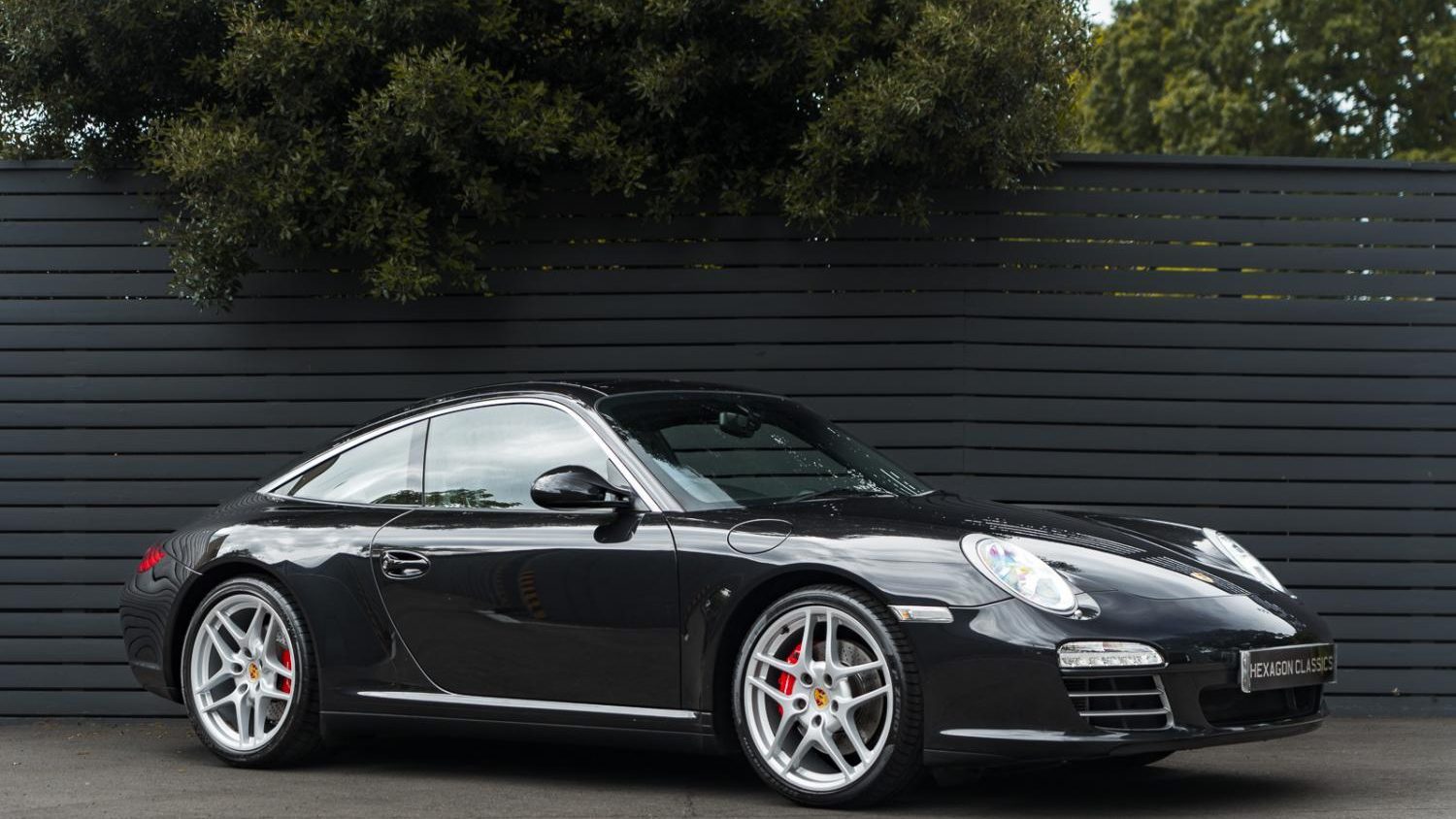
Neither has the 997.2, perhaps my favorite body style of all 911’s. A clear step-up from the 996 in quality as well, and still with that Mezger engine, however naturally aspirated and available with a manual gearbox. Finally the 991.1 as the last representative of naturally-aspirated 911’s and also available as a manual, although it’s debatable whether to go for that or the PDK.
The three above all saw some initial depreciation, albeit less so than many other cars. That was however a while ago, and we’ll come back to what the market looks like today. Let’s however first address the value-keeping aspect by looking at some newer and slightly more special 911’s. Because the lucky owners of one of these never saw any depreciation in the first place!
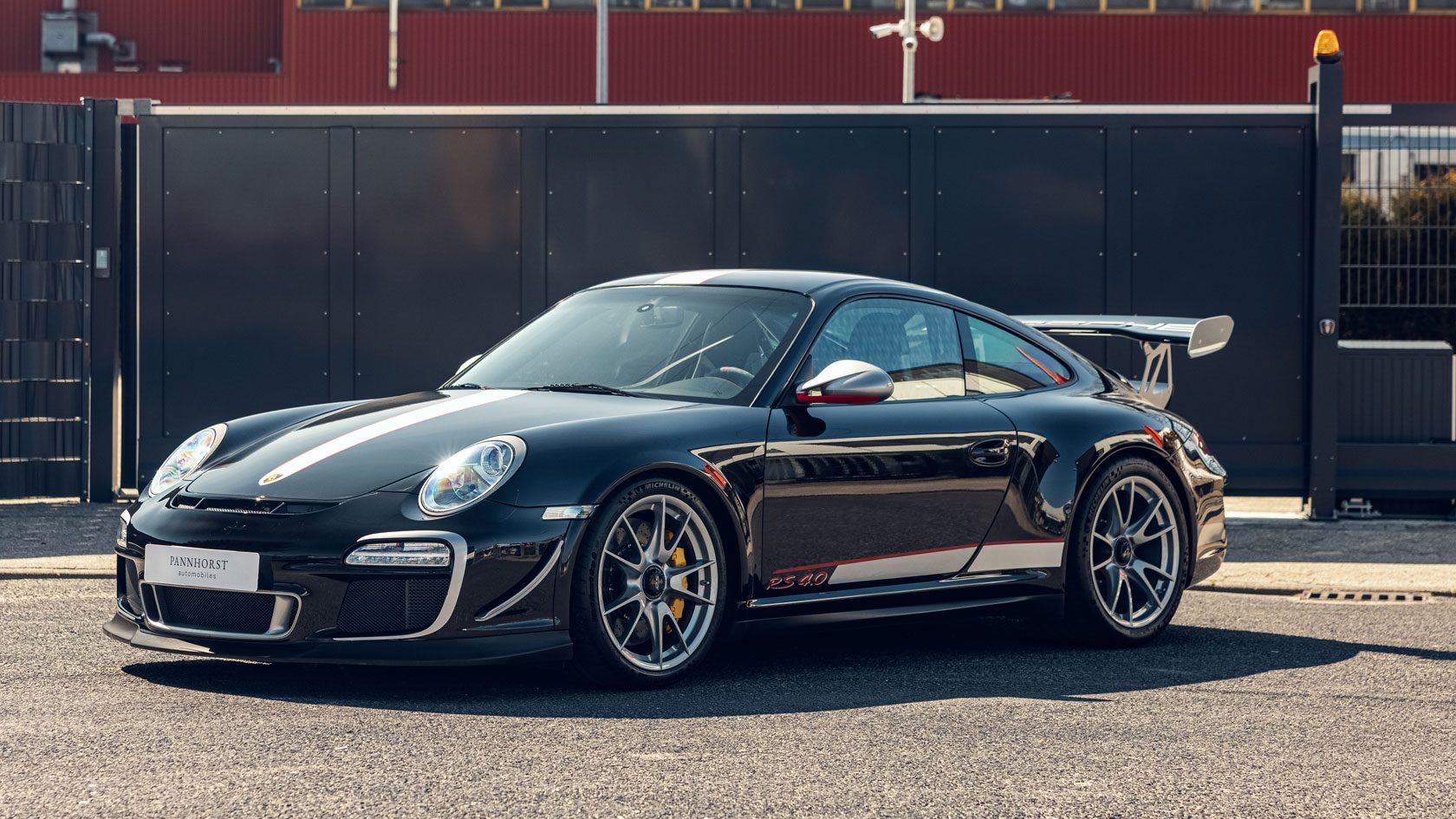
Ultra-limited series such as the 997.2 GT3 4.0, only built in 500 examples, reached the stratosphere basically as soon as the lucky owners were given the keys . With a four-liter, naturally aspirated Mezger engine and 500 hp, the 500 who paid around EUR 180′ for one as new would potentially sell today at around three times that money. Not that they would of course.
The 991.2 GT3 Touring provides another interesting example, and is perhaps the most attractive 991 after the 991.1. A four-liter, naturally aspirated engine, rear-wheel drive, no giant wing on the hood, and a limited production run. That was a rather obvious formula for success, and GT3 Tourings have gone from around EUR 200′ as new to over EUR 300′ today.
Finally, the very wonderful, sublime 911R. The GT3 RS engine, no spoiler, a manual gearbox, reduced weight and a limited series of 991 cars. Porsche very much knew what they were doing, and a 911R that would have cost you EUR 200′ as new is worth three times that today – at least. Precise estimates are difficult as the market is rather slim, exactly as it should be!
You could add further models to the above and it’s clear that at the top of the market and for truly special cars, you can indeed talk about capital appreciation from day one. Naturally however, that doesn’t hold for all 911’s. So what about the three older, not as special as these, but still somewhat special, that I’ve chosen above?
When looking at long-term price evolution, mention needs to be made of the Covid years. The combination of lockdown savings, ultra-low interest rates, scarcity of cars, generalized boredom and through that, a renewed enthusiasm for analogue/ICE cars produced a spike in residual values that affected 911’s across the board – and a lot of other cars as well. In the last years values have come back somewhat, but interestingly, they’ve done so less for cars such as the 996 Turbo and 997.2.
Interestingly and without intention, the three selected 911’s start at roughly the same price point meaning around EUR 60-70′. The 996 Turbo is next to the 4S the most collectible of the 996’s and even for today, the Turbo offers serious speed and driving thrills, in spite of being 25 years old.
The 997.2 is perhaps not yet a collectible, but certainly a keeper, should you be lucky enough to have one, and probably not a bad idea for the future. The IMS bearing failures of the first series were sorted and the clear step-up in quality vs the 996 was always appreciated. A good 997.2 4S today starts at similar values to the 996 Turbo, with the 997.2 Turbo north of EUR 100′, and a significant premium for manual cars. Trying to find a manual goes for the 997.2 4S as well, as those hold and will hold their value better.
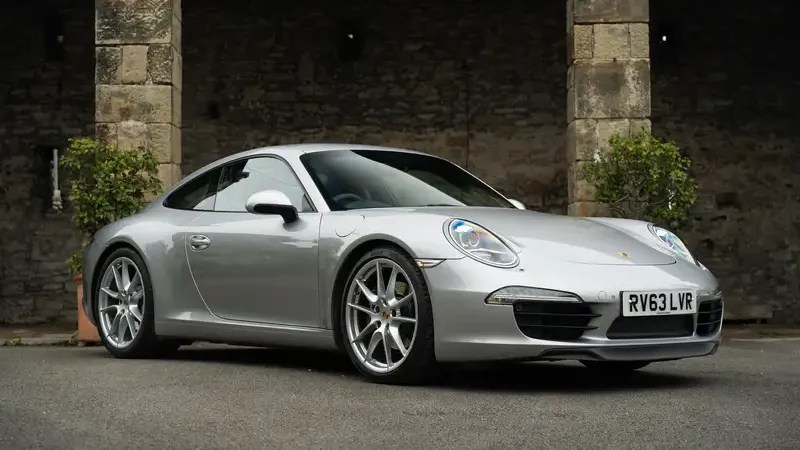
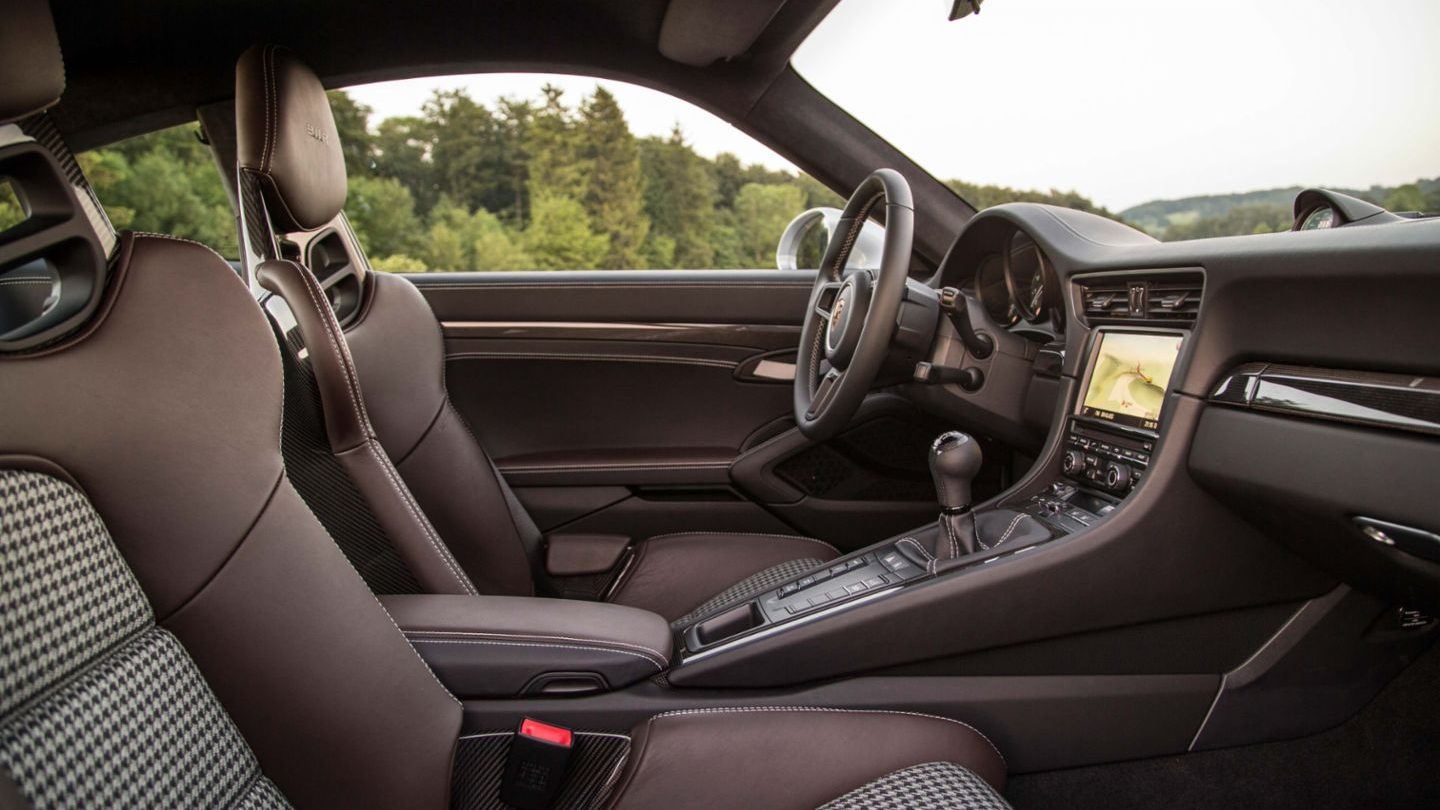
Finally, the 991.1 is a potential future winner. It’s clearly the most modern of the three, but it’s also bigger and at least to me, not as good-looking as the 997. But as the last naturally-aspirated 911 and with just the right level of modernity, it’s the daily par excellence of the three. There’s little doubt that today’s starting price will probably look very attractive in a few years. The PDK is fine, meaning you don’t need to choose a manual unless you really want to
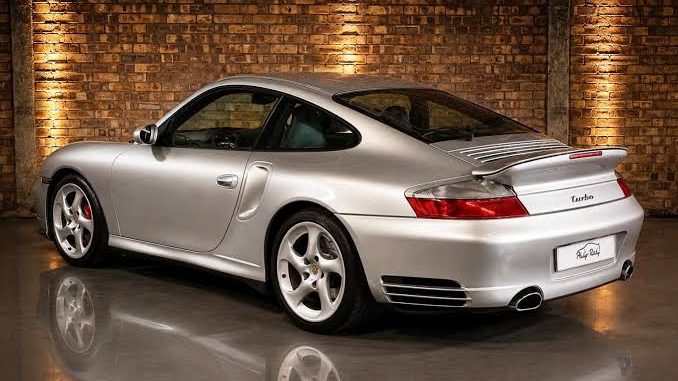
This is all well and good, but it doesn’t really answer the initial question , namely if these three have been good investments? That really boils down to when you bought them. As we’ve seen, buying an R or a GT3 Touring as new would have been downright profitable. If on the other hand, you had bought the 996 Turbo as new, counting in today’s money, you’d be down about 65% on your initial investment.
That’s however not too bad, considering the car is by now 25 years old, and you would thus have had 25 yeas of sublime driving experiences! If however you had bought it just before Covid, you wouldn’t have lost a dime, and I would claim you won’t do so going forward either, as the 996 Turbo is now clearly entering collectible territory.
The story is arguably even better for the 997.2 which hasn’t reached full classic status yet, and even more so for the the 991.1 which in terms of car for the money clearly scores highest in objective terms.
It does seems that the old truth still holds. Buying a 911 is about as safe as you can go in residual value, It’s also, and even more importantly, one of the best choices you can make in car terms. After all, money is just money, whilst truly great driving experiences are for life!