if you’re a cyclist like me, you’ll know that punctures can happen in many different ways and are completely unpredictable. Two years ago I rode 3.000 km in a season without a single flat tyre, only to have three of them within two weeks the next year. And whereas some punctures are very much like sticking a nail in a balloon, others are of the fizzling kind and you won’t notice them until next time you want to take your bike (typically to the train or bus, that you’ll otherwise miss…).
There are now a growing number of signs that the from the outset completely unrealistic project referred to as the Green Revolution is experiencing precisely that type of fizzling puncture. From north to south and east to west, it’s becoming increasingly clear that the climate goals set by different states, notably with regards to the automobile world, are by all objective measures as good as dead in the water. And it highlighted once again that at the end of the day, politicians will always do what gets them the votes. That’s not a surprise to readers of this blog but still, what’s happened lately is noteworthy.

10 days ago in the UK, PM Rishi Sunak announced a five-year delay on the planned 2030 ban on new combustion cars. He did so saying that the government could not impose “unacceptable costs” linked to reducing emissions on British families, and that moving too fast on green policies “risks losing the consent of the British people”. That’s a level of realism pretty remarkable for a politician, even though there was of course never any consent by neither the British, nor any other people in this regard.
There is little doubt that Sunak isn’t the last politician reversing course, or for that matter, that he looked to Germany to see what can happen when you ignore the will of the people long enough. In the country anyone putting their trust in clean energy should look twice at, the lack of public support for the government’s policies is now showing in regional elections in a way politicians from traditional parties never could imagine.
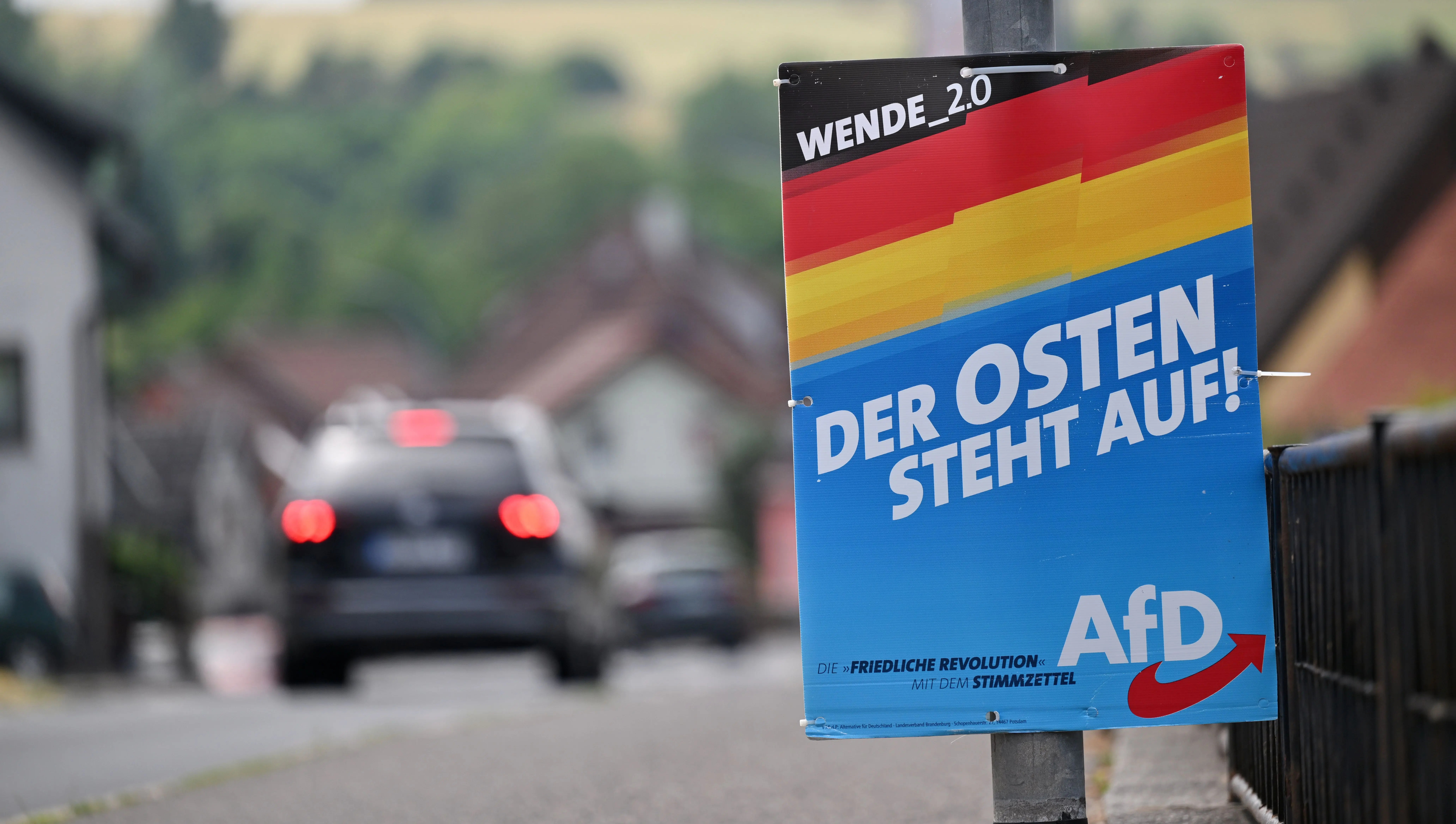
The planned partial ban on fossil-fuel heating boilers that would force people to replace perfectly functioning ones with electrical systems running on green energy at an installation cost of up to EUR 20.000, contributed to the anti-establishment, anti-immigration, anti-everythying AfD party scoring over 20% in regional elections in former eastern Germany. For historical reasons that may feel especially scary in Germany, but what’s happening there is very close to happening in a number of other countriees across Europe and by the looks of it, in the US as well.
Germany has a target of putting 15 million EV’s on the road by 2030, seven years from now. There’s currently about 1.5 million, meaning around 13.5 million are missing, which in turn exceeds the current annual EV production. So, 13.5 million Germans need to be forc… sorry, incentivized, to buy an EV in the next seven years in a recessionary economy. By the looks of it, that will be rather difficult, as the Japanese would say when something is completely unrealistic. Firstly there is barely an economic incentive anymore, with a fast-charging KwH now costing 80 Eurocents at a German supercharger, roughly the same cost as running a diesel. Secondly, there’s all the other reasons we’ve discussed previously on this blog. Thirdly however, there’s something else that has emerged in the last weeks.
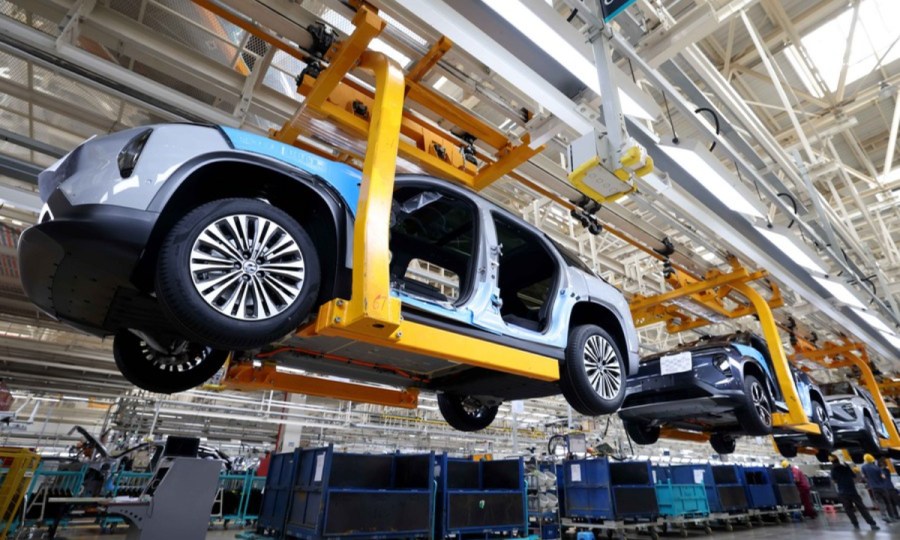
Not only Germany, but the whole of the EU is now talking about limiting imports of Chinese EV’s in order to protect European manufacturers. That’s the same thing as definitely shelving any European EV 2030 targets, as the main obstacle to people not buying EV’s, next to range anxiety, is the cost. China of course has a huge advantage here, with an EV industry that is both heavily subsidized from the state, and with manufacturers controlling the full battery production chain, knowing that the battery pack makes up 40% of the cost of an EV.
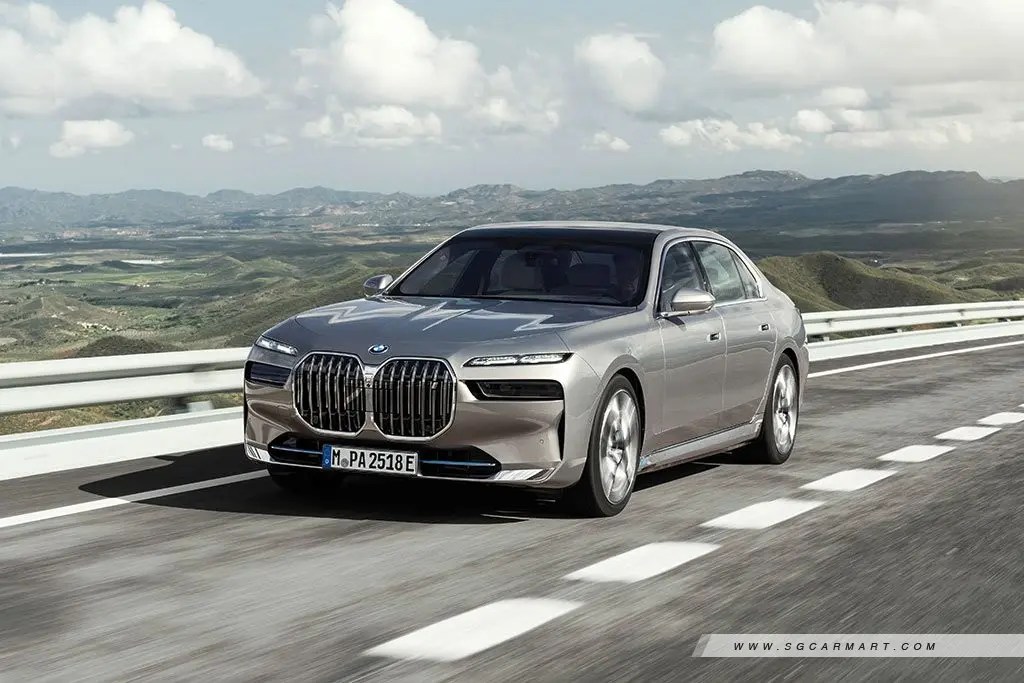
Germany’s car manufacturers cannot compete on cost and have therefore left the budget EV segment largely open to the Chinese. French brands are trying to get a foot in, but can still not compete notably with the scale of Chinese EV manufacturers, with BYD this or next year surpassing Tesla as the largest in the world.
I’m personally all for free trade but that’s certainly not what China practices, so you can have sympathy for Europe not letting state subsidized Chinese EV’s kill the domestic production market. However, that doesn’t mean that you can force European consumers to buy cars they don’t want and can’t afford, as is now illustrated by the falling sales numbers in several markets. Something thus needs to give, and what will give is no doubt the climate goals, since in the end, politicians will always do what it takes to win most votes.
That was further illustrated twice this week, first in Sweden where the new right-wing government is slightly less disconnected to the people than its predecessors, and thus presented a budget that increases emissions short-term. Of course the press in the self-elected, moral superpower was scandalized, but the government knows they have public support. And in California, gorvernor Gavin Newsom this week announced the lifting of an anti-smog ban in the state in an effort to bring down retail gas prices. Newsom has been very efficient these last years in de-stabilizing California’s power grid, but now obviously senses that the wind is changing. As does Donald Trump of course, who my American friends tell me will win next year’s election.

A fizzling tire can continue to fizzle slowly until it’s completely flat. Alternatively, the hole can increase in size and thus let the air out quicker. What it cannot do however, is repair itself. Once there’s a hole, it needs fixing, something that doesn’t only apply to bicycle tubes. It certainly looks like the people, aka the voters, have had enough, and that we’ve finally reached a point where last years’ crazy policies slowly but surely come to an end. My guess is that Sunak along with a number of PM colleagues in other countries, will need to revise that 2035 date to… whenever. The sooner the better, since we can then perhaps instead start dealing with real solutions to the world’s problems!
 The Thrill of Driving