
If you’re a traditional investor in stocks and bonds, 2022 has most probably not been the best year you’ve ever had (because if it were, you’d already be out of the markets a long time ago…). Most portfolios are down on the year (even though the rally in the last one-two weeks have helped most out of the trough), and talk of recession, depression and even more massive inflation is plentiful. And yet, there are assets out there that not only hold their value, but actually continue to perform. Most relevant for this blog is obviously the fact that classic cars are very much part of this group!
The Hagerty indices are well known to classic car enthusiasts as benchmarks for various types of classic cars and thereby for investments in these. You should in my view take them with a pinch of salt since classic cars in various shapes or forms remain an illiquid asset class, and if things don’t trade very often and where objects (in this case cars) are not perfectly comparable, it’s difficult to draw any general conclusions. That said, numbers are based on sales prices that have been achieved, so it definitely has worth as a good indication. From that perspective, it’s interesting to see that Hagerty indices are generally up between 5 and 20% this year.
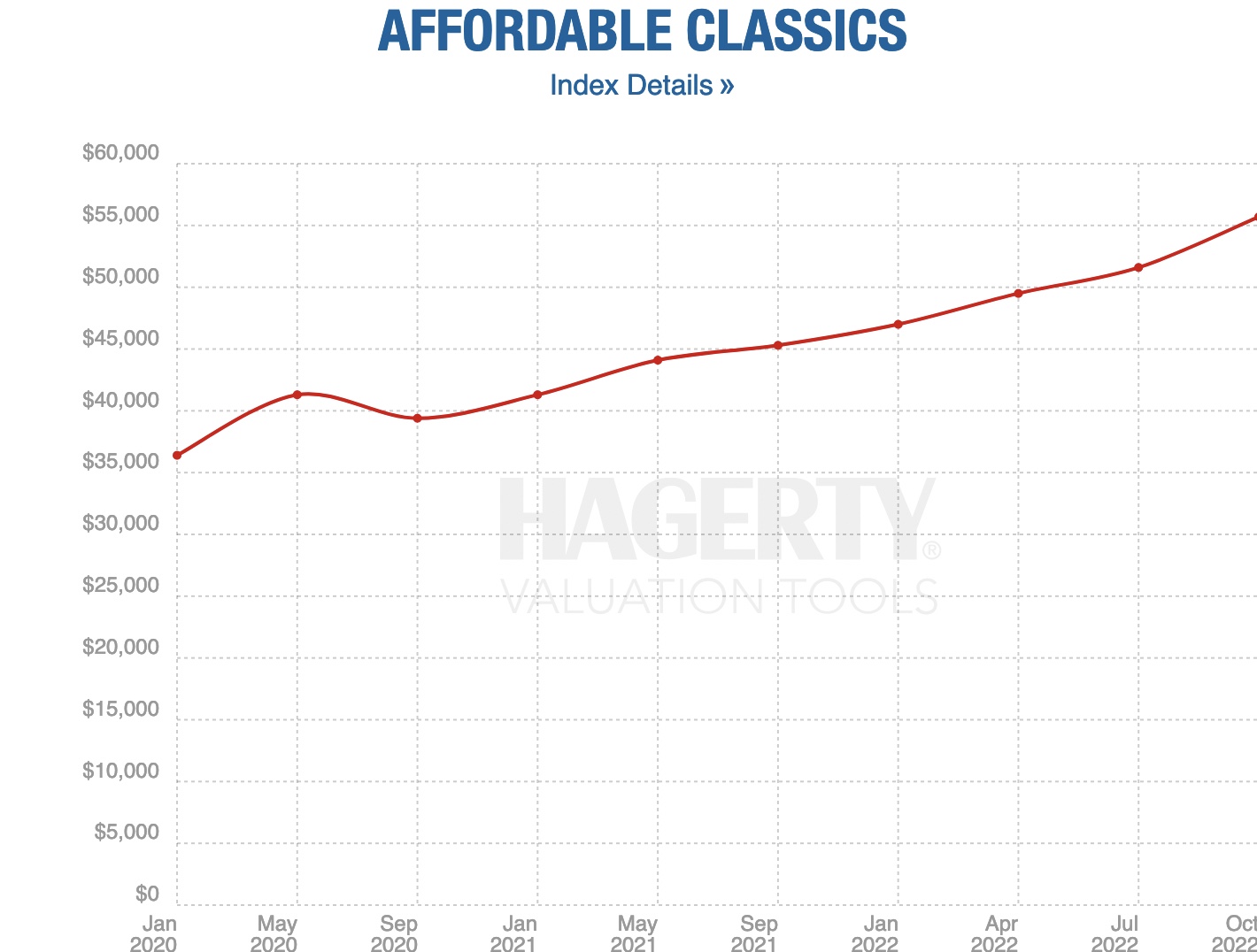
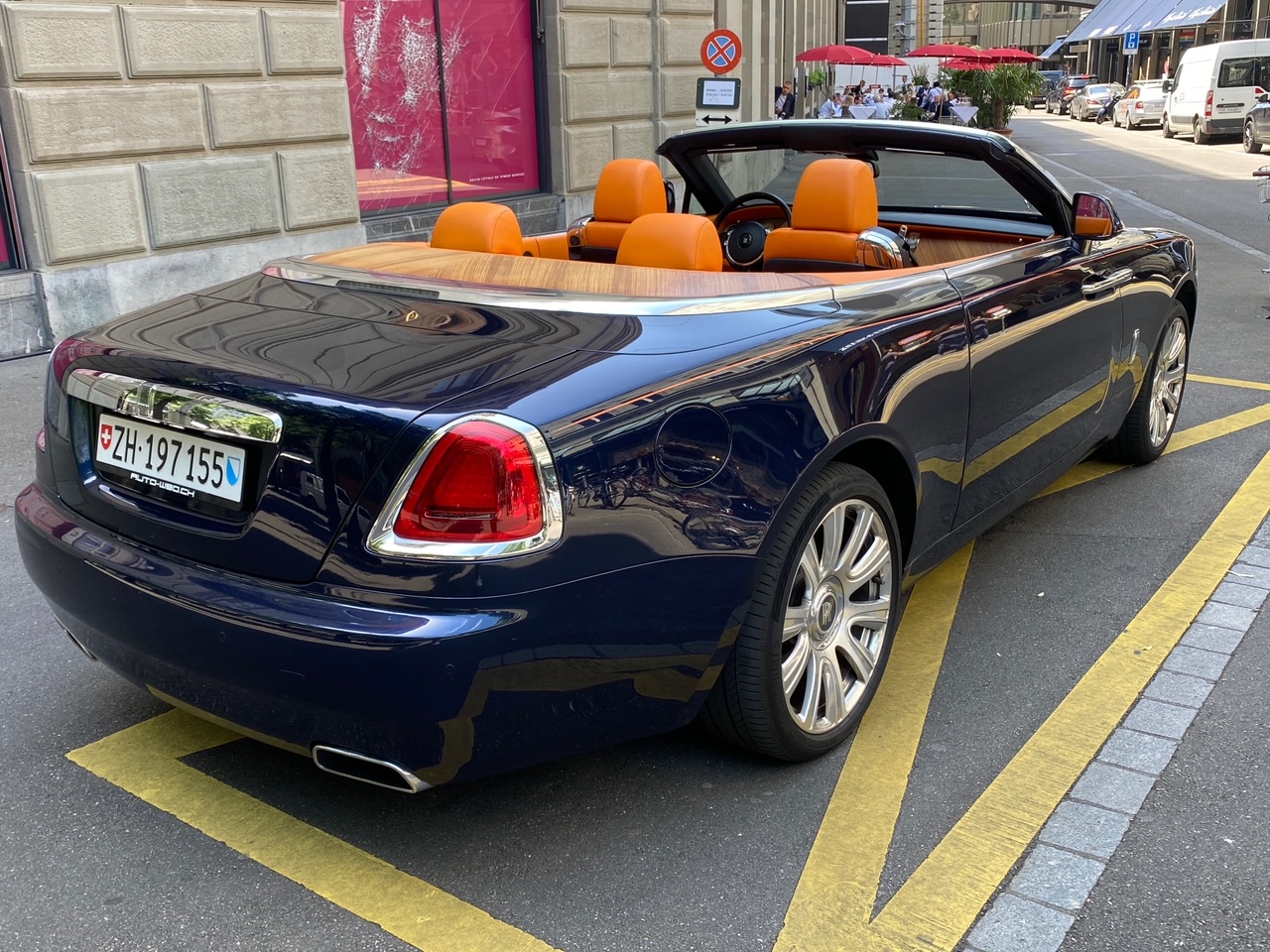
It’s furthermore no secret that in the whole era of zero interest rates which now seems to be behind us, if not for good then at least for quite a long time, classic and collectible cars outperformed most other types of collectibles, and never more so than when coming from the classic brands, i.e. the likes of Ferrari, Aston Martin and Porsche. In today’s world where talk of electrification is everywhere and every manufacturer has more or less advanced plans for a full range of EV’s, it’s easy to think that the big brands have their best days behind them, at least with regards to combusion engines. That my friends, is however completely wrong. Outside of headlines on EV’s and pastures green, the traditional luxury and sports car brands basically sell cars like never before.
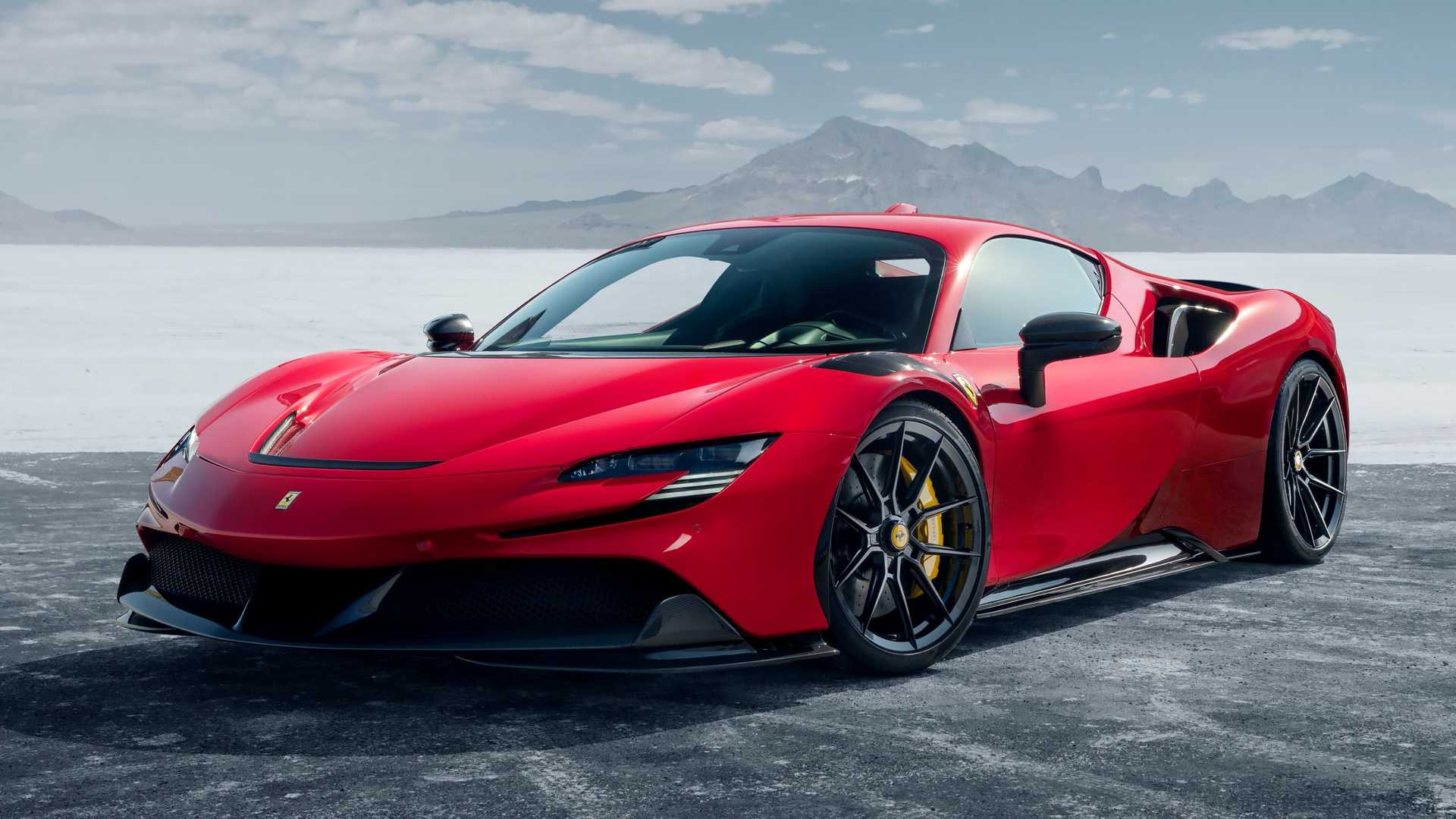
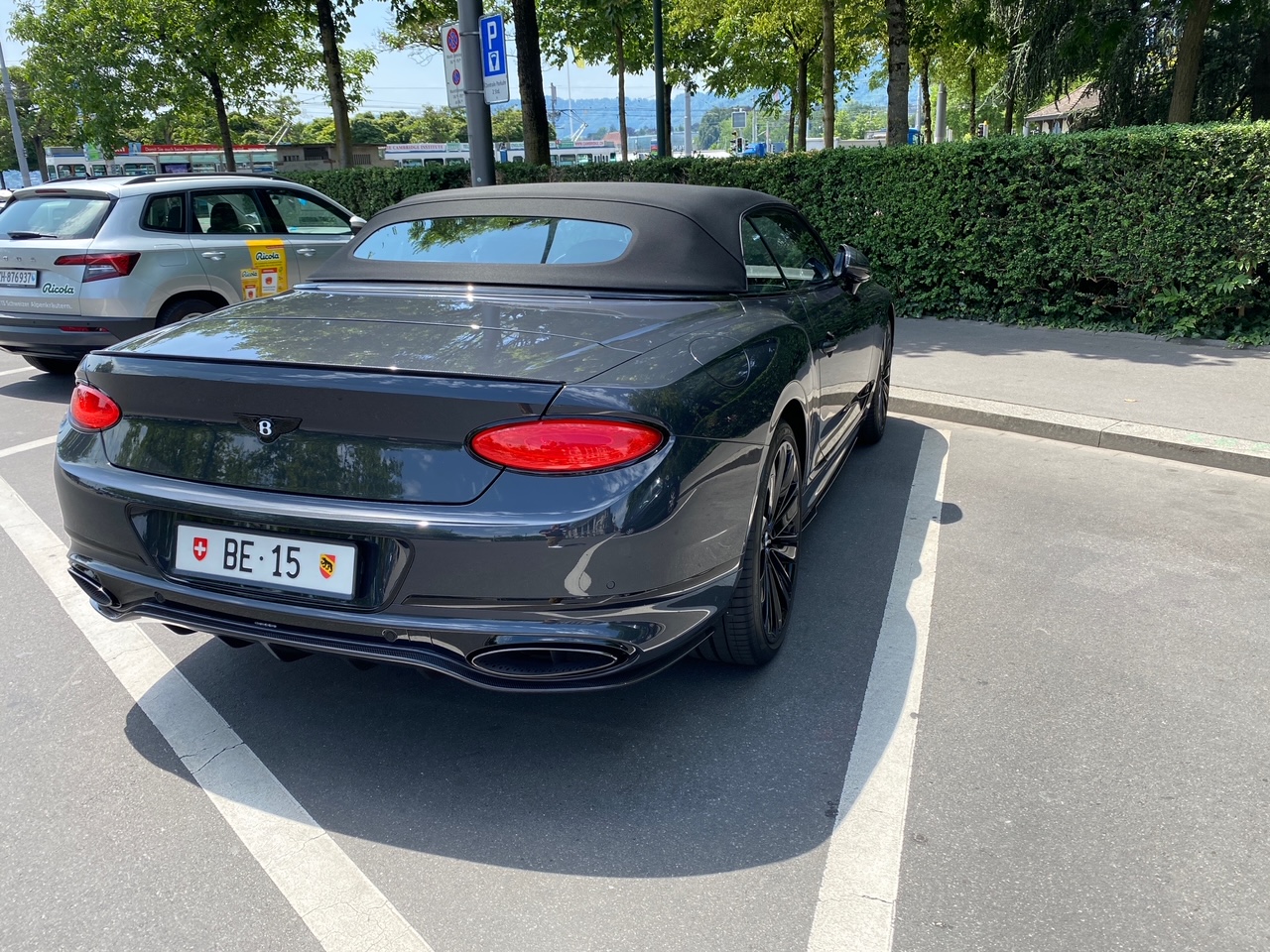
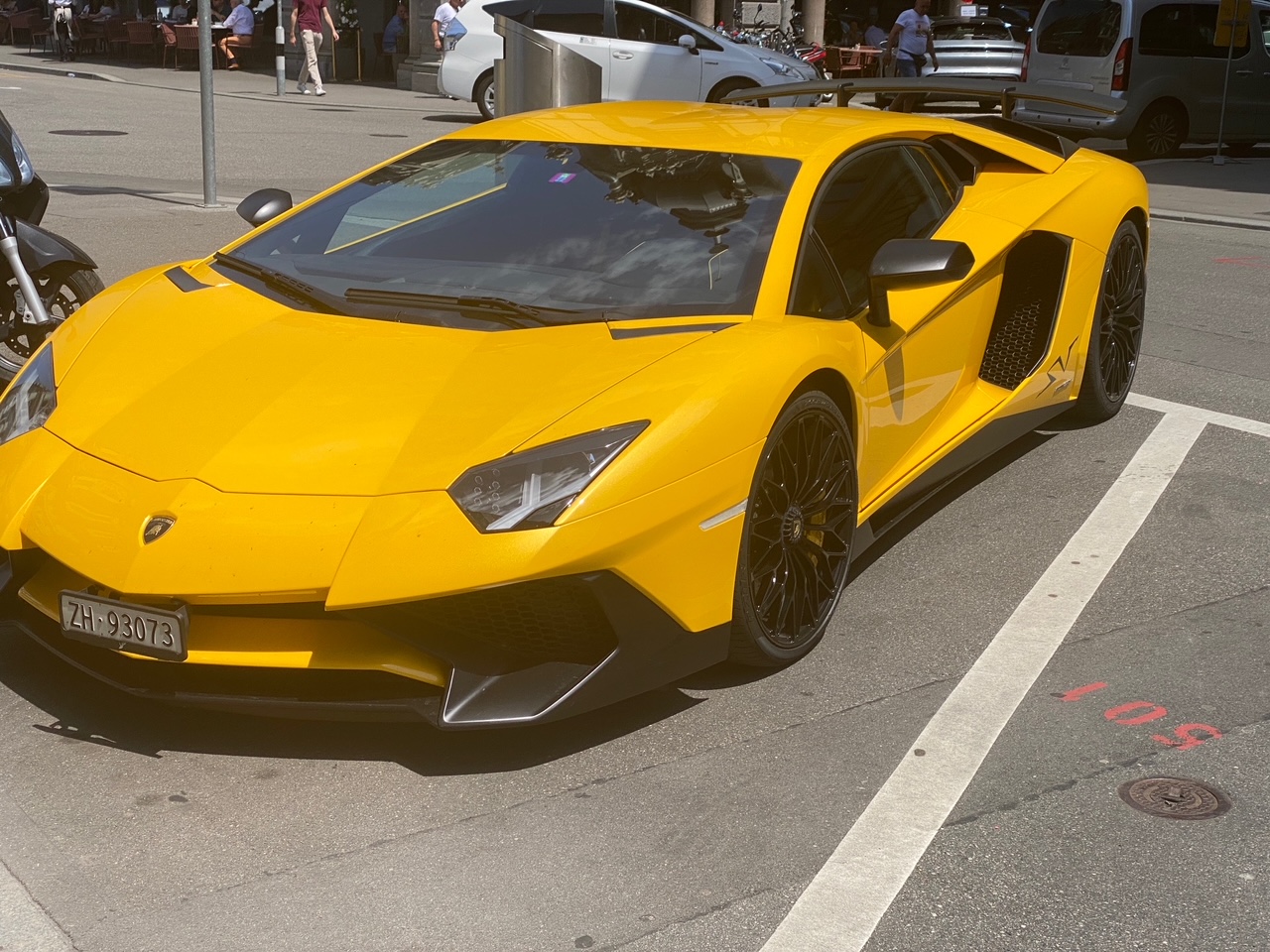
In August, Lamborghini’s CEO Stephan Winkelmann (nope, not very Italian) was quoted as saying that Lambo continued to see strong demand which at that point would keep production at full speed for the coming 18 months. He did so on the back of a very strong first half of 2022, where Lambo sold more than 5000 cars. That is still 1500 cars less than Ferrari who posted 6700 sold cars in the same period, 23% more than in the same period a year earlier. Bentley had its best year ever in 2021 and looks set to continue to grow in 2022. And so on. The contrast to mainstream manufacturers couldn’t be bigger, given these on average lost 10% in sales in the first six months of 2022. So what’s going on?
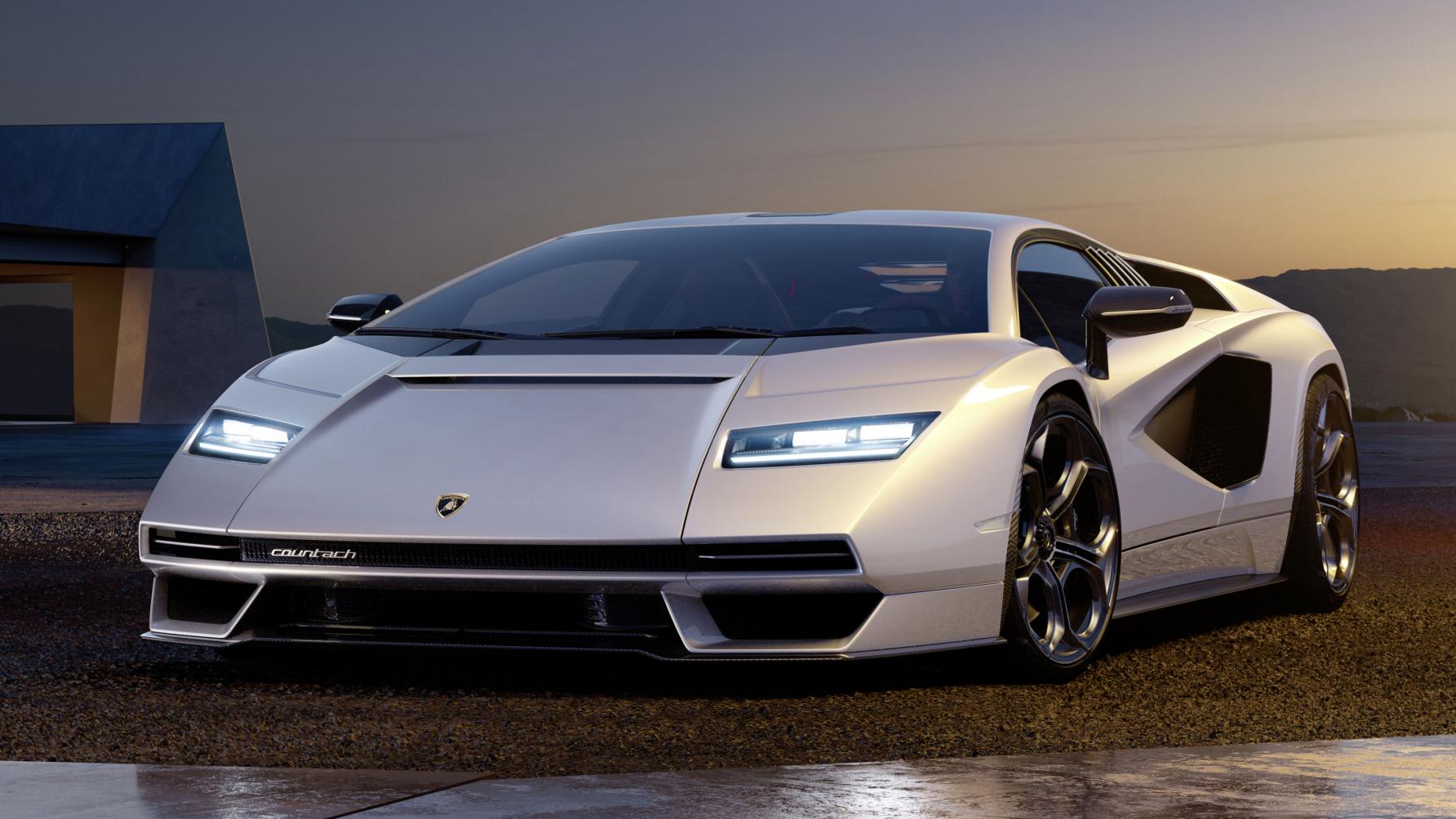
It’s no secret that most of those buying new cars of the likes of Ferrari and Bentley have enough money not to worry about petrol prices going up 10 or 20%. And the number of such people keep increasing. In a study from this summer, McKinsey estimates that the number of people with a fortune between USD 1-30m will in the next five years increase by around 30% in Europe, the US and China. The same study estimates that the market for cars costing more than USD 500′ will grow by 14% per year until 2031, and that for cars costing USD 150′-500′ by 10%. Normal cars? Well, if you believe McKinsey, the sub-USD 150′ market, meaning the cars that make up more than 95% of the total market will grow by a far more modest 1% p.a, in the coming years.
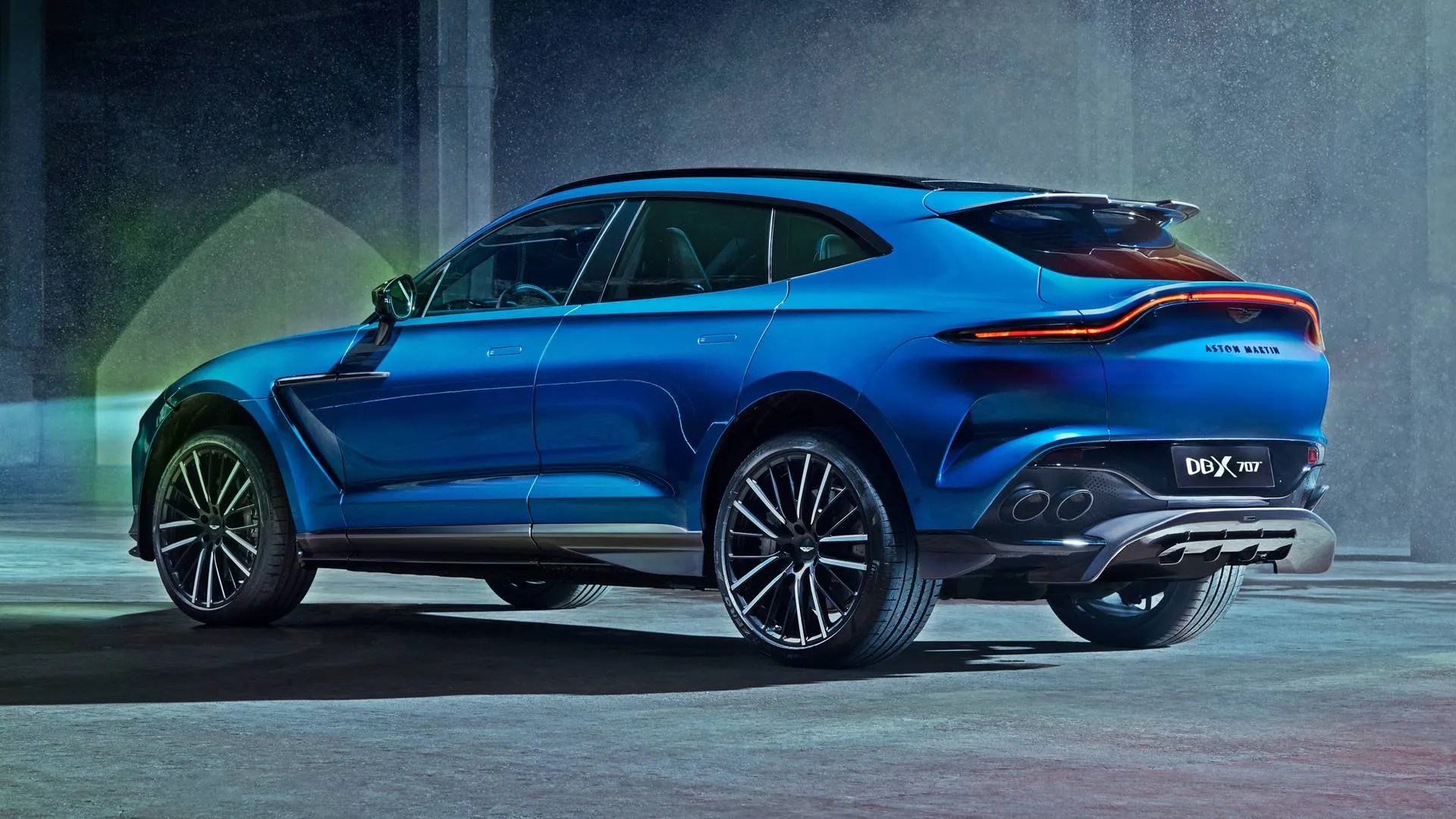
McKinsey don’t necessarily have more of a crystal ball than you and I, so just like with the Hagerty indices, such predictions should be taken with a pinch of salt. The fact is though that luxury manufacturers are selling cars like never before, and more sold cars obviously means more profit. Porsche and Ferrari are the shining stars, with Porsche growing its earnings by 17-18% this year and Ferrari currently making a profit of about EUR 100.000 on every car produced. That’s a number that is almost hard to believe. Porsche was listed as a separate company in Frankfurt in September this year, and is at the time of writing up more than 20% since then. Ferrari was listed in New York in 2015 and is since then up 360%, roughly 25% p.a. Aston Martin on the other hand has lost more than 80% of its value since listing in 2018, and it’s not looking any brighter going forward, at least not right now.
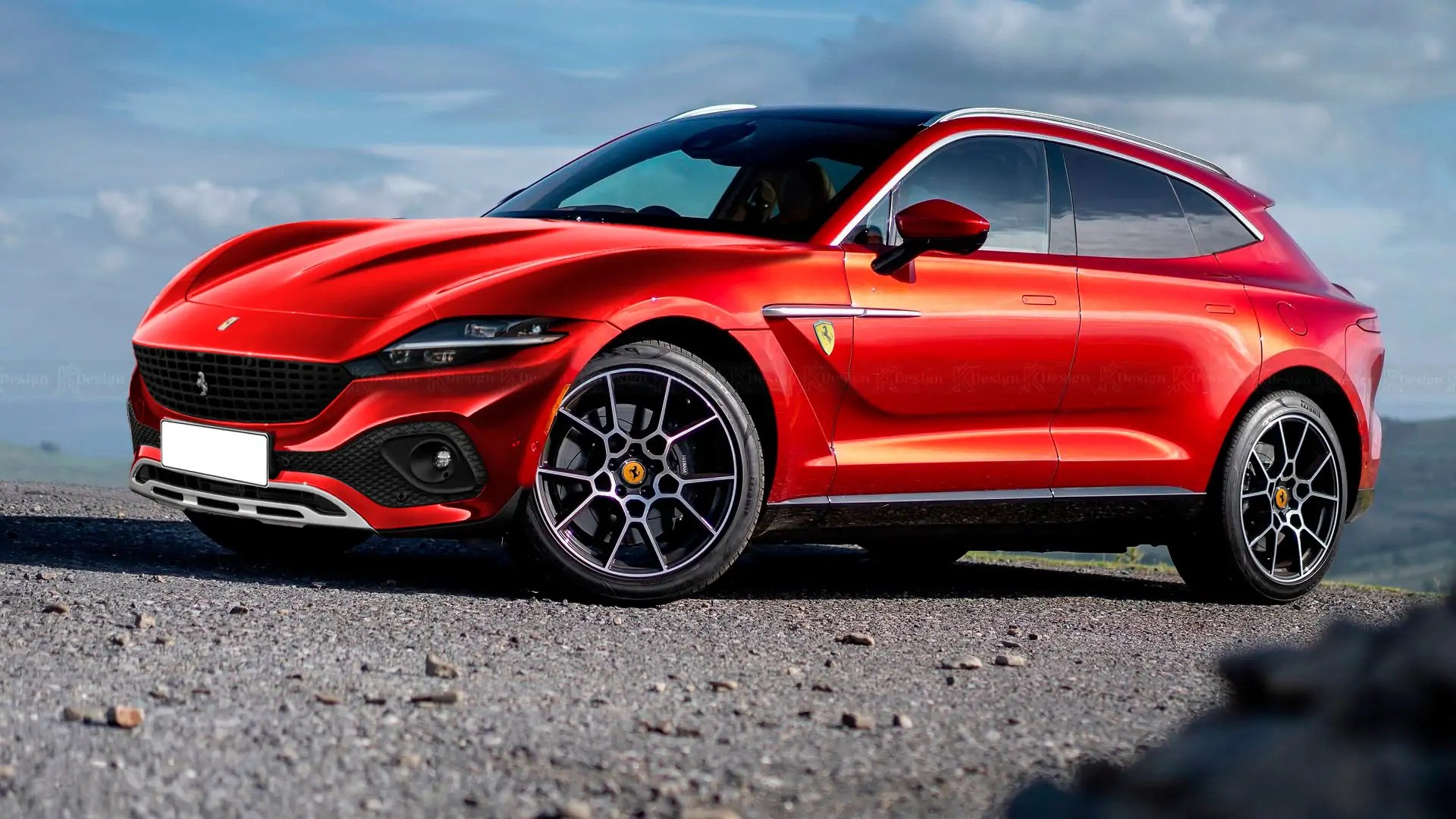
Where does this leave us? As I’ve written about in the last two weeks, I’m convinced that conventional cars will be with us longer than politicans currently estimate. And unless we have a really terrible depression when cars will be the least of our worries, there will be enough rich people to fill the order books of the world’s luxury car brands, especially since these are now present not only in the sports car segment. The Cayenne and Macan make up almost half of Porsche’s profit, and Ferrari will have even more cars to earn a lot of money on with the Purosangue coming next year. So whether its classic, collectible cars as investments or shares of listed luxury auto makers, it certainly looks like there’s worse places to put your money. That’s obviously not more than my personal opinion, and not any form of advice or recommendation. As always, time will tell!


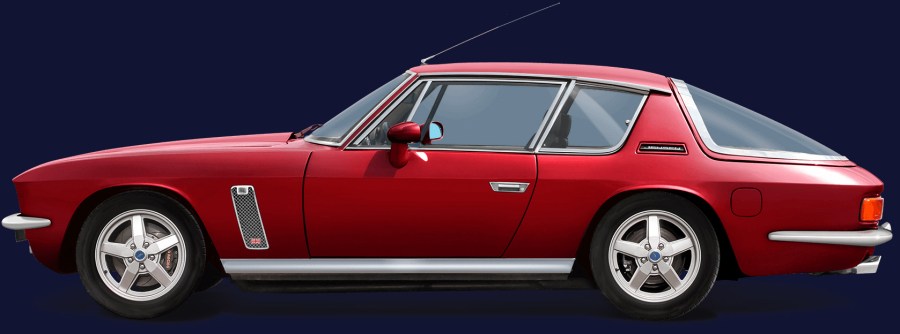
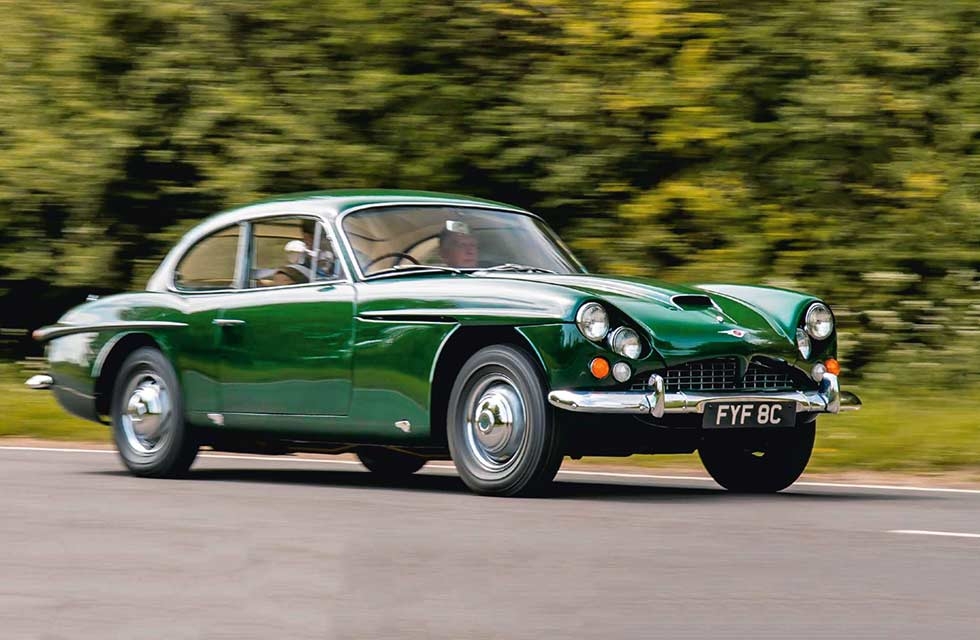 It was the search for a somewhat more successful car than the C-V8 that led to the Interceptor, Jensen’s by far most well-known car, presented in 1966. This time the design had been commissioned to the Italians at Carrozzeria Touring (another company that would go bust a few years later) and although certainly more convincing than the C-V8, it was definitely still quite original. The front looked like many sports car in the day, the rear which in the UK became known as the “fish bowl”, is rather reminiscent of the 70’s AMC Pacer (which was of course designed after the Interceptor). If the exterior isn’t to everyone’s taste the interior is much more so, with a selection and quality of materials that led to the Interceptor being compared to high-end brands such as Aston Martin, Bristol or even Rolls-Royce.
 We’ll make a quick pit stop here for a small side story that I find a wonderful illustration of Jensen and British car industry of the time. Jensen in parallel to the Interceptor built another model referred to as the FF. That’s actually a historic car as it was the first non-SUV passenger car with four-wheel drive, and thus highly innovative for its time. Neither in the 60’s nor now however does it snow a lot in the UK so if you build a four-wheel drive car close to Birmingham, you have to assume it was also intended for exports. All good so far. It’s just that no one in the Jensen factory apparently thought about the fact that most of the world outside of the UK by now had the steering wheel on the left side. So the FF only came as right-hand drive. Let’s just say it wasn’t a tremendous recipe for export success…
Back to the Interceptor, which during the 10-year production came in three series with only subtle design differences between them but where the MK III was by far the most produced. The MK III also came with three different bodies: the most common “glass bowl” saloon, the much rarer and arguably better-looking convertible, and the ultra-rare coupé with a plexiglass rear. All three series had Chrysler big block V8’s and 3-speed automatic transmissions, but whereas the first two shared the same 6.3 litre, 325 hp V8 as the predecessor C-V8, the MK III had an even bigger, 7.2 litre engine, however at 285 hp with less power. This all had to do with the new US emission rules that limited the power of large engines quite heavily. Not only was the 7.2 litre engine less powerful, it was of course also heavier, and just a tad thirstier: apparently we’re talking 25-30 litres per 100 km (8-10 MPG) …
We’ll make a quick pit stop here for a small side story that I find a wonderful illustration of Jensen and British car industry of the time. Jensen in parallel to the Interceptor built another model referred to as the FF. That’s actually a historic car as it was the first non-SUV passenger car with four-wheel drive, and thus highly innovative for its time. Neither in the 60’s nor now however does it snow a lot in the UK so if you build a four-wheel drive car close to Birmingham, you have to assume it was also intended for exports. All good so far. It’s just that no one in the Jensen factory apparently thought about the fact that most of the world outside of the UK by now had the steering wheel on the left side. So the FF only came as right-hand drive. Let’s just say it wasn’t a tremendous recipe for export success…
Back to the Interceptor, which during the 10-year production came in three series with only subtle design differences between them but where the MK III was by far the most produced. The MK III also came with three different bodies: the most common “glass bowl” saloon, the much rarer and arguably better-looking convertible, and the ultra-rare coupé with a plexiglass rear. All three series had Chrysler big block V8’s and 3-speed automatic transmissions, but whereas the first two shared the same 6.3 litre, 325 hp V8 as the predecessor C-V8, the MK III had an even bigger, 7.2 litre engine, however at 285 hp with less power. This all had to do with the new US emission rules that limited the power of large engines quite heavily. Not only was the 7.2 litre engine less powerful, it was of course also heavier, and just a tad thirstier: apparently we’re talking 25-30 litres per 100 km (8-10 MPG) …
 The convertible version of the Interceptor was presented in 1974 and is another example of Jensen’s risk-willingness or complete ignorance of the world beyond the UK, depending on how you see it. At this time most other brands were halting the development of new convertibles altogether, as it was widely expected that US safety authorities would enact a complete ban on open cars without roll-over bar. So Jensen was basically the only brand brave or foolish enough to launch a new convertible in this period. They were ultimately right given a ban was never enacted but they were kind of wrong anyway, since the whole company went bust only two years later, in 1976. By then they had produced about 500 convertibles, out of a total of some 6400 Interceptors.
 Although the big block Chrysler engines were quite bullet proof, the fact that they all had carburettors and lots of them, didn’t make them any easier to run or service. The carburettors had to be adjusted frequently for optimal performance, apparently up to as often as every 1000-2000 km. Cooling was another issue Interceptors were known to struggle with and then there was of course the same issue as with all other cars in the 70’s – rust. You can certainly convert the engines to injection and upgrade the cooling system, an idea that some won’t like at all given the car is then no longer original. It will however be far more drivable, and thus possibly a solution for those preferring to spend time on the road rather than in the garage.
Cooling and carburettors aside, the Interceptor is known as quite a wonderful GT car, offering loads of 70’s luxury and charm typically for far less money than a comparable Aston or Rolls (who as we all know also tend to have an issue or two…). There aren’t many in the market which makes pricing uncertain, but good saloons tend to start somewhere around EUR 50′ with convertibles costing much more. If this wonderful example of British ingenuity combined with a dinosaur-engine of a type will certainly never see again, then please make sure that if you’re not mechanically talented, you know someone who is, and go for a car as perfect as possible, as finding replacement parts for an Interceptor risks being as hard as finding a UK prime minister who will stay longer than a few months!
Although the big block Chrysler engines were quite bullet proof, the fact that they all had carburettors and lots of them, didn’t make them any easier to run or service. The carburettors had to be adjusted frequently for optimal performance, apparently up to as often as every 1000-2000 km. Cooling was another issue Interceptors were known to struggle with and then there was of course the same issue as with all other cars in the 70’s – rust. You can certainly convert the engines to injection and upgrade the cooling system, an idea that some won’t like at all given the car is then no longer original. It will however be far more drivable, and thus possibly a solution for those preferring to spend time on the road rather than in the garage.
Cooling and carburettors aside, the Interceptor is known as quite a wonderful GT car, offering loads of 70’s luxury and charm typically for far less money than a comparable Aston or Rolls (who as we all know also tend to have an issue or two…). There aren’t many in the market which makes pricing uncertain, but good saloons tend to start somewhere around EUR 50′ with convertibles costing much more. If this wonderful example of British ingenuity combined with a dinosaur-engine of a type will certainly never see again, then please make sure that if you’re not mechanically talented, you know someone who is, and go for a car as perfect as possible, as finding replacement parts for an Interceptor risks being as hard as finding a UK prime minister who will stay longer than a few months!































 The Thrill of Driving