It’s been a while since we did a roundup of news from the car world, which isn’t because there hasn’t been any, on the contrary, rather because there have been other things to write about. There’s of course a lot happening that you could theoretically write about all the time, but a few more specific things happened this week, making me think it’s high time to provide you with a very arbitrary selection of the most important recent news from all our favourite pasttime. Let’s dig in!
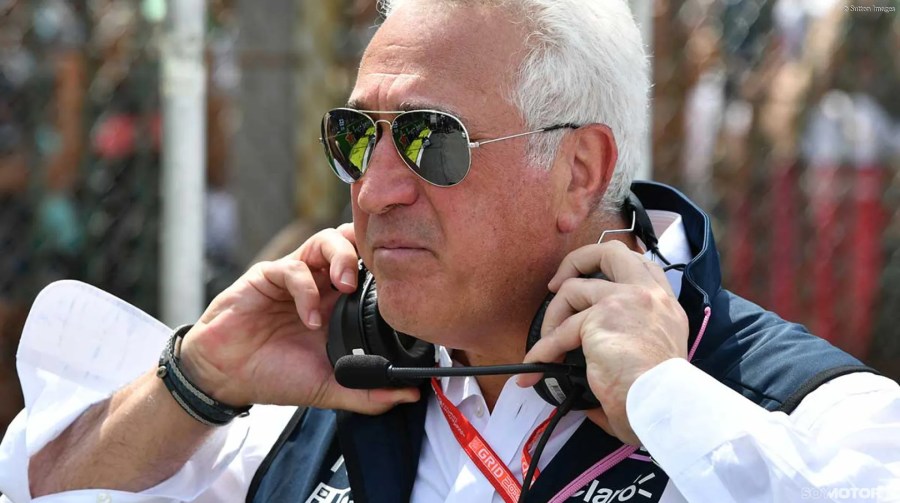
To start of on a positive note, Aston Martin‘s owner Lawrence Stroll, pictured above in his usual, low-key style, apparently let the Aston team know in no uncertain words that the new DB12, expected next year, was a tad too expensive to feature a 10-year old infotainment system from Mercedes. This was of course the case both in the DB11 and in the DBX, as I wrote about back in Oct -21. I don’t think Lawrence reads this blog but if he would, then there’s a small chance both the DB11 and DBX are, by any objective measure.

Given Aston sources not only the outdated infotainment unit but also the even more important engine from Mercedes/AMG, Lawrence’s hope was probably to get his hands on the MBUX system, but that didn’t happen. Instead therefore, Aston have developed their own system, which according to the first test drives is a pretty laggy thing, quite a bit off the MBUX or BMW’s latest unit. So getting better, but still not there. The DB12 does look very promising though, more on that next year. And for those not interested in infotainment but rather in driving, expect quickly deteriorating second-hand prices on the DB11!
You may have seen that the DB12 will no longer feature a V12, in spite of its name, but only an AMG V8. That’s however plenty compared to what Mercedes have put in their new E63. This is a theme I’m sensitive about, having owned, and on a day where the starts really didn’t align, sold, an E63 2014 with the fantastic, bi-turbo V8. The E63’s before and after have until now all had V8’s, but the new one doesn’t. Neither does it have a V6. It has precisely four cylinders, combined to an electric engine. One of the most legendary four-door power cars out there has become a four-cylinder hybrid…
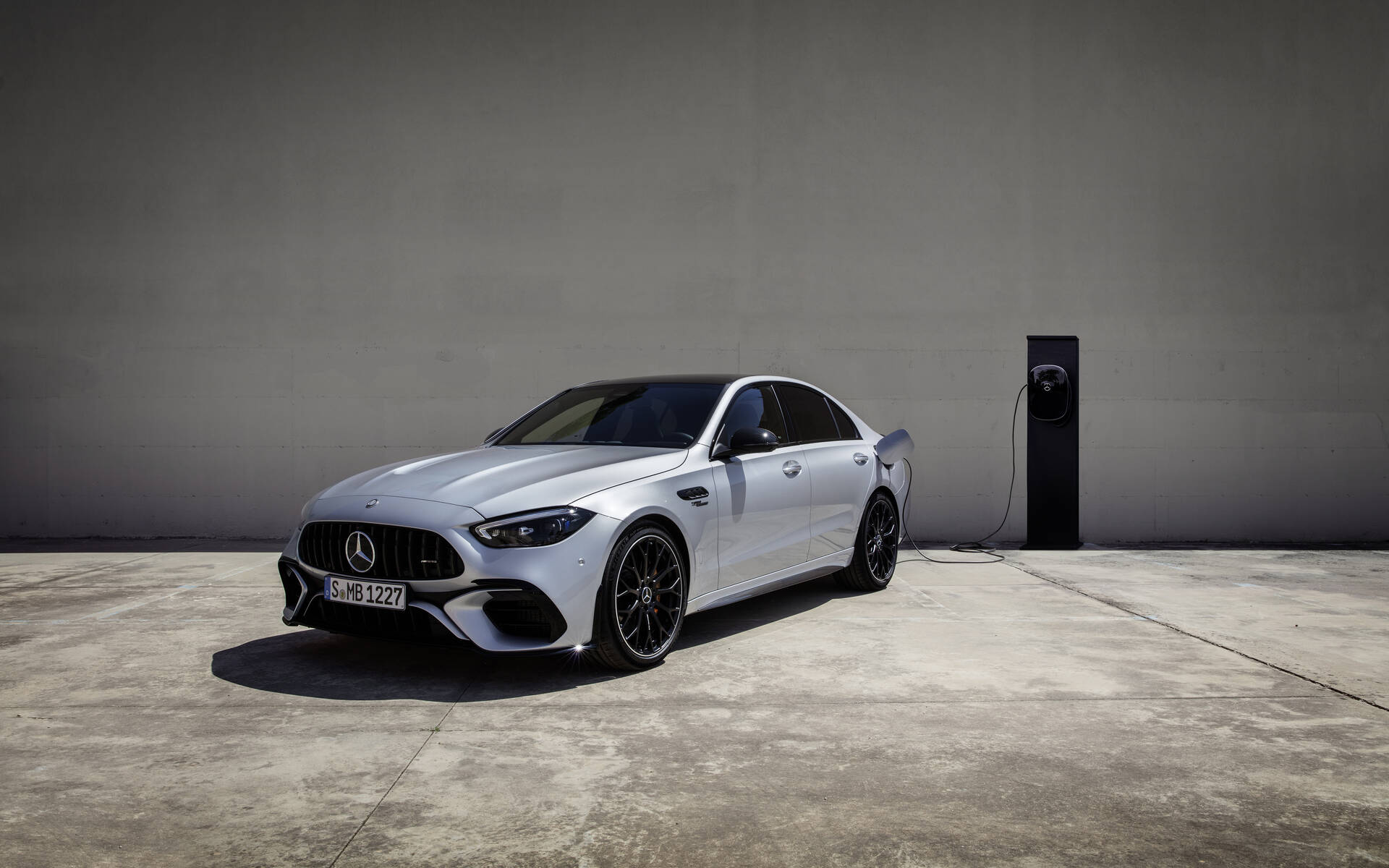
That could theoretically have been fine even if it’s a lot to take in. Some hybrids work great though, such as the V60 Polestar that I drove the other week. It didn’t convince me but it wasn’t the fault of the hybrid solution. Trouble is, again according to early reports, the rest of the new E63 isn’t that great either, especially the chassis, which obviously makes the whole thing totally unacceptable. No one, I repeat no one, ever asked for a hybrid E63, so why on earth did they build it? If Mercedes finds that eight cylinders doesn’t go down well with the electrification strategy they’ve chosen, then just don’t build any more E63’s. I wouldn’t be surprised if demand for previous V8 ones picks up though!
Otherwise the world’s electrification journey rolls on, with Tesla setting new records in sales numbers, shipping close to half a million cars in the first quarter. The stock is up more than 100% so far this year, so great for shareholders – so far. However, Tesla must also have set a new record in terms of various types of discounts both in the US and elsewhere so as always with Elon’s companies, how much they’re actually earning is rather difficult to figure out. That goes for Rivian as well by the way. The company that didn’t even build 50.000 cars last year still spent roughly as much money as Tesla in the first quarter, namely around USD 6.5bn. They claim bottle necks in production are now behind them and that’d better be the case if Rivian wants to survive in the far less favourable financing environment we’re now in. The target for this year is 50.000 cars, and we’ll see if they get there.

Interestingly, Toyota continues to refuse getting in line with everyone else, instead digging in to their hybrid technology. That earns them lots of bashing from the green lobby who are as bad as doing the maths here as when it comes to counting emissions from battery production. Toyota on the other hand remain as calm as Mount Fuji, simply stating that in total, hybrids achieve greater emission reductions than trying to supply the whole world with EV’s does. I haven’t verified their numbers but my intuition, combined with the fact that they are after all not only the world’s second largest company, but also Japanese, tells me they’re right.
Toyota also came out with another piece of news recently, namely that they expect to put solid state batteries into production in five years. Don’t focus too closely on that number since they’ve promised that before, but clearly, the solid state technology is making progress. In practical numbers in the case of Toyota, this means an indicative range of 1200 km for much less battery weight and only 10 minutes of charging. As discussed back in January 2021, solid state batteries would be a true revolution, but we’ll see when we get there. When I wrote that piece I said three-four years, which obviously was too optimistic. Sometime around 2030 is perhaps a realistic target.
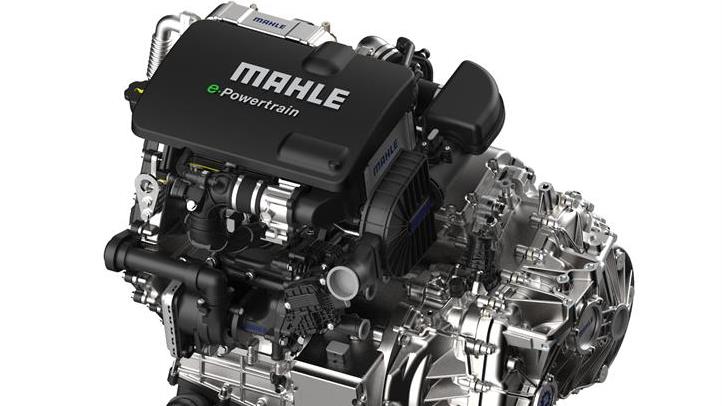
Solid state batteries are better than the current lithium ion ones, but they’re not without issues, meaning metals. Which is why a piece of news from Germany this week caught my eye. The German engine building company Mahle, that I had never heard about, is developing a new type of electrical engine that not only promises to be even more efficient than current ones, but in addition, does without any metals. It’s called the Magnet-free Contactless Transmitter (MCT) and as the name suggests, works without magnets. They’re replaced by an electricity-induced tension field, and the energy then flows inductively, reducing frictions and thereby energy loss as well as wear and tear. The technology has apparently already been proven to work in various prototypes.
Mahle is currently in talks with several manufacturers, targeting to make the engine ready for mass production in three-four years. This is a fantastic example not only of how to develop batteries, but also how it has always been, and always will be, innovation that leads the world forward. We’ll see if it’s Mahle’s technology, alternative fuels or something else that becomes the new standard at the end of the day. I remain convinced that it will not be EV’s as we currently know them. Until we’re certain, it’s difficult to find a more compelling proposition than an Aston DB11 with a V12, even with an aged infotainment!
 The Thrill of Driving
Pingback: Toyota RAV-4 hybrid – Hope – The pit lane
Thanks for mentioning me, much appreciated, and glad we share views!
Pingback: The sand pile is crumbling – The Thrill of Driving