A few weeks ago as I was having lunch with some long-term friends, someone came up with the idea of counting the number of cars we’ve owned in our lives. Before I was through with the first 10 years the others were done, all ending up with a total of 4 to 10. When I was finished, considerably later, having texted my wife in between to check if there wasn’t one car I forgot between the Audi and the Alfa, my total was 22. Then again, I’m the only one in the group writing a car blog.,.
Since then 22 have become 23, and I don’t think I’m exaggerating if I tell you that number 23 has been more of a revelation than most of the previous 22. Except for a couple of emergency cars bought for short term needs through the years, it’s also the first time I buy a significantly older car than the previous one – and definitely the first time I buy a GT coupe with four, or rather five doors!
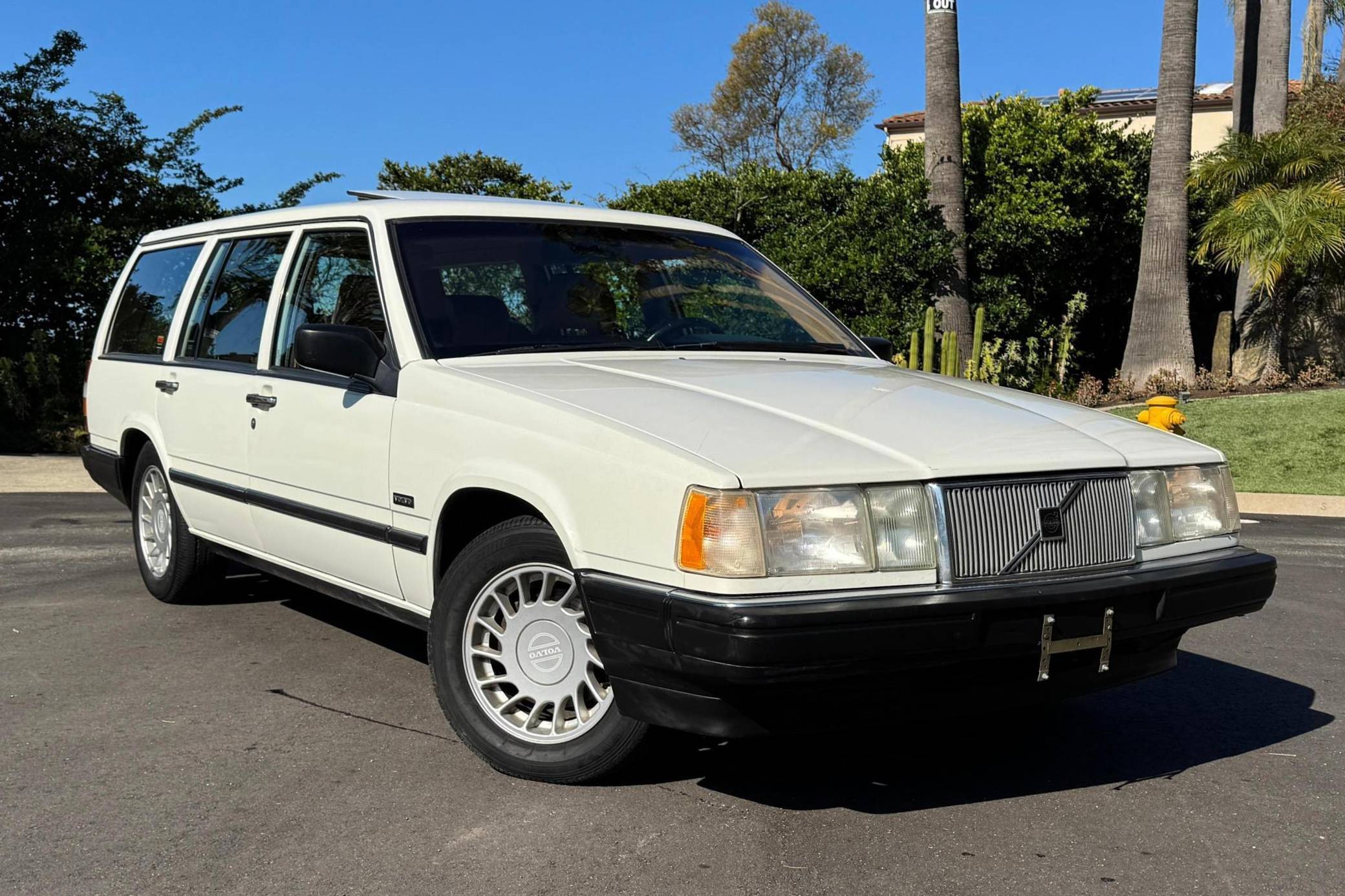
As those who’ve followed the blog for a while know, I had my eyes set on a great GT to take me and Ms. D down to our place in southern France in style, now that a family station wagon is no longer needed. Many of the candidates have been featured on this blog, and the fact that they’re from the 2010’s rather than the 2020’s if of course no coincidence. To me, that corresponds pretty much to the peak car period for daily drivers. Modern enough to have everything you need, but not computers on wheels.
Anyway, Ms. D in her infinite wisdom reminded me that we have two dogs (cairn terriers for those with an interest) who travel in two dog carriers which are fixated in the back seat. In her view, getting them in and out is far easier with four doors than two. And as for luggage, was I really sure that whatever GT I had in mind had enough luggage space?
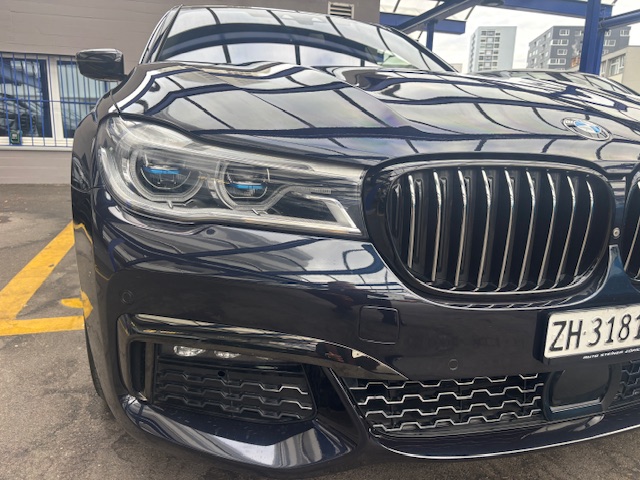
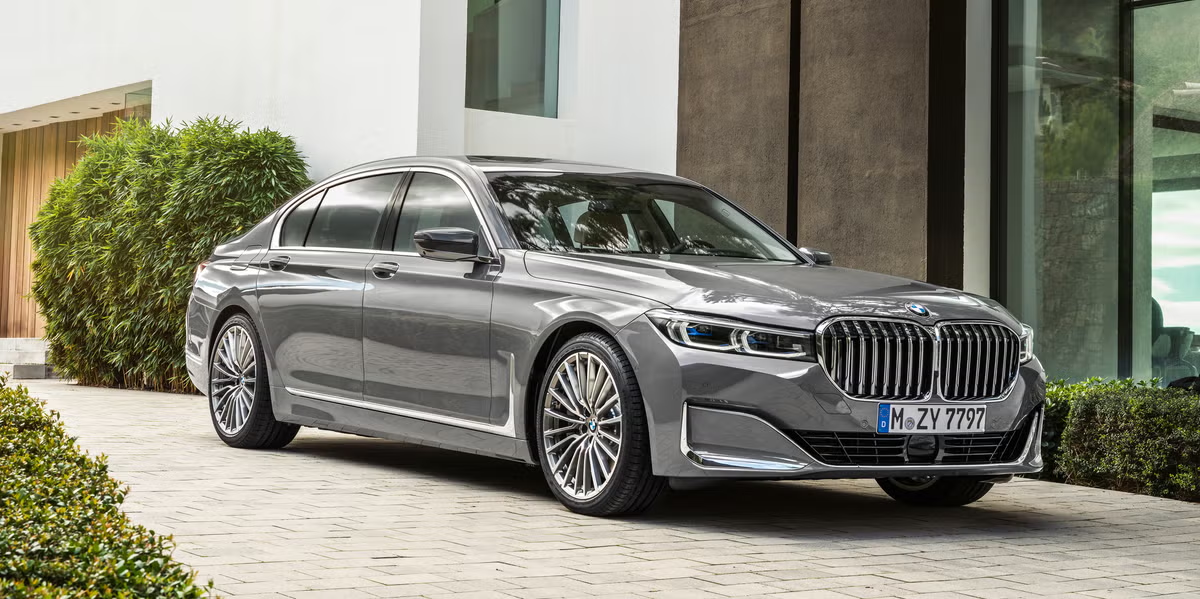
I knew where this would end. Of course she’d let me buy whatever car I wanted, it’s just that she wouldn’t drive it afterwards. Which makes it a bit of an awkward situation, especially if you’re away from home. So yes, female – and canine – extortion at its best. The problem of course is that she wasn’t wrong. My son came by and asked why I had sold the BMW, which he thought was an excellent car. Aren’t GT’s really for old people? he said.

This was getting ridiculous. Am I the only man in the world who needs to drive around in a station wagon for everyone to be happy? Was there anything out there that would satisfy both me and my fellow passengers?
Getting a sedan wouldn’t really be any sportier than a station wagon. Replacing the BMW with an SUV didn’t make much sense either. And then, it hit me. There was, a few years ago, a car that was everything at the same time. Coupe, sedan and station wagon. And as I remembered it, because it was a while since I had seen one, it really looked the piece. Enter the fabulous Mercedes-Benz CLS Shooting Brake!
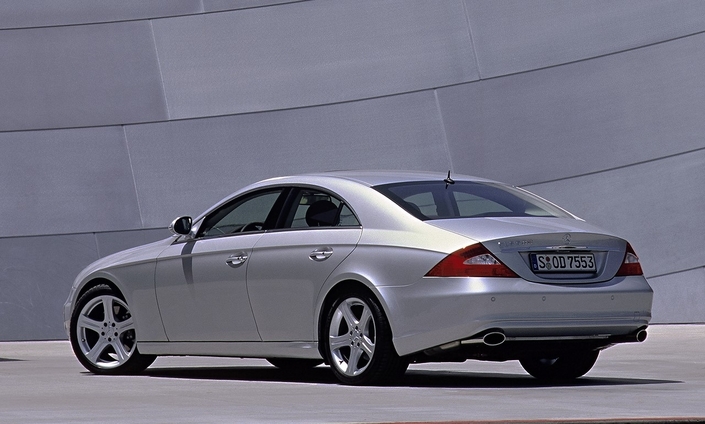
It was in 2004 that Mercedes showed the first CLS to the world, a car that looked like one of those style studies that usually don’t make it to production. It was positioned between the E- and S-class as the car for people who could afford not to buy the most practical four doors out there. In 2011 it was replaced by a heavily updated and better Mk 2, and the sedan was now complemented by the so called Shooting Brake, a stylish wagon built between 2012-2018 but only making up 20% of the total CLS production, and never sold in the US. To me, it’s always been one of the best looking cars out there.
If Ms. D was going to get her two extra doors I was getting a V8, which anyway is the engine of choice for a grand tourer. That left two versions of the CLS to consider, the CLS 500 and the CLS 63 AMG. But having owned an E63 AMG, I remember it well as a car which, as great as it is, is a bit too sporty for the intended use. The 500 with its wonderful, bi-turbo, 4.7 litre V8 putting out around 410 hp and well known from other Mercs, seemed like the clear sweet spot in the range.
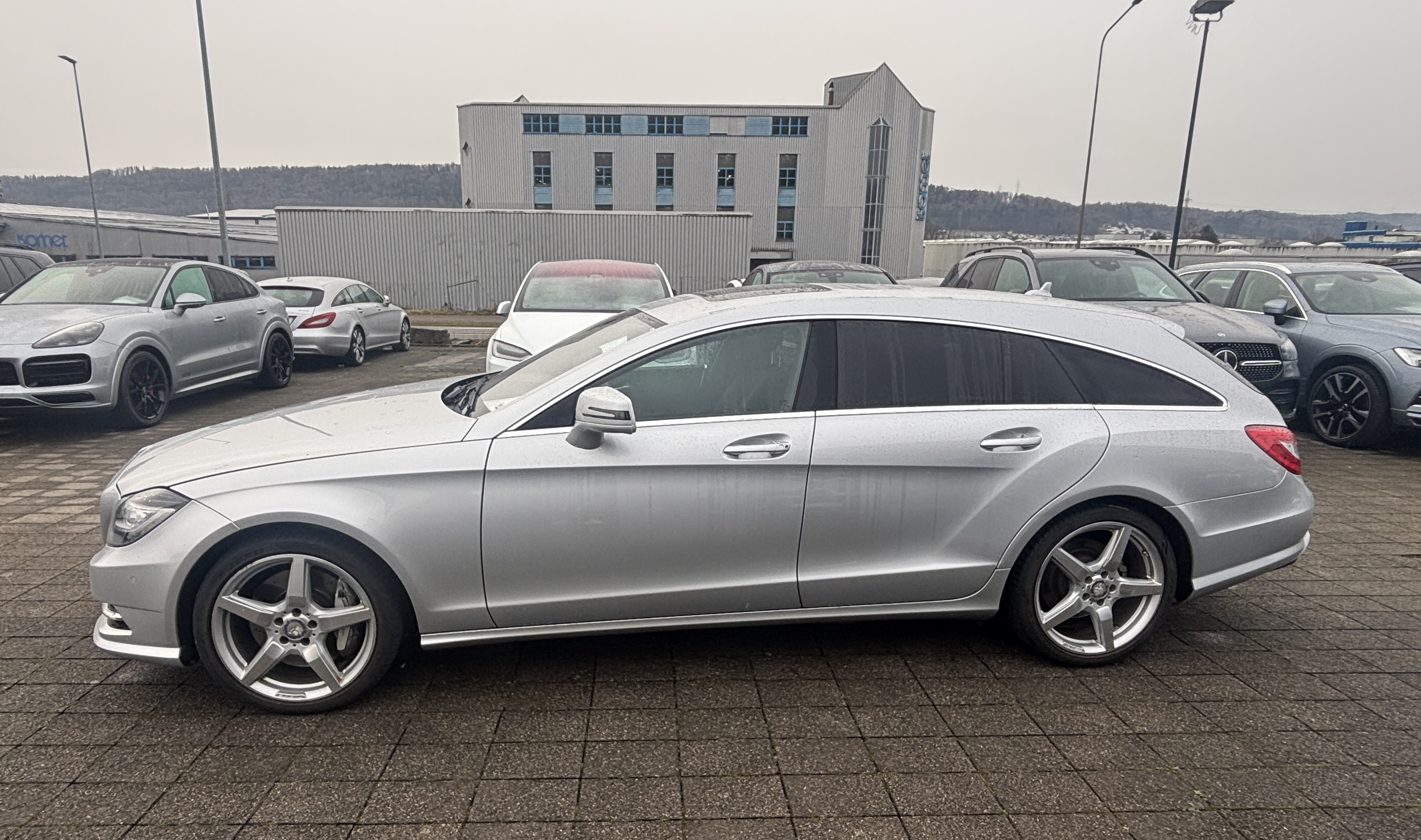
As said, not many Shooting Brakes were built. In the 5-litre version, production dind’t exceed 3-4.000 cars globally over the whole production cycle, meaning that finding one wouldn’t be easy. These things are rare, which is of course also part of the attraction. And then I saw it. A 2014 500 CLS Shooting Brake with 100′ km on the clock, almost fully optioned, and said to be in pristine condition, at a good garage close to Zurich.
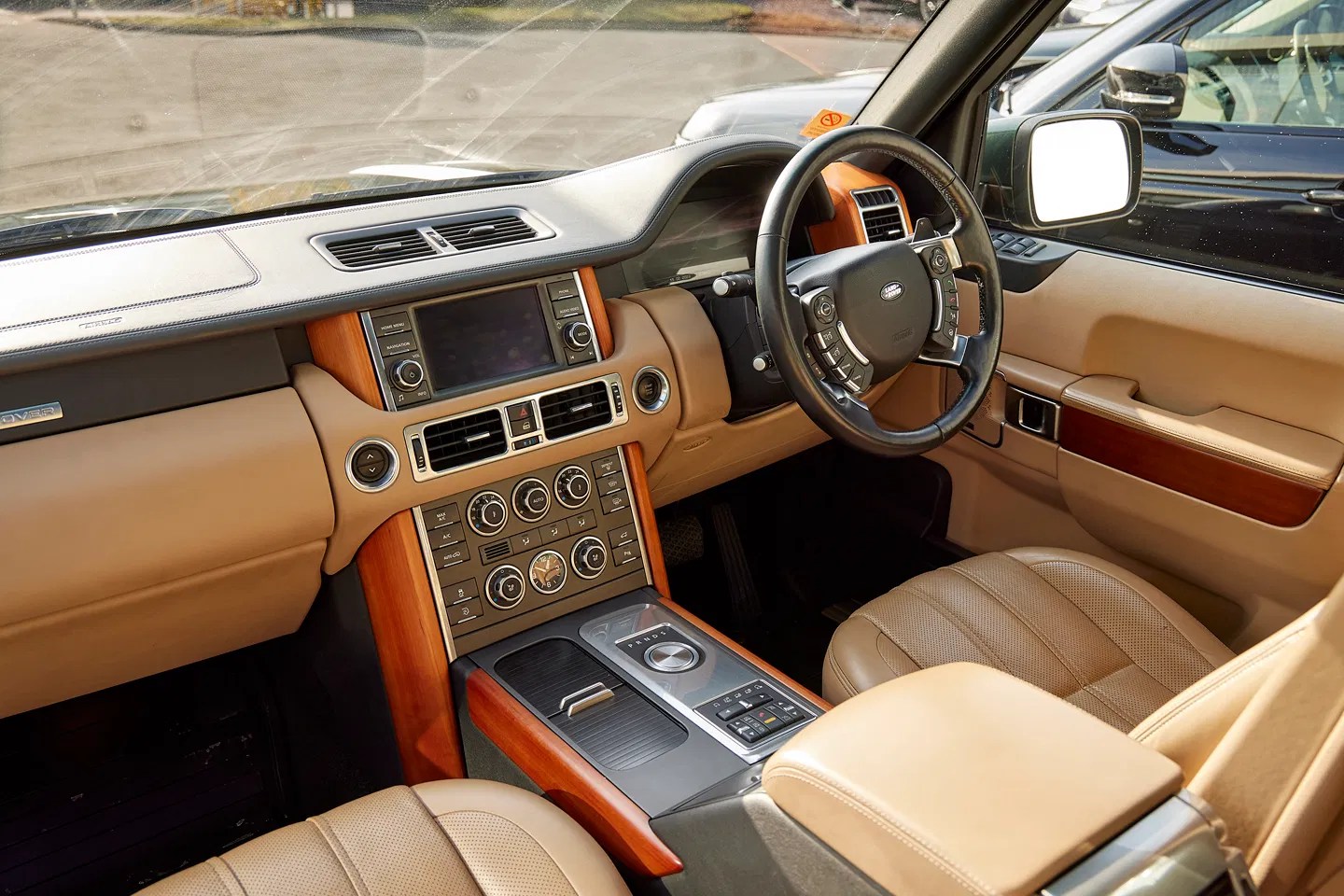
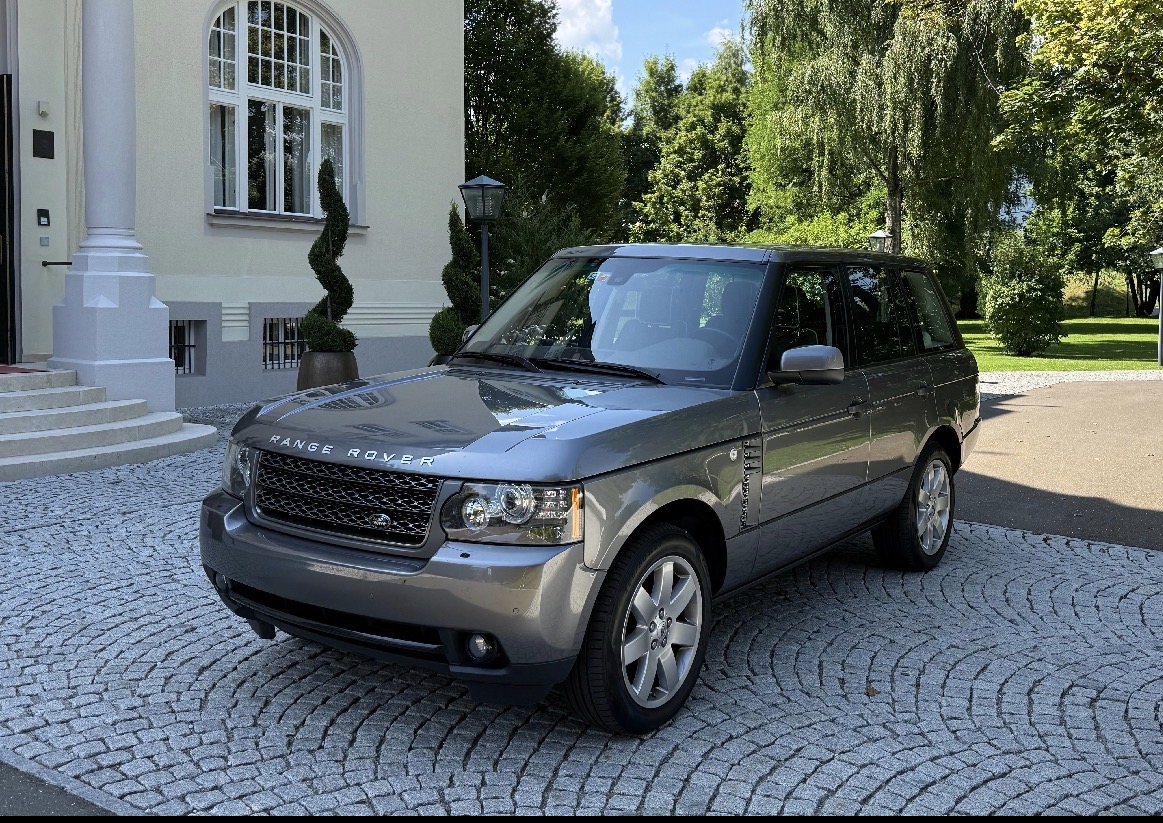
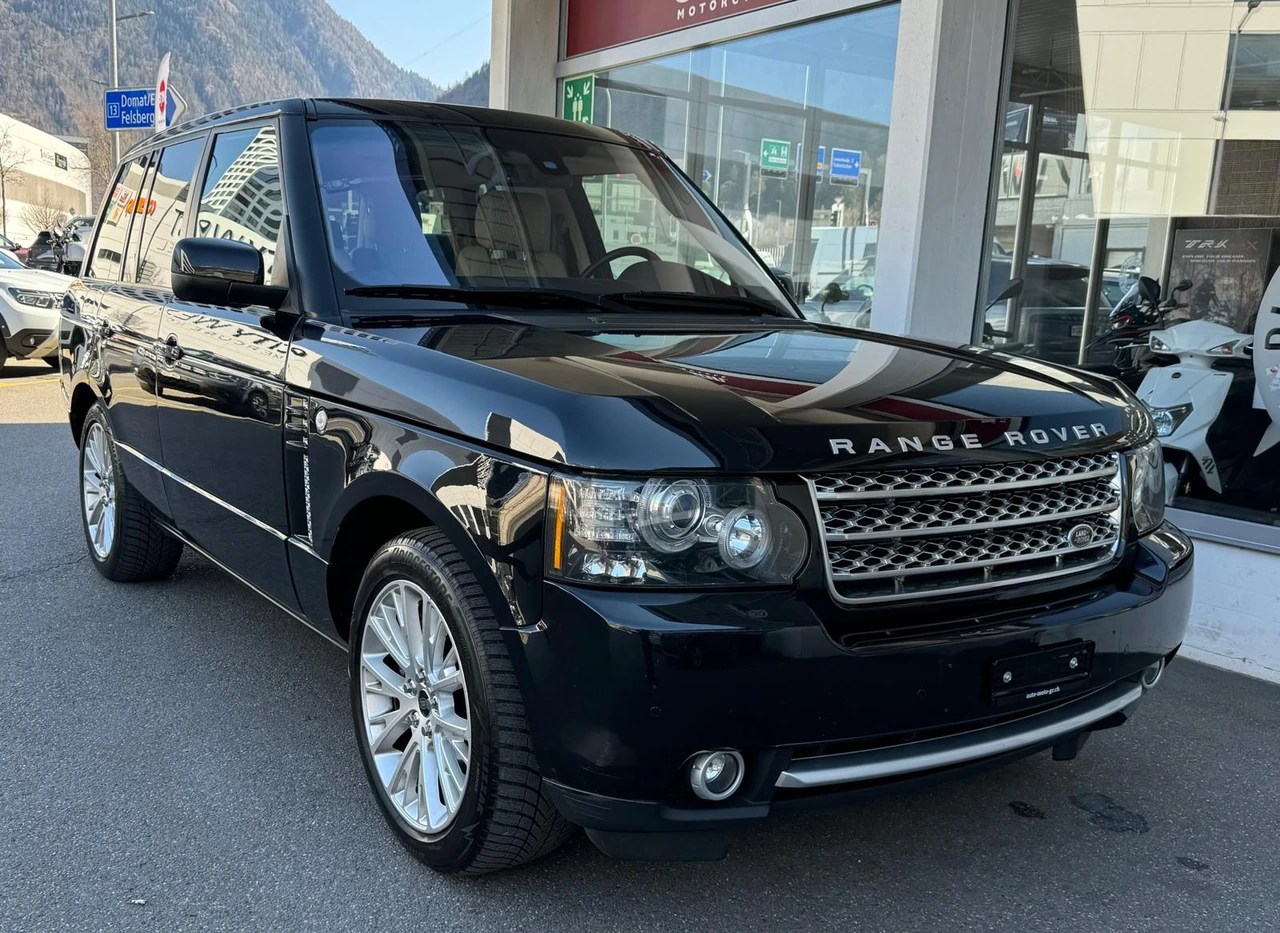
That same car is now parked in my garage, or rather on my parking spot in southern France as I write this. As it turned out, it was in fantastic condition, from one previous owner who had serviced and taken care of it as if his life depended on it. The exterior Mercedes silver was combined with the exclusive, extended leather package in black with white stitching and the Dinamica suede-like roof lining, all in a condition close to new. I couldn’t help tinking back on the L322 Range Rover I drove a few weeks ago. Quality-wise, there was light years between the cars.
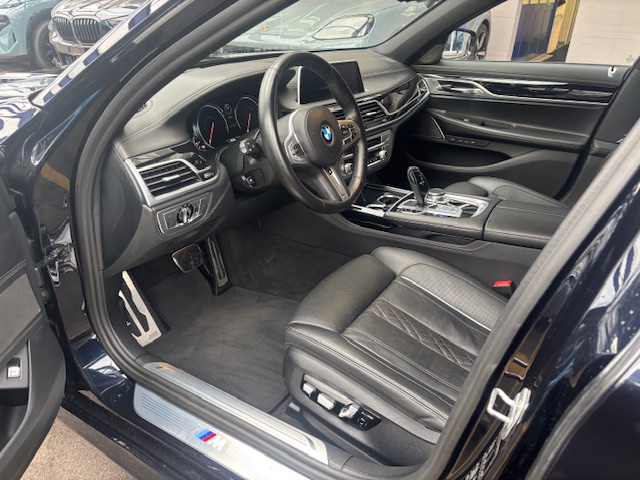
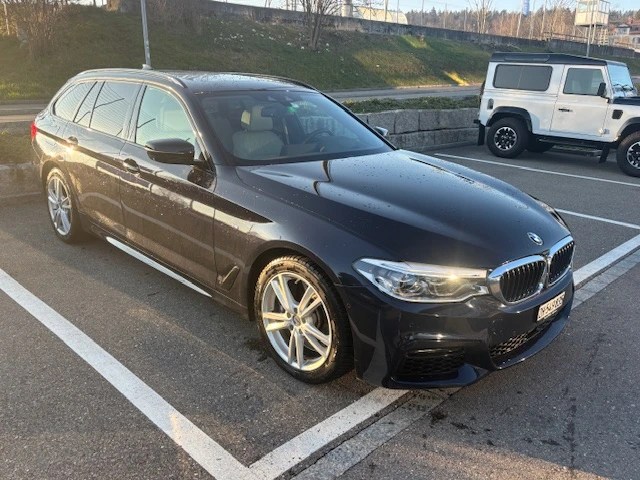
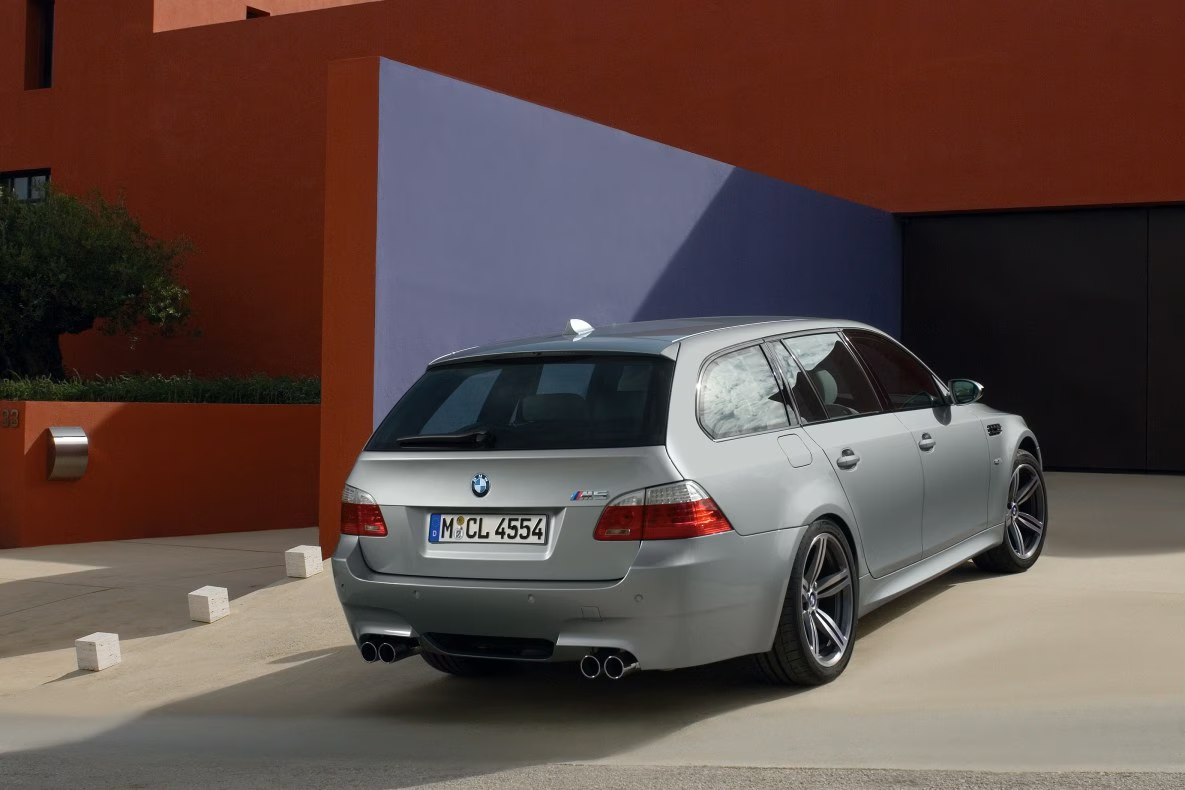
With a car which by now is 12 years old, how much have I had to sacrifice, compared to my BMW or another later car? Not much. I’ve never been one for big touch screens and 67 interior light colors, and evidently, that’s where most of the development budget has gone in the last years. Still, a head-up display would have been great, and I’ve always liked the ability to open the rear window of the trunk lid separately that BMW offers – or used to offer I should say, as they’ve scrapped it on the new 5-series.
The list of positives is far longer. Firstly that wonderful V8 engine, which is surprisingly vocal when you turn the key, but then falls back to a very pleasant, background grumble. If you want more, putting the car in sport will give you that, along with a more direct steering. Whichever way, it has all the power and torque you’ll ever need, and the sports suspension which can be regulated separately complements it perfectly on twisty roads. On highways, the softer, standard setting of the air suspension is great. That softer setting is precisely what you wouldn’t get in the CLS 63 AMG.
What’s most surprising is perhaps how tight the CLS drives. Although they’re similar in size, wife, son and I all agree it feels smaller and nimbler to drive than the BMW. The turn-in is very balanced with very little body roll. As I remember my W212 E63, it felt considerably heavier than the CLS does. Of course, it still eats motorways effortlessly, with very little outside noise, and with an overall consumption of 10.5 litres per 100 km so far, exactly the average I had on my Beamer. In other words, a 12-year old, 4.7 litre V8 doesn’t drink more than the more modern, 3-litre straight six of the BMW.
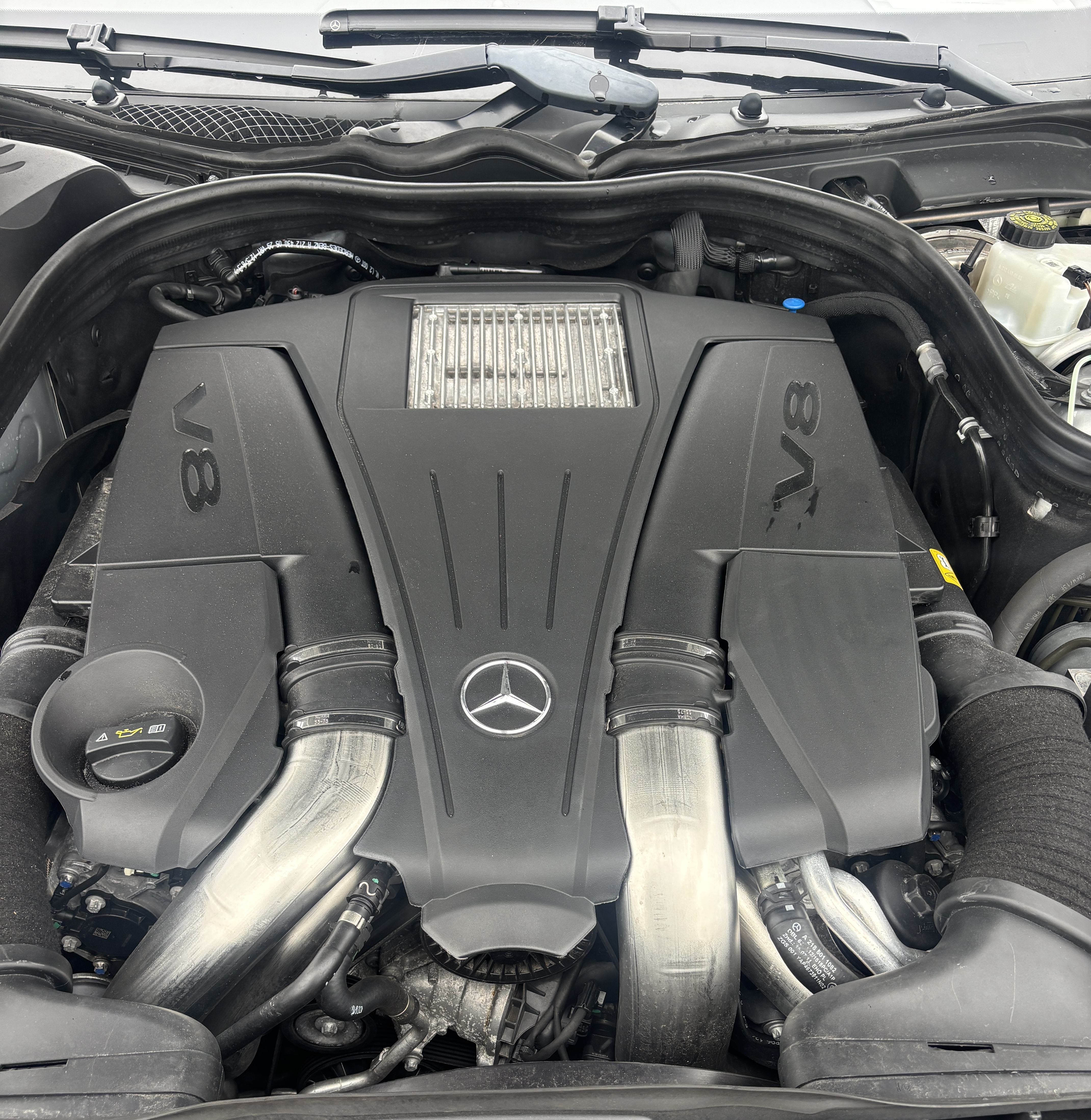
Overall, the driving experience is a very pleasant return to how it used to be before the synthetic era. The engine sound is real, not artificial. The reverse camera, complemented by Mercedes’ excllent light diode system is all the help you need when parking, and doesn’t produce a concert of warning sounds. If I cross a line without blinking, the car doesn’t punish me. This is a car where you’re still in charge. I almost forgot Mercedes’s active seats as they used to be, bolstering the support as a function of G forces. Mercedes haven’t offered those in years now.
Coming back to the quality aspect, it’s crazy to think this is what Mercedes used to be like until about 10 years ago. What the hell happened? There’s more metal in the sill of one door than in the whole interior of a new car. The quality of the leather that covers most surfaces, the metal switches and knobs, even the Harman Kardon sound system – it’s all on a wholly different quality level to cars these days, and it’s not a level we’ll ever see again.
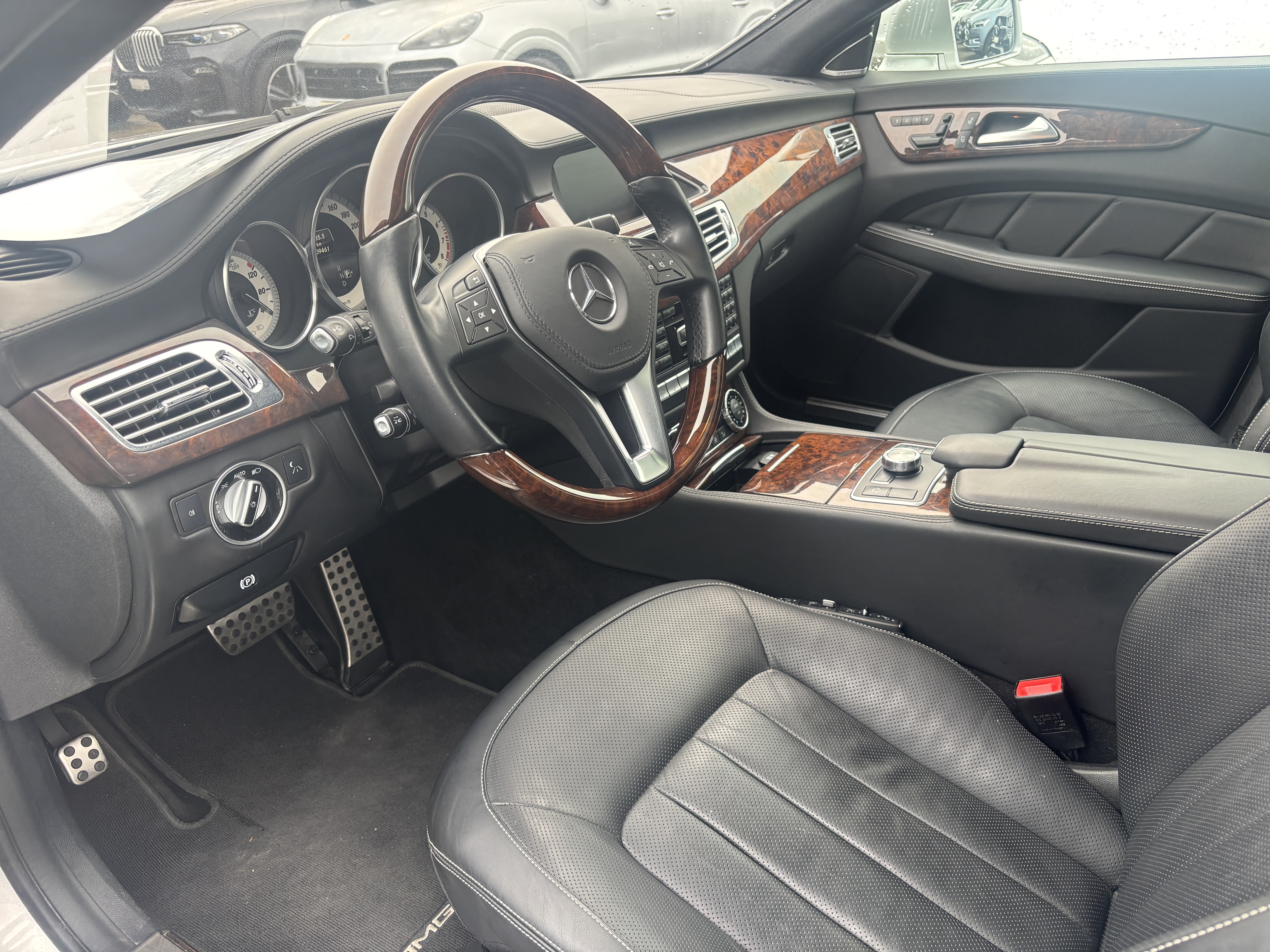
The CLS cost about CHF 143.000 as new in 2014, and I bought it for less than 20% of that. I would have opted for the matt rather than the shining wood inserts, but I haven no problem living with it, and it doesn’t change anything in this feeling like the deal of the century. My car came fresh from service, with new winter and good summer tires and one year full warranty. At that price residual values don’t really matter, but still, I think CLS’s could well gain in value going forward, given how rare they are, especially the Shooting Brake.
It’s certainly a stretch to call my five-door beauty a GT car, although I would claim it ticks a lot of those GT boxes but also adds a lot of practicality without sacrificing the form. Above all, it’s a rare thing which combines character with quality from the a bygone era, all to the growl of a great V8. As good as it was, that character and feeling of exclusivity was what the BMW lacked. I plan to update the infotainment to include Apple Car Play but that’s pretty much it. I love it and plan to keep it for a long time. Then again, I realize that my 23 car track record doesn’t lend me much credibility saying that. For now though, it’s great to be back in the Mercedes world – as it used to be!


























 The Thrill of Driving