
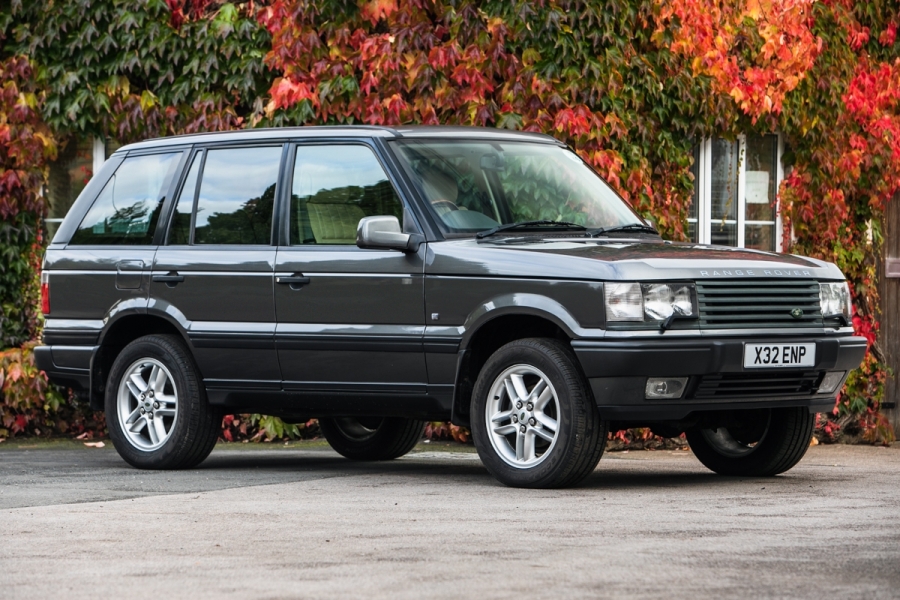
When I bought my Range Rover, that I recently sold, two years ago, I did so at 1/3 of its price as new back in 2015. Unfortunately though, at the time of selling it, it had lost another 20%. It felt like a pretty good deal at the time of buying, and I attributed the additional value loss to mainly Land Rover’s less than stellar reputation, and also the fact that it had a five litre V8 under the hood, which for reasons I don’t need to name, isn’t really the flavor of the day these days.
As I started looking for possible replacements however, it became clear that something had happened to secondary values in general, not just to old Range Rovers. My 2019 BMW 540i with less than 50.000 km on the clock that I finally replaced the Range with cost me CHF 49.000, from a new price of around CHF 135.000 (yep, it’s well equipped). So again, not far from 1/3 of the original value, in spite of this being a newer and more modern car, with a smaller engine, and from a brand with a better reputation.
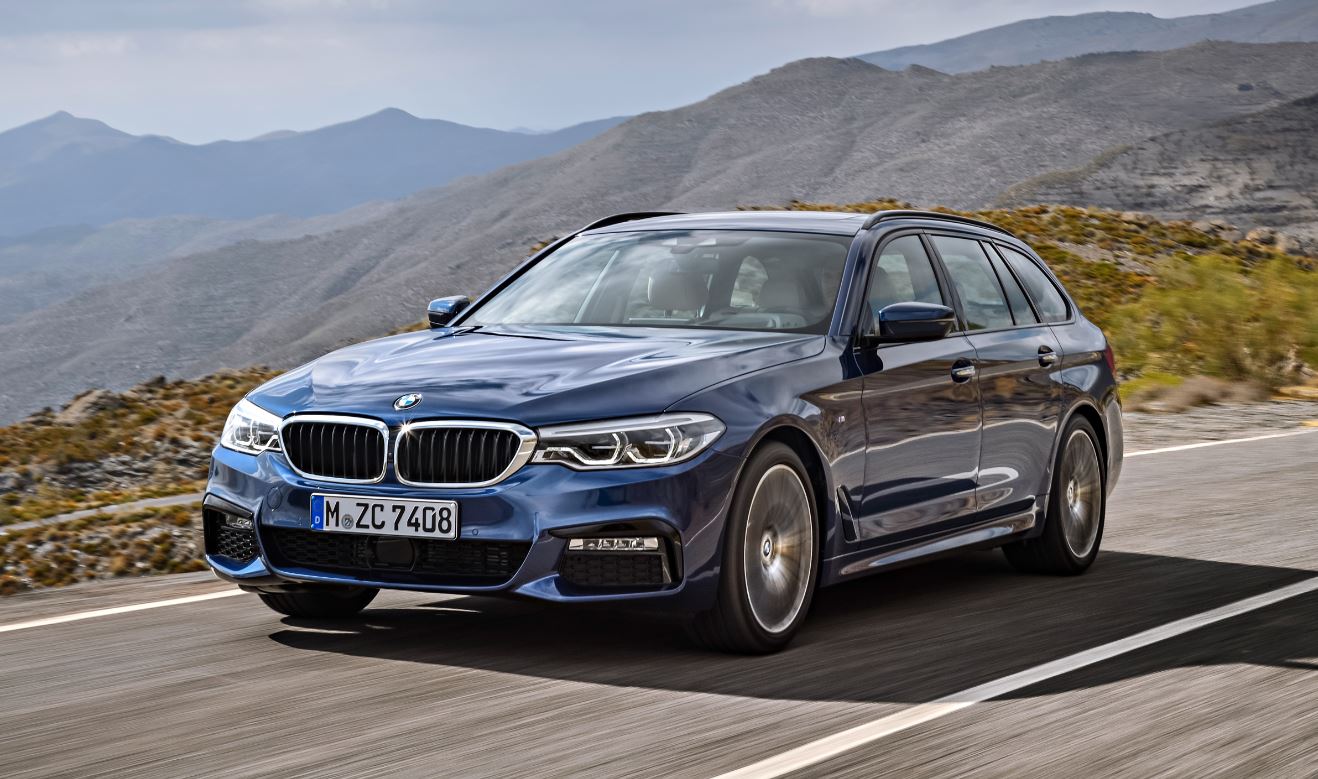
The sad truth is once more that in spite of fundamentals and common as well as economic sense, anything that is not fully electric is currently falling faster in price than Germany’s power production. The Covid pandemic was a bit of a hick-up in this regard, as it resulted in delivery issues that took a while to work through and that helped keeping prices of used cars artificially higher, but now that we’ve moved on, the trend is clear to see.
Whatever happens to the car market in general though, there’s a group of brands that are never really affected. Ferraris, Lamborghinis an other supercar exotics seem to be wholly uncorrelated to general trends, and bar some exceptions, that doesn’t seem to have changed, more on which below. And of course, anything with 911 in the name coming from Zuffenhausen can only go one way, right?
Actually, no. In a way, this is of course not new. You’ve been able to pick up the 996 at bargain prices (and you still can, even though they’ve clearly bottomed out), but that was typically the only 911 that didn’t hold its value really well. What has become clear lately though, is that the 996 was the starting point for that being the case for subsequent models, rather than the exception to the rule.
The 997 succeeded the 996 in two series, of which the second one is preferrable to the first for quality reasons. A good 997 can today be had for EUR 40-50.000, but perhaps somewhat surprisingly, I don’t think that’s the car you should go for. Not when the far better 991 can be had for not much more.
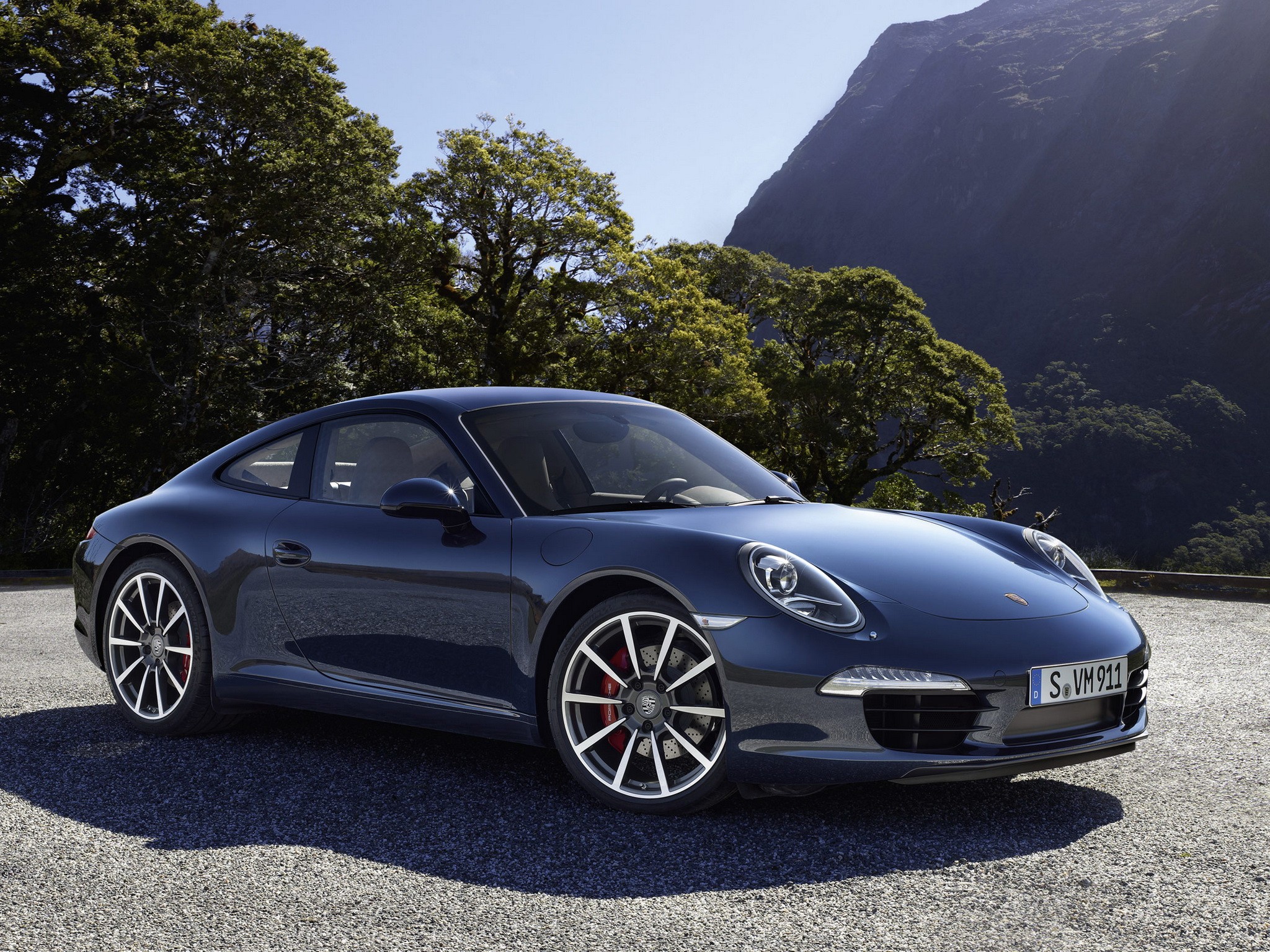
The 991 was built between 2012 and 2019 on an all new platform, only the third one in the 911 history (the 996 being the second). It also had an all new body that was 7 cm longer than its predecessors but above all, it had a new transaxle construction with the rear wheels having been moved backward to improve the weight distribution. The result is better handling and, a fundamentally better car.

The base 991 Carrera. came with 350 hp out of the flat six, increased to 400 hp in the stronger Carrera S. Both could be had both as manual and with the double-clutch, seven-speed PDK box. The first series was built until 2016, with the second running thereafter until 2019 having the all new, downsized 3-litre engine used until this day, rather than the original, classic 3.6 litre.
Today, you can find a nice, first series 991 with less than 100.000 km on the clock for around EUR 60.000. Actually, you can even dig out a Carrera S at that price if you search well. This for a modern 911 that mostly cost well above EUR 100.000 as new! Sure, it’s not 1/3 of the new price as my examples above, but it’s around half price and above all, it’s not what we’re used to when it comes to 911’s. Again, a GTS, GT cars or special models will be more expensive. But even a modern, base 911 is a pretty nice proposition, and I would argue a very nice one at this price point!
If most people agree with the above, what comes below will certainly be more contentious. When Porsche introduced the 718 Cayman and Boxster in 2016, as part of the general downsizing trend, they did so with a 2 or 2.5 litre turbocharged four-cylinder, something that was about as appreciated among enthusiasts as the introduction of the water-cooled 996 had been in the 90’s.
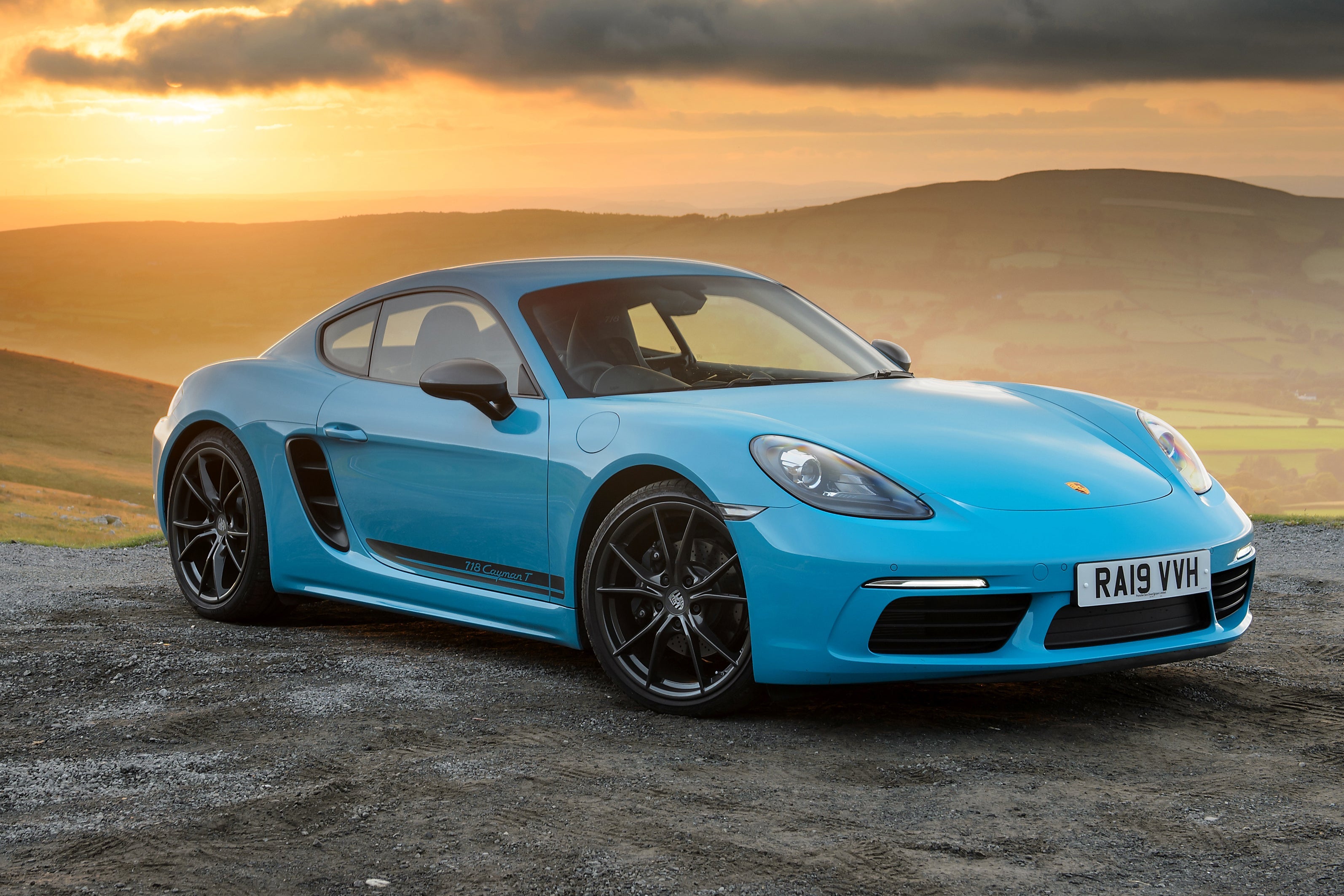
The four-cylinder wasn’t well received by the motoring press either, pretty unanimously seeing it as lacking character and producing an awful sound. Be that as it may – the engine certainly sounds different and doesn’t have the character of the flat six. But it’s powerful enough, cheaper to run, and for some people, two extra cylinders isn’t what really matters.
If this sounds like you, you’ll be happy to know that the very good-looking Cayman (that I’d personally prefer over the Boxster) can now be had for about EUR 40.000. And just so we’re clear, the 718 Cayman has been built since 2016, so this is a very recent car.
For me, it would have to be a first series 991 though, since a 911 is after all a 911, and I can’t really stomach the four-cylinder option. I would take my time (which will probably continue to work in buyers’ favour!) and find a nice Carrera S, perhaps pushing the envelope somewhat for the right car. And I’d go for the manual if I had the choice, but the PDK is so good so that it wouldn’t be critical.

Porsche price stability is thus not what it was, and at least in some, limited cases, this seems to be the case for Italian supercars as well. In a completely different price segment to the above, Ferrari has a bit of an issue around the SF90 Stradale, which unlike other top-of-the-line cars from Maranello isn’t really going anywhere. Literally, since especially in Germany, Ferrari dealers have SF90’s standing around for far too long, and at the time of writing, there’s currently no less than 152 cars for sale on the German market.
The 1000 hp hybrid, built since 2020, cost EUR 450.000 in base price as new, but in reality EUR 50-100.000 more once it hit the streets. Should you want to pick one up today, you’ll have no trouble finding a well-equipped one for less than the base price, probably as low as EUR 400.000 after a bit of negotiation, with insignificant km on the clock.

That’s not the way Maranello imagines its top-of-the-line cars to go, but my guess is that it has a lot to do with aficionados preferring Ferraris to come with a (preferrably naturally-aspirated) combustion engine rather than a hybrid, even it if has 1000 hp. If that’s true, given where the world is at, there could well be further disappointments ahead for manufacturers, but more good news for secondary buyers!

































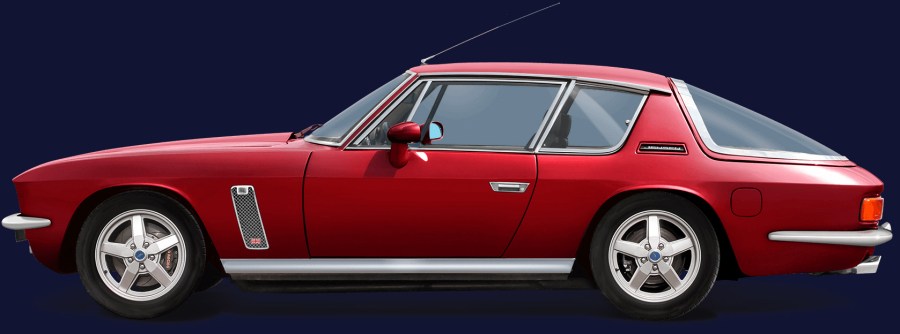
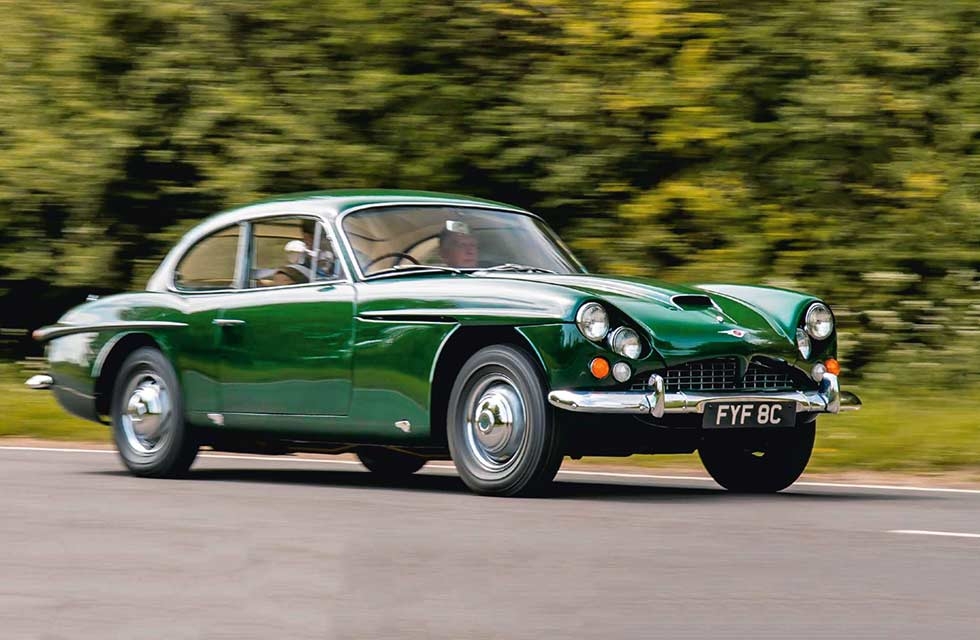 It was the search for a somewhat more successful car than the C-V8 that led to the Interceptor, Jensen’s by far most well-known car, presented in 1966. This time the design had been commissioned to the Italians at Carrozzeria Touring (another company that would go bust a few years later) and although certainly more convincing than the C-V8, it was definitely still quite original. The front looked like many sports car in the day, the rear which in the UK became known as the “fish bowl”, is rather reminiscent of the 70’s AMC Pacer (which was of course designed after the Interceptor). If the exterior isn’t to everyone’s taste the interior is much more so, with a selection and quality of materials that led to the Interceptor being compared to high-end brands such as Aston Martin, Bristol or even Rolls-Royce.
 We’ll make a quick pit stop here for a small side story that I find a wonderful illustration of Jensen and British car industry of the time. Jensen in parallel to the Interceptor built another model referred to as the FF. That’s actually a historic car as it was the first non-SUV passenger car with four-wheel drive, and thus highly innovative for its time. Neither in the 60’s nor now however does it snow a lot in the UK so if you build a four-wheel drive car close to Birmingham, you have to assume it was also intended for exports. All good so far. It’s just that no one in the Jensen factory apparently thought about the fact that most of the world outside of the UK by now had the steering wheel on the left side. So the FF only came as right-hand drive. Let’s just say it wasn’t a tremendous recipe for export success…
Back to the Interceptor, which during the 10-year production came in three series with only subtle design differences between them but where the MK III was by far the most produced. The MK III also came with three different bodies: the most common “glass bowl” saloon, the much rarer and arguably better-looking convertible, and the ultra-rare coupé with a plexiglass rear. All three series had Chrysler big block V8’s and 3-speed automatic transmissions, but whereas the first two shared the same 6.3 litre, 325 hp V8 as the predecessor C-V8, the MK III had an even bigger, 7.2 litre engine, however at 285 hp with less power. This all had to do with the new US emission rules that limited the power of large engines quite heavily. Not only was the 7.2 litre engine less powerful, it was of course also heavier, and just a tad thirstier: apparently we’re talking 25-30 litres per 100 km (8-10 MPG) …
We’ll make a quick pit stop here for a small side story that I find a wonderful illustration of Jensen and British car industry of the time. Jensen in parallel to the Interceptor built another model referred to as the FF. That’s actually a historic car as it was the first non-SUV passenger car with four-wheel drive, and thus highly innovative for its time. Neither in the 60’s nor now however does it snow a lot in the UK so if you build a four-wheel drive car close to Birmingham, you have to assume it was also intended for exports. All good so far. It’s just that no one in the Jensen factory apparently thought about the fact that most of the world outside of the UK by now had the steering wheel on the left side. So the FF only came as right-hand drive. Let’s just say it wasn’t a tremendous recipe for export success…
Back to the Interceptor, which during the 10-year production came in three series with only subtle design differences between them but where the MK III was by far the most produced. The MK III also came with three different bodies: the most common “glass bowl” saloon, the much rarer and arguably better-looking convertible, and the ultra-rare coupé with a plexiglass rear. All three series had Chrysler big block V8’s and 3-speed automatic transmissions, but whereas the first two shared the same 6.3 litre, 325 hp V8 as the predecessor C-V8, the MK III had an even bigger, 7.2 litre engine, however at 285 hp with less power. This all had to do with the new US emission rules that limited the power of large engines quite heavily. Not only was the 7.2 litre engine less powerful, it was of course also heavier, and just a tad thirstier: apparently we’re talking 25-30 litres per 100 km (8-10 MPG) …
 The convertible version of the Interceptor was presented in 1974 and is another example of Jensen’s risk-willingness or complete ignorance of the world beyond the UK, depending on how you see it. At this time most other brands were halting the development of new convertibles altogether, as it was widely expected that US safety authorities would enact a complete ban on open cars without roll-over bar. So Jensen was basically the only brand brave or foolish enough to launch a new convertible in this period. They were ultimately right given a ban was never enacted but they were kind of wrong anyway, since the whole company went bust only two years later, in 1976. By then they had produced about 500 convertibles, out of a total of some 6400 Interceptors.
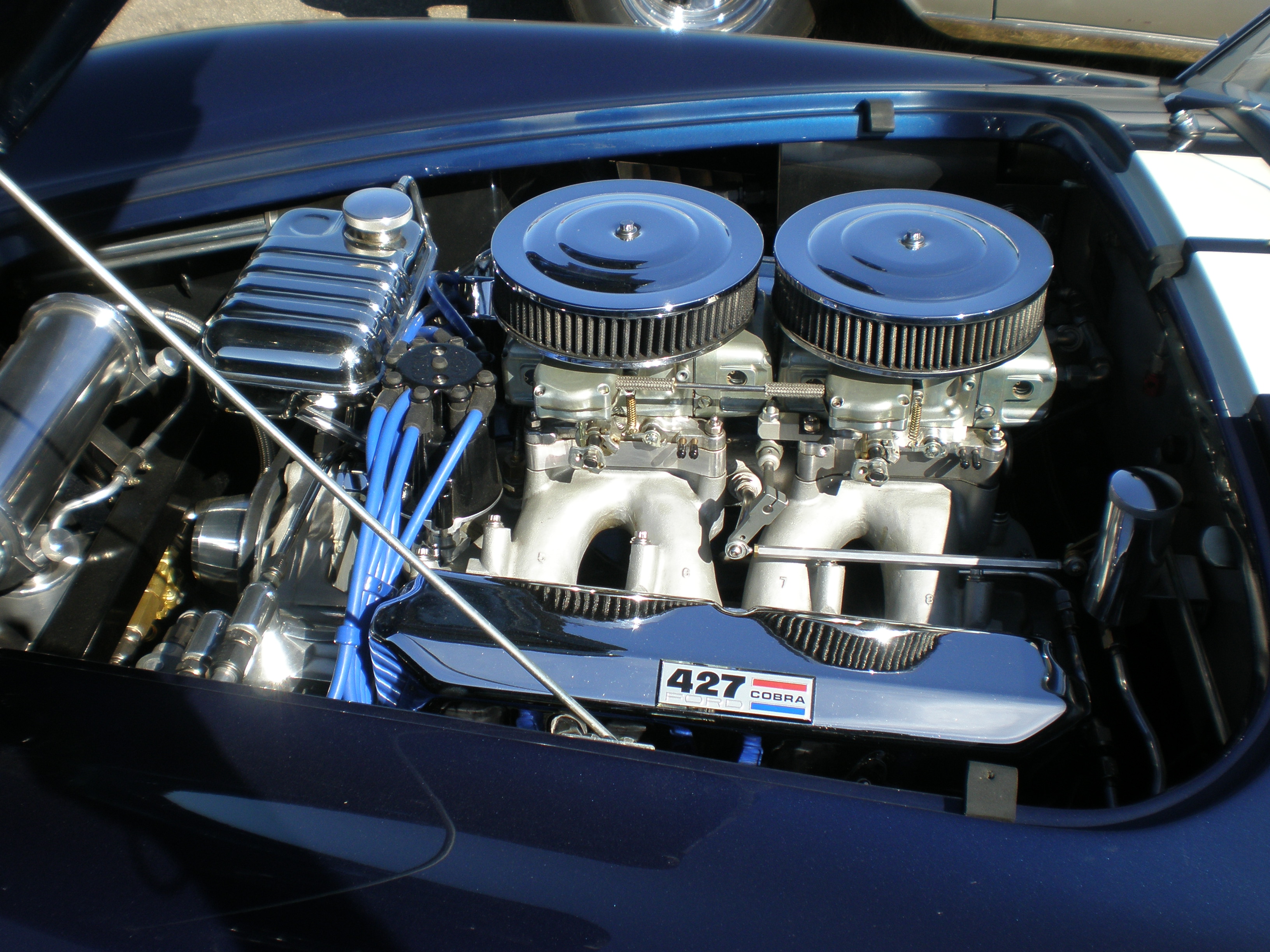
 Although the big block Chrysler engines were quite bullet proof, the fact that they all had carburettors and lots of them, didn’t make them any easier to run or service. The carburettors had to be adjusted frequently for optimal performance, apparently up to as often as every 1000-2000 km. Cooling was another issue Interceptors were known to struggle with and then there was of course the same issue as with all other cars in the 70’s – rust. You can certainly convert the engines to injection and upgrade the cooling system, an idea that some won’t like at all given the car is then no longer original. It will however be far more drivable, and thus possibly a solution for those preferring to spend time on the road rather than in the garage.
Cooling and carburettors aside, the Interceptor is known as quite a wonderful GT car, offering loads of 70’s luxury and charm typically for far less money than a comparable Aston or Rolls (who as we all know also tend to have an issue or two…). There aren’t many in the market which makes pricing uncertain, but good saloons tend to start somewhere around EUR 50′ with convertibles costing much more. If this wonderful example of British ingenuity combined with a dinosaur-engine of a type will certainly never see again, then please make sure that if you’re not mechanically talented, you know someone who is, and go for a car as perfect as possible, as finding replacement parts for an Interceptor risks being as hard as finding a UK prime minister who will stay longer than a few months!
Although the big block Chrysler engines were quite bullet proof, the fact that they all had carburettors and lots of them, didn’t make them any easier to run or service. The carburettors had to be adjusted frequently for optimal performance, apparently up to as often as every 1000-2000 km. Cooling was another issue Interceptors were known to struggle with and then there was of course the same issue as with all other cars in the 70’s – rust. You can certainly convert the engines to injection and upgrade the cooling system, an idea that some won’t like at all given the car is then no longer original. It will however be far more drivable, and thus possibly a solution for those preferring to spend time on the road rather than in the garage.
Cooling and carburettors aside, the Interceptor is known as quite a wonderful GT car, offering loads of 70’s luxury and charm typically for far less money than a comparable Aston or Rolls (who as we all know also tend to have an issue or two…). There aren’t many in the market which makes pricing uncertain, but good saloons tend to start somewhere around EUR 50′ with convertibles costing much more. If this wonderful example of British ingenuity combined with a dinosaur-engine of a type will certainly never see again, then please make sure that if you’re not mechanically talented, you know someone who is, and go for a car as perfect as possible, as finding replacement parts for an Interceptor risks being as hard as finding a UK prime minister who will stay longer than a few months!



 The Thrill of Driving