
Hardly a day goes by without negative news from the car industry, especially the premium German brands. Talk is of falling sales, rising inventory and risk of bankruptcy. And a look at the car market tends to validate the concerns – gone are the days when a new Porsche 911 GT3 was worth more three months after delivery. The same goes for the Ferrari 296 and other models from previously infallible brands. This isn’t a completely new phenomenon, but rather one that started with the hybrid supercars a few years ago. the Ferrari SF90 provides a good example of a car that has only fallen in price since new, in spite of having more horsepower than any Ferrari before it.
Car pundits scratch their head, advancing various theories. Electrification is certainly one explanation, and one I’ve touched on here as well. The billions that went into producing EV’s that no one bought could certainly have been put to better use. Car Youtubers also advance the view that manufacturers have forgotten the enthusiasts, and again, Ferrari is mentioned as the prime example. Let me however present you with a far simpler theory, that I’ll develop further below: whether in supercars, sports cars or family hatchbacks, the world has moved beyond Peak Car, and except for what goes on in the market for the ultra wealthy, buyers don’t find the large piles of money new cars command worth it anymore, as they don’t see new models being fundamentally better than previous generations.

As an example from last week, I watched a German car Youtuber comparing BMW’s new 5-series station wagon in the top diesel version, the 540d, to the previous 540d from the G31 generation, the same generation as my 540i. The G31 was from 2021 and had more than 130.000 km on the clock but was fully loaded equipment-wise, and in immaculate condition. It was for sale at EUR 39.000, whereas the new car with less equipment cost far more than EUR 100.000. The question was whether the new car was worth the difference. The answer wasn’t clearcut.
On the positive side, the new car consumes about 10% less fuel than the previous version, thanks to a mild-hybrid system. It is said to drive slightly sharper and has a bigger infotainment screen (I’ll let you be the judge over whether that’s a positive or not). The list of negatives is unfortunately far longer. It starts with the bland body style, where the side is now completely flat, given it’s cheaper to press that way than with the more dynamic lines and shapes that characterized the G31. When you open the door, there’s no metal door sill with the M logo greeting you anymore. In fact, there’s no door sill at all. The plastics are of the cheapest type throughout, and both the seats themselves and the leather on them seem of lesser quality than on the previous model. Finally, the new car is down 17 hp on power, but weighs 200 kg more. You can thank the same mild-hybrid system for that.
It used to be that when a car brand such as BMW introduced a new generation of one of its large volume models, no one would even question whether it was better the previous generation, that was a given. And yet, at the end of my 20-minute Youtube clip, the conclusion was not at all obvious, even when the older car had more than 130.000 km on the clock. Up to you whether you would invest around EUR 70.000 more for the new 5-series – I know I wouldn’t.

To me, the G31 is the better car, but it’s not perfect. The fact that in 2020, BMW wasn’t capable of building parking sensors that work with less than a 2-3 second delay is a mystery. This means the car will sound warnings the whole time given the number of sensors, but they’re so delayed so that in the end, you have no idea where the obstacle is. The cameras aren’t of much help, as the angles and lines are so confusing I still haven’t figured them out after more than 35.000 kms. The gesture control is certainly more a gimmick than an essential feature and not one I would have optioned had I bought the car as new, but it’s quite enfuriating not being able to move your right hand without changing radio stations. The lane keep assist is completely useless, as the car floats between the two lines to an extent that makes it look like whoever’s driving is drunk.
Of course, other features are more useful. The adaptive cruise control is one, and it works great, even in stop and go. The side warning against crossing traffic when you’re in reverse has saved me a couple of times. Having recently driven down to southern France at not very legal speeds, I would claim 8.5l / 100km is an excellent value, as is the sublime comfort of the car. It’s just that pretty much all those things were there already around 10 years ago. What wasn’t, and what’s been introduced in the last years, except for larger screens, are things like gesture control or 67 different interior colours. And complicated hybrid systems that make cars hundred of kgs heavier.
In terms of family cars, my peak car is probably around the mid-2010’s. My E63 AMG was a great example. It had enough modern features, some of which worked even better than on the 540i. It had one interior light color which was all I needed. And above all, it had a wonderful V8 engine, without any complicated hybrid system, and with around 560 hp that had no trouble whatsoever with the 1850 kg weight. Everything felt solid as a rock.
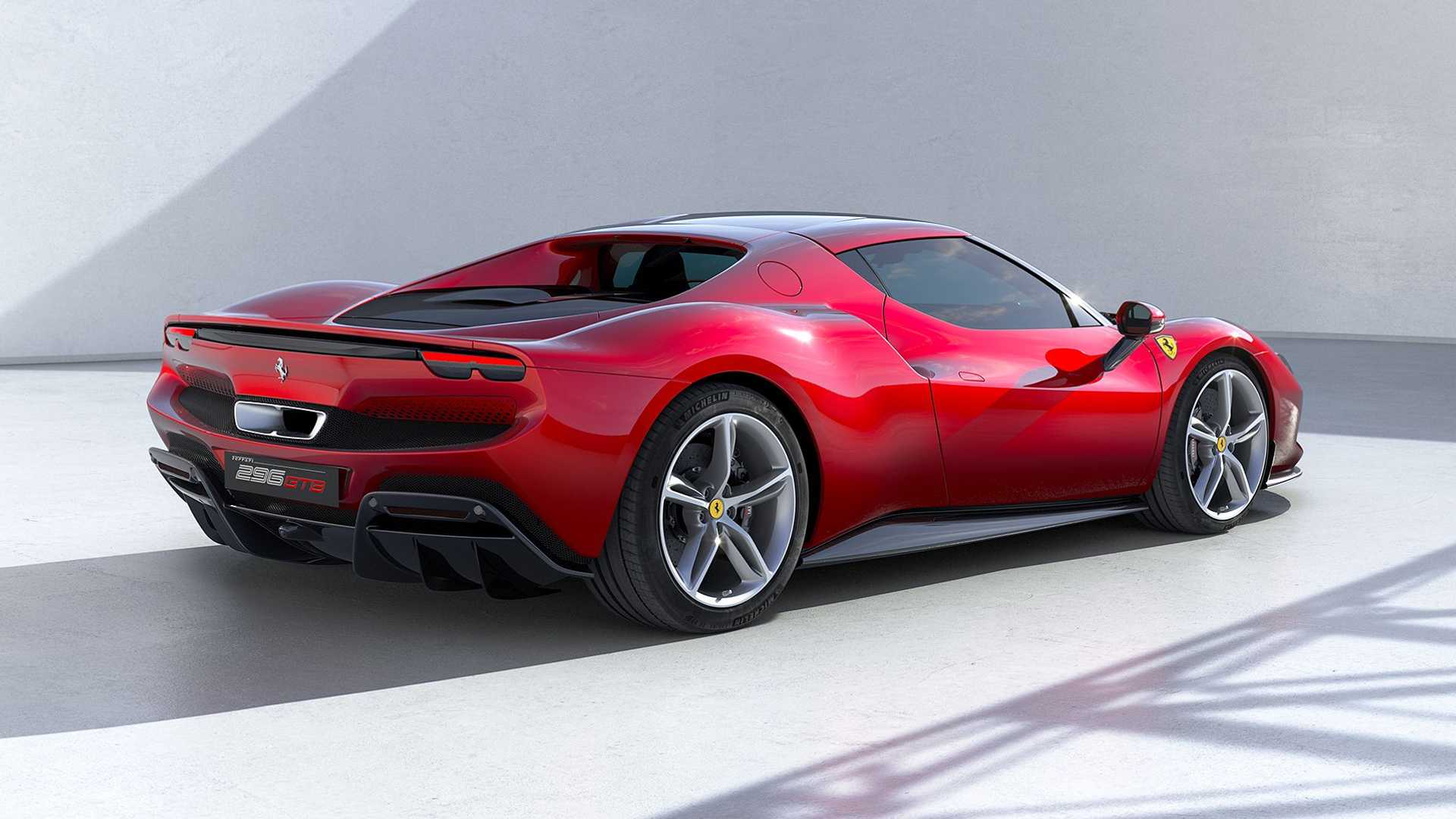
If you look at sports cars and supercars, I would claim the logic is the same. Sports car buyers aren’t especially interested in hybrid systems in general, and especially not when they make the car 200 kg heavier. They don’t need all the infotainment features, and would prefer switches to tactile surfaces. And very few people would feel they need over 800 hp – in fact a regular criticism of the Ferrari 296 is that at 830 hp, it has too much power. Remove the hybrid system and you’re left with 660 hp at less weight. If you had the option, would you even think twice about it?
That said, Ferrari has a brand value like no one else, and you only need to look at the stock price over the last years to see that they’re clearly doing quite a few things right. They may well have forgotten about the enthusiasts, at least those with limited resources, but they certainly haven’t forgotten about their best clients, since over 80% of new cars go to existing Ferrari owners. This means that the brand from Maranello can allow itself things that othe manufacturers can only dream of. Ferrari is the Hermès of the car world.
That enviable position is something none of the big German brands have, and as argued previously, the active dilution of BMW’s M-division and Mercedes’ AMG by sticking corresponding logos on a few models of every line-up has made the whole thing worse than it needed to be. These guys are all volume producers, as is Porsche, and if people stop buying the new cars in volumes, especially the top models, there’s a big problem.
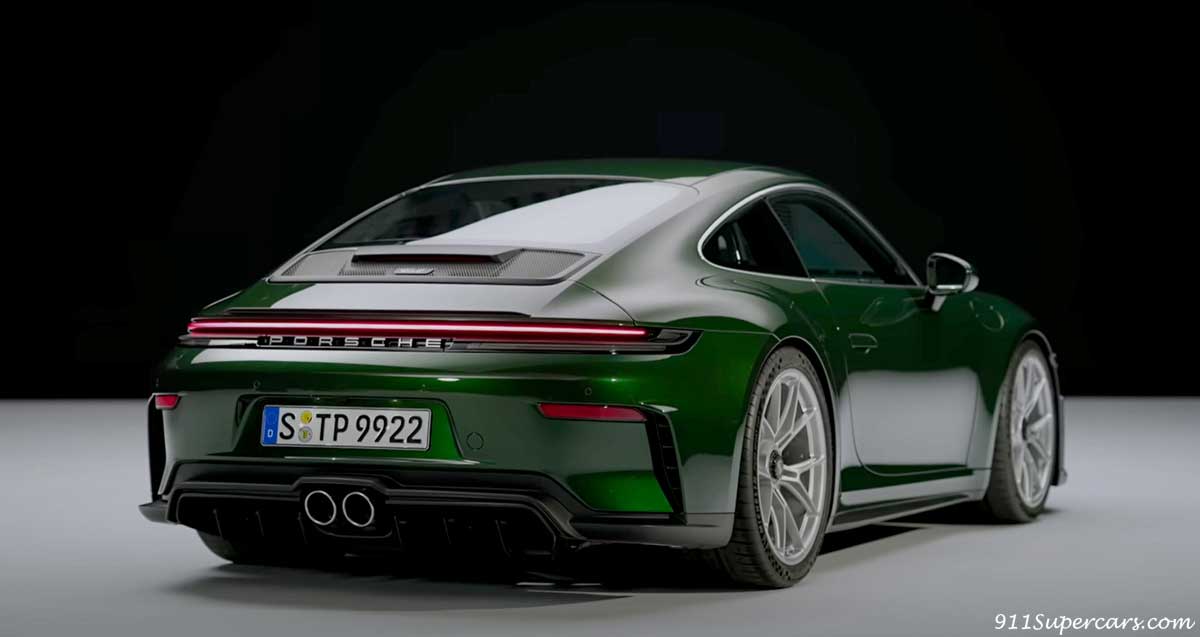
To come to some kind of conclusion, I don’t know anyone interested in cars who thinks what’s on sale today is exciting, or anywhere near something that could be referred to as Peak Car. On the other hand, I know a lot of people who talk about the cars built 10-15 years ago with some nostalgia. In a couple of weeks, I’m sharing a Glühwein with a reader of this blog who’s thinking of the BMW 635 CSI as a possible daily. I haven’t planned drinks with anyone who has questions on the new, 2.6 ton M5 Touring.
Things are not about to look up for our beloved German brands anytime soon. They can’t revert to things as they were before, even if they wanted to, and I’m not even sure they understand the issue, even though it’s pretty much painted on the wall. That also means that many of them are probably doomed in the longer term. We don’t need to be, however. We don’t even need to move to other brands, but rather think about what we really value in our cars, which of the ones we’ve owned we look back most fondly at, and which of those would cover our daily needs. Many of those will come from the same brands as before.
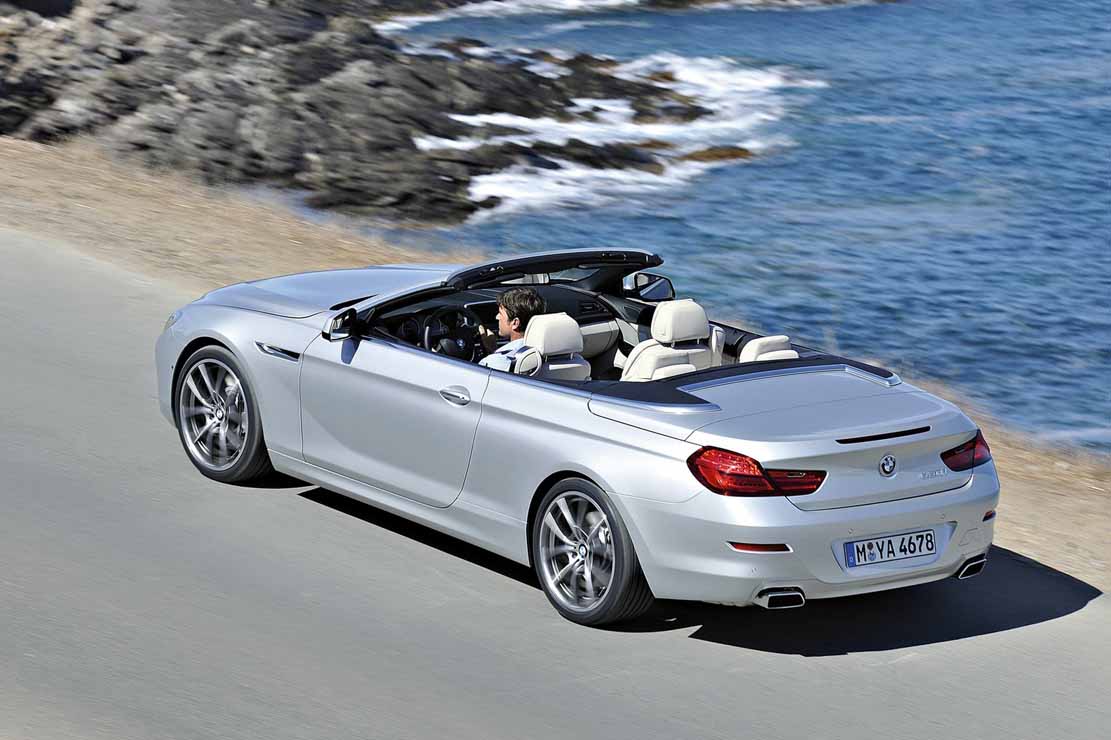
For me, that means the 2010-2015 era for everyday cars, and perhaps the 00’s for sports cars (I’d pick a Porsche 997.2 any day over a 991.1, or why not make a deal on a 997.1 that has had the IMS issue fixed? The price difference in the market is hardly motivated). Your era may be another one – for another one of my readers, it’s for some reason the 90’s Land Rover Discovery. The point is that there’s no absolute Peak Car – it’s up to you and your preferences. The only thing absolute is that it’s not what comes out of the factories today. A well-kept, low mileage example from whatever era is your Peak Car will most probably make both you and your wallet happier, and holds it value better, than what they’re trying to sell us today.


 The Thrill of Driving