Talk of the (car) town – October

This is a new theme on the blog (that will run under the sub-heading “News” such as not to complicate things), where the idea is to bring you a few items currently talked about in the car world from time to time. No strict plans so most probably a bunch of different things with a few weeks’ interval. In this first piece, we’ll travel from Germany to China and back over Italy – enjoy the reading!

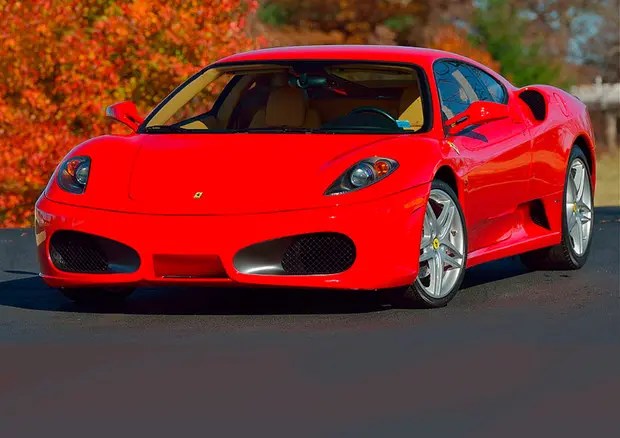
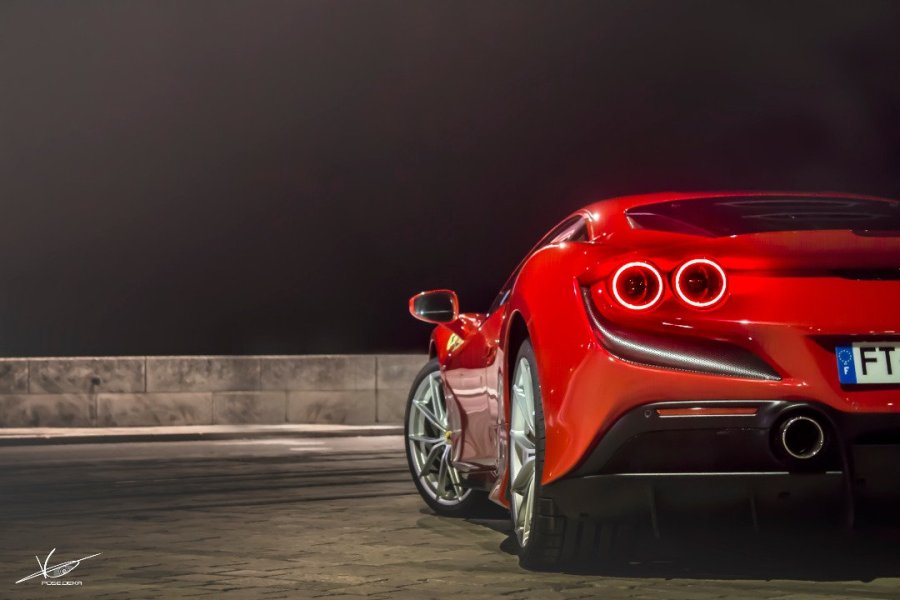
Germany used to be the place to start for pretty much anything car related but today, unfortunately, you do so mostly for other reasons. This is however a funny one. In 2022, some 2.6 million new cars were sold in Germany, but only around 400 of those were Ferrari F8’s. That’s perhaps not very surprising, but what is more so is the fact that that number is almost identical to something very far from any kind of Ferrari, namely the good old Land Rover Discovery. 
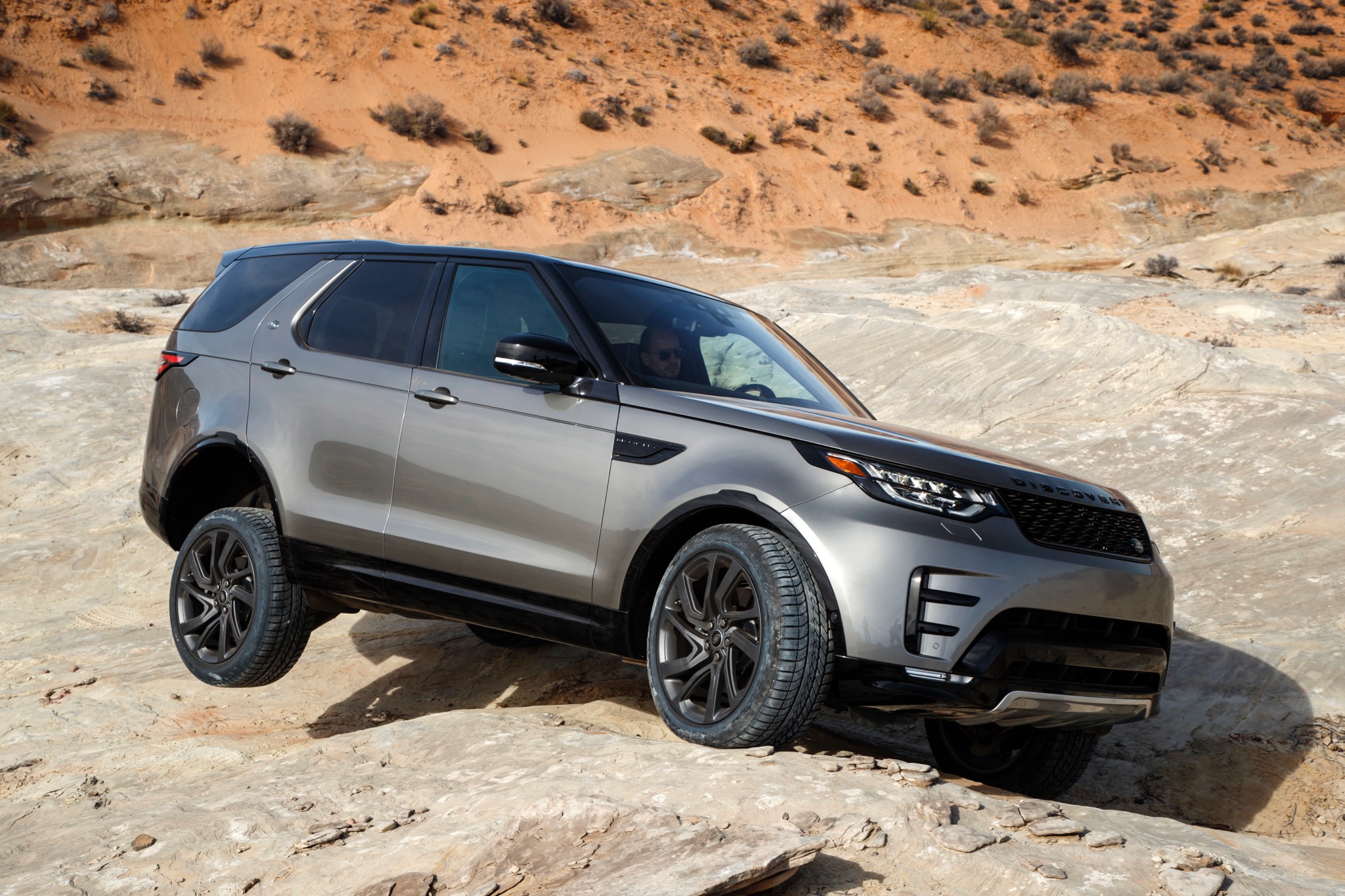
The Family F8, where you’ll never see it….

The latest Disco has been around a while and is one of the roomiest and most offroad capable SUV’s out there, if ever you were to venture outside of the beaten path, which of course 99% of all buyers never will. It’s also one of the boxiest, and I guess one reason for its lack of success is that not many people want to confuse their car with their fridge.

Other downsides include the price (superior to a comparable X5 or a GLE), running costs (on par with a Range Rover and not something I necessarily want to go into in more detail, but it’s bad…), and a questionable quality reputation, as is mostly the case with anything from the Land Rover brand.

On the plus side though, next to the roominess that comes with its shape, is sublime comfort, as said unbeatable terrain capability and, as it turns out, the fact that you won’t see one on every corner. So as long as you don’t confuse it with your fridge, the Disco is the Ferrari F8 for the family!
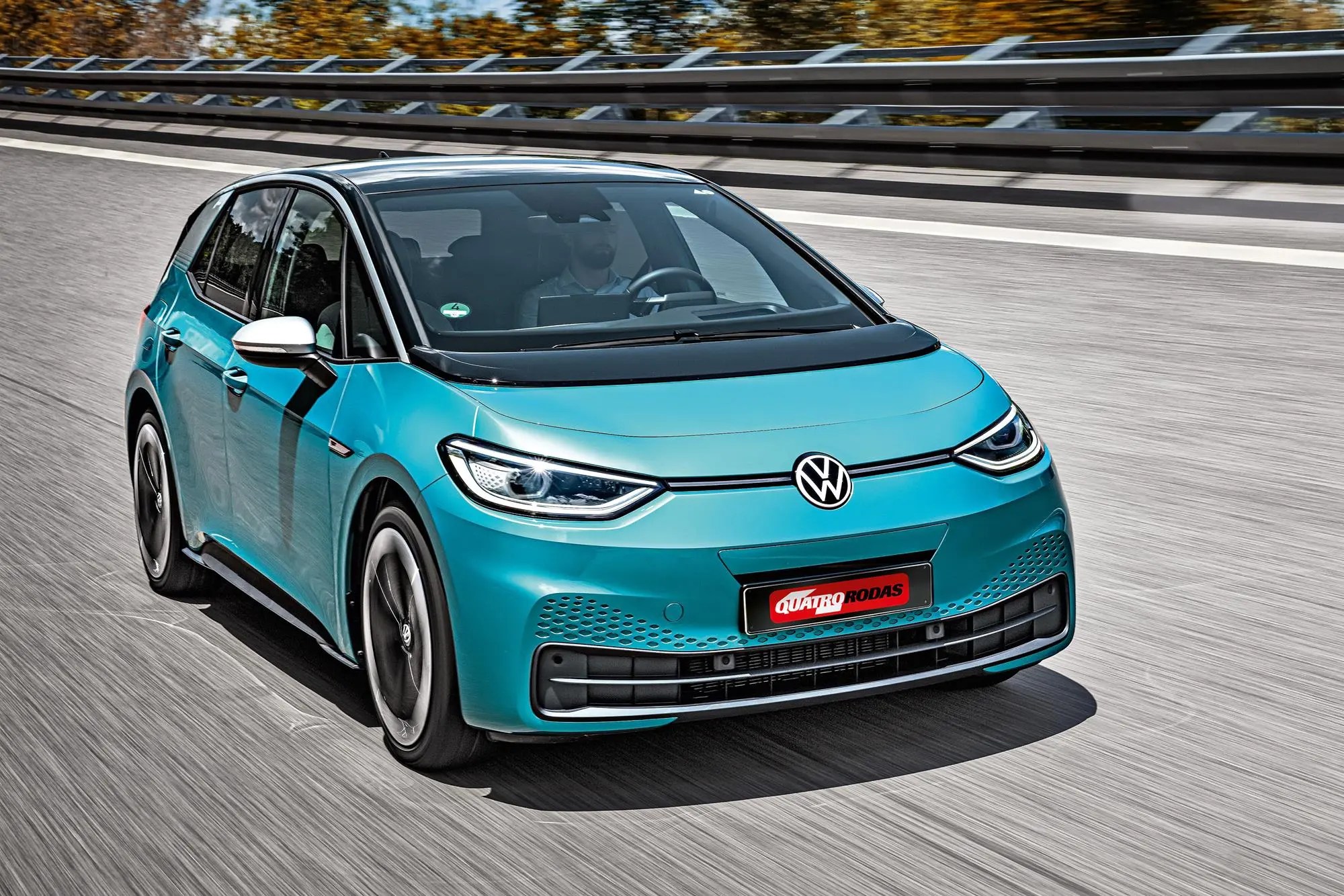
The say you should always buy a car in the press color. Not convinced…

Staying in Germany, the next theme is far less funny, but unfortunately very typical of what goes on today. Next to the country’s completely failed energy policy, the Green finance minister Habeck has now removed subsidies on EV’s, which – surprise! – has caused such a drastic fall in sales that VW have had to let go of several hundred workers in their new model EV factory in Zwickau.

One of the reasons EV’s don’t sell very well once subsidies are gone is the fact that they’re not very competitively priced. A good case in point is the VW ID.3, basically an EV Golf, which sells for no less than EUR 40.000 in its basic configuration with a 55 KwH battery, to which you need to add another EUR 10.000 to get the larger 77 KwH battery. As a comparison, a combustion Golf in the same country costs from EUR 30.000 and upwards.

Where it gets really interesting though is when you learn that the same ID.3 costs less than EUR 20.000 in China. The reason is simple: China continues to heavily subsidize its EV industry and it’s only at this price that VW can hope to sell any ID.3’s at all. The practical implication is thus that German EV buyers subsidize Chinese ones, which I don’t believe Herr Müller was necessarily informed of by his VW salesman…
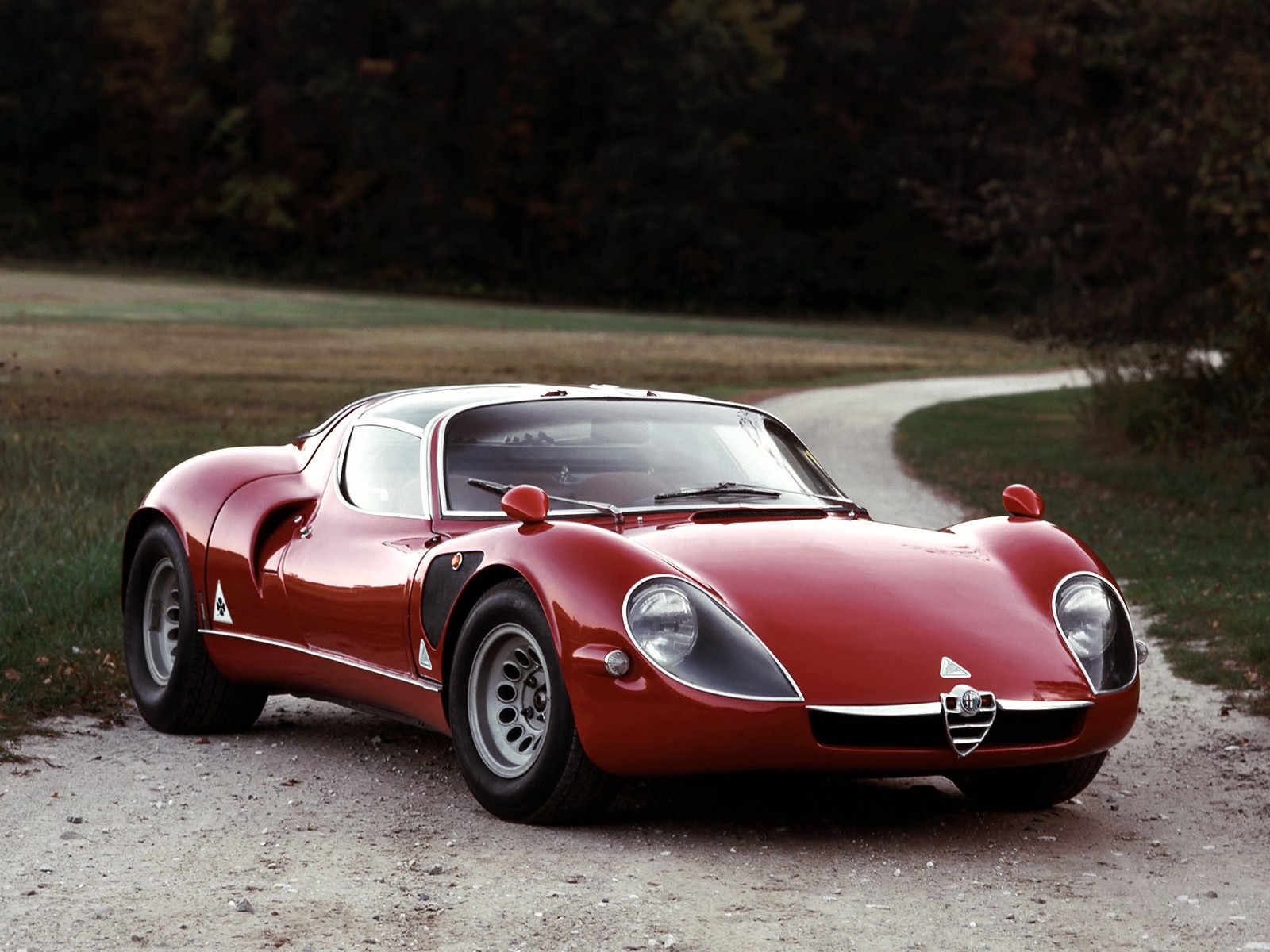
The original Alfa Romeo 33 Stradale from 1967

We’ll leave Germany for now and go to a happier place and happier news, namely that Alfa Romeo is planning to build a new supercar! This is of course something that makes any car enthusiast’s heart beat faster, especially since it’s been longer than anyone cares to remember since the 33 Stradale, which Alfa says is the new car’s predecessor, hit the roads.

The new car will thus be built 33 times and before you start making plans, all of them are already sold. It looks neat, much nicer than the Maserati MC20 if you ask me, the car with which it shares its six-cylinder turbo engine, here developing 620 hp.

The new looks good, but not as good as the original…

That’s if you opt for the combustion version, because Alfa also gives you the option to order the new car as a 750 hp EV as well. And although the order book is already filled, they haven’t yet divulged how the two version split between the 33 sold.

My guess, especially if the trend we saw last week with the SF90 Stradale is anything to go by, is about 33 petrol. As for the price the 33 lucky owners have paid for the pleasure, it’s a pretty chunky EUR 3m. That would get you no less than 75 VW ID.3’s in Germany – or of course twice as many if you happen to be in China!

Summer cars and value appreciation!

If you live anywhere near central Europe or indeed visited this part of the world during the first three weeks of May, you will have experienced what turned out to be the rainiest May in many years in most places. Villages in northern Italy were flooded but also in other parts, it seemed there was no end to the water falling from the sky. And then as always when despair is near, it all turned at the end of the month, and from North to South, Europe has been sunny ever since. Fingers crossed that it remains so!

Had you been in the market for an enthusiast car in early May, odds are therefore that you would have selected something with a roof. Then again, as soon as the sun comes out, all is forgotten and it becomes obvious that a convertible is the right way to travel through summer. In both cases, if you read this blog regularly, you will have seen my posts on various enthusiast cars, with or without roof, modern or old, and quite often with some kind of idea or prediction as to the direction their price may move going forward.

Nothing like enjoying summer in a nice convertible!

I would claim never to have given any kind of guarantee that this or that car is a safe store of value, or the investment of a lifetime. A professional career in finance and more disclaimers than I care to remember have taught me to be very careful with such statements, but even so, it’s of course a valid question to ask whether my more general statements have been correct? Let’s therefore look back at three enthusiast cars I’ve written about in the last years and where I’ve thought they would move up in value, to see if they’ve done so?

For this exercise to be relevant for as many as possible, we’ll do this looking at three different price segments – the perfect convertible summer car for a small budget, the last naturally aspirated Ferrari, and then also the last non-hybrid Ferrari that I called a supercar bargain back in January 2022 in one of the most read posts on this blog.

The Alfa Spider, here in Mk II, was a delightful long-runner!

It was back in August 2020, almost three years ago, that I wrote about the Alfa Romeo Spider, one of Alfa’s longest-running cars given it was built for almost 30 years, and also the last car to have been designed by the grand old man Battista Pininfarina himself. Nothing has changed in three years as to the Spider’s suitability as a perfect summer roadster for two; it’s a pretty car with plenty of room for your better half and you, and your luggage. At only 1100 kg it’s sufficiently motorized by the 1.7 litre or 2 litre engines, and it’s also more reliable than a comparable English roadster, Oh yeah, it’s cheap as well.

At the time, I wrote that the first, “boat-tail” series had started to get expensive but the later series hadn’t, and that “My guess is that especially the later series that today can still be had for EUR 20.000 or even less for nice examples, still have further to go.”. Well, I guess they still may, but they certainly haven’t gone anywhere yet. There seem to be enough Spiders out there still for prices to remain low for now, which is good news if you’re in the market. But in terms of my predictive power, this isn’t one I was right on.

The F430 is one of the all-time greats from Maranello

Let’s next have a look at the Ferrari F430, also known as the Baby-Enzo because of its backlights, that I wrote about a year ago almost to the day. As said at the time, it’s one of my all-time Maranello favourites and of course, the last naturally aspirated eight-cylinder from Ferrari. It wasn’t just the engine though that was a step forward vs its predecessor, the F360. The driving experience, interior and basically the whole car was so as well.

At the time I wrote that the large price premium on the 10% of cars with a manual box (i.e. around 1500 cars all in all) wasn’t motivated, and that “For a “regular” F430, meaning a coupé with the F1 semi-automatic gearbox, prices start around EUR 80-90.000”. Had I written the piece today, I would rather have said that they start at around EUR 100.000, meaning an increase of about 10% over the last 12 months. Not dramatic, but still not bad in such a short time. I would therefore claim that my statement that it had upwards potential given that it was barely more expensive than the F360 at the time, was correct.

The Spider will of course cost you a bit more than the coupe…

Looking through the stats of the most popular posts on this blog, the one where I called the Ferrari F8 a supercar “bargain” from only six months ago consistently comes out on top. Just like the F430 was the last naturally aspirated V8 from Ferrari, the F8 was the last non-hybrid one. It’s the successor of the 458 and the 488 (a face-lift on a face-lift if you want to be mean) and the model that was the bridge between combustion-engined Ferraris and the new hybrid generation.

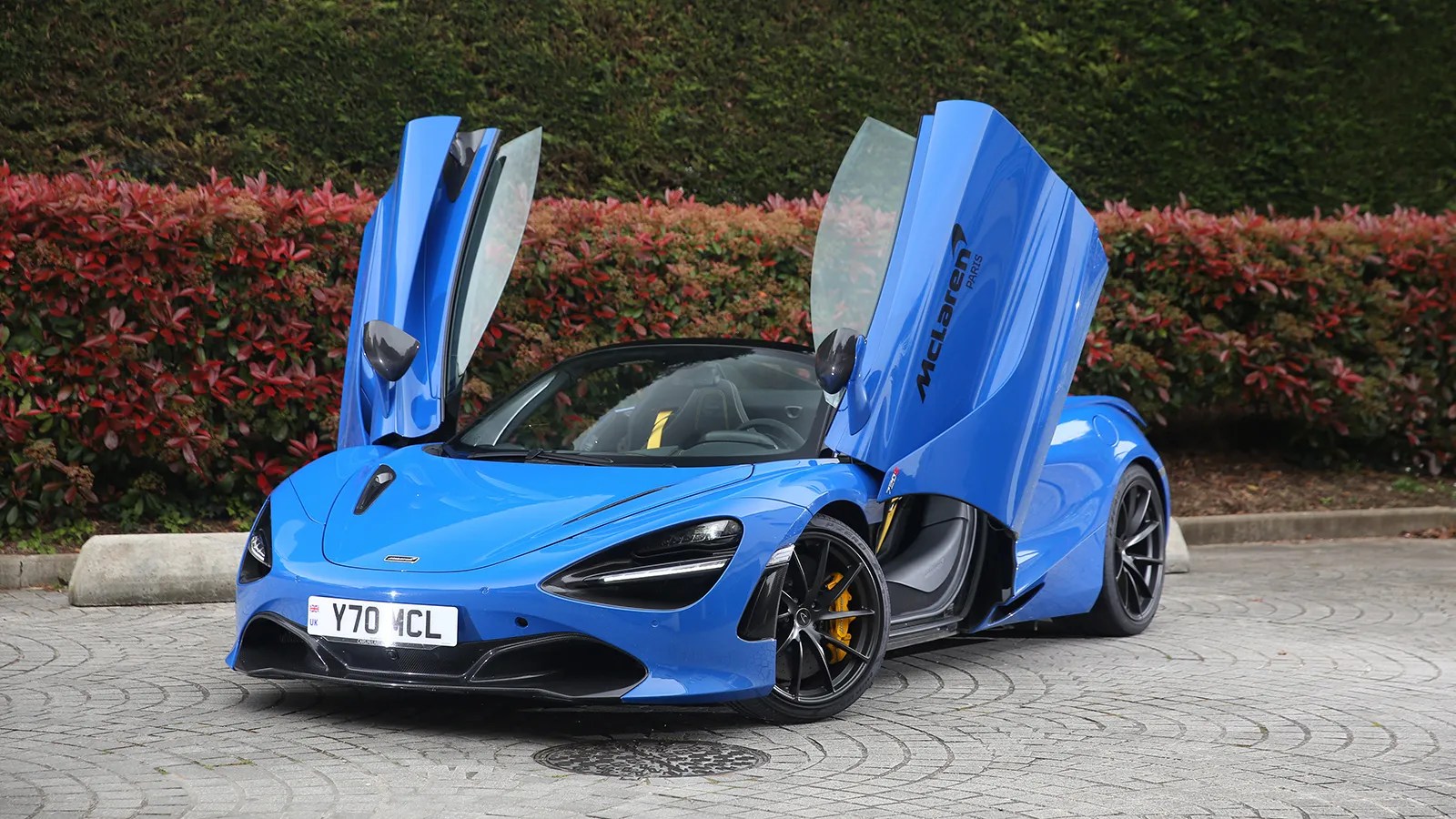
At the time of writing, when comparing it especially to its predecessor, the 488 Pista which is a much more hardcore car, the F8 looked very much like a bargain at the EUR 250-260.000 cars then started. That was reinforced by the McLaren 720s that I still think about as the closest competitor, being slightly more expensive. Today, I can only say that I should have acted according to my beliefs, since EUR 290-300.000 is where prices start today, only six months later. And earlier this year production of the F8 ended, so my guess would be that the F8 continues on that trajectory.

The McLaren 720S that I compared the F8 to on the other hand, keeps losing value.

To come back to those disclaimers we like to use in finance, this is of course only what the market looks now, and given this blog has a global audience, it’s important to say that this is written from a European perspective and there may certainly be price differences between this and other regions. Let me also remind you of my post from two weeks ago where I mentioned not only the importance of buying at the right price, but also not to forget associated costs for maintenance storing, etc.

Then again,disclaimers have never been any fun, so that would be a boring way to end the story. A slightly bolder statement is therefore that Ferraris which are something special, such as both the F430 and the F8, will most probably at least hold their value very well. And at EUR 20-25.000, an Alfa Spider remains very much a bargain that will also not break the bank if something goes wrong. Therefore, whichever segment you’re in, congratulations if you’re in the market, choose wisely, and enjoy the summer!

All I want for the New Year is…

you! Well, it’s actually not you in any capacity beyond that as reader and for that, let me start with a big thank you to all of those reading these lines. In 2022 you have been more numerous than ever before, more precisely three times as many than in 2021, hopefully proving the blog is more than a pandemic distraction! Most of you are American, followed by the UK and my native Sweden. Not sure how we got there, but happy you are so many and also that you can live with the metric system in all numbers. On a more exotic note, I’m also thrilled to have almost 5% of readers from India and around 3% from South Africa, so it seems this has really become a global blog!

In terms of posts it also seems the mix of classic cars and more modern sports cars hits the mark in terms of your interest, and among the newer cars, it’s interesting to see that the buying opportunities, if I may call them that, seem to be of particular interest. My post on the Ferrari F8 being a bit of a bargain from January saw large interest and as a small update, whereas the F8’s were trading more or less at their (base) sales price of EUR 250-260′ at the time, that starting price is now 10% higher in Europe, with options obviously driving the price of many cars very much higher. So if you trusted me there, congratulations! More recently, my post from as late as last week on the best sports cars for 130′ has also seen a lot of interest. This brings us to my first wish for New Year, which is to ask you to click on the posts you read rather than just scroll down, as this then allows me to track closer what is of interest and thus produce a content in line with this.

The “bargain” F8 is now 10% more expensive…

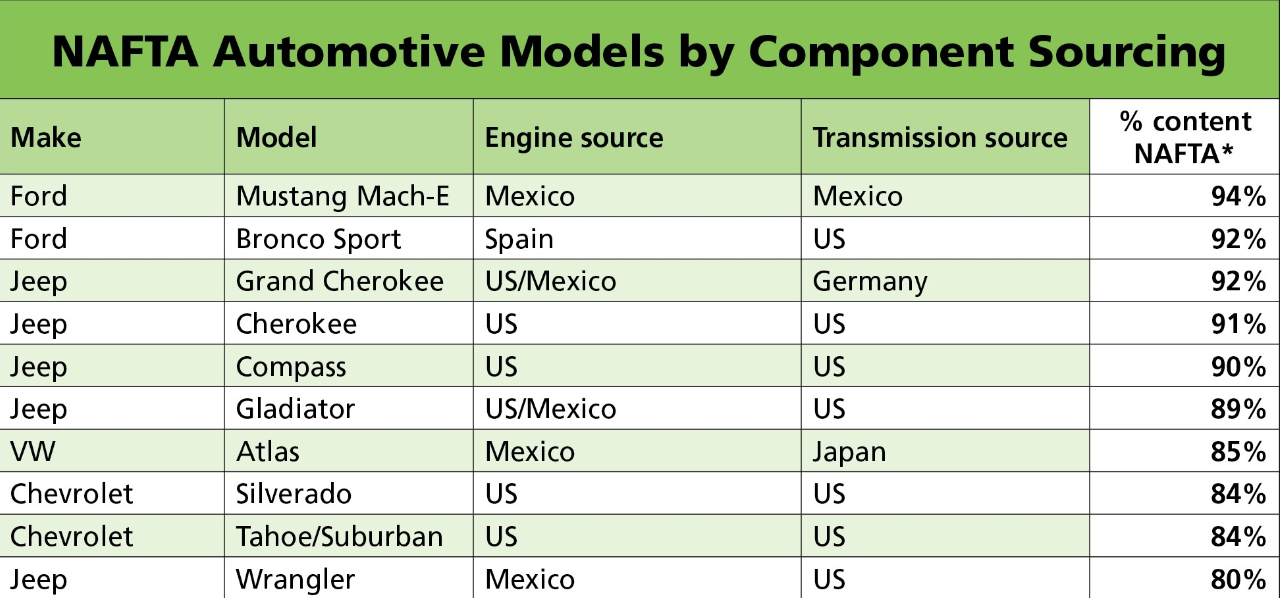
As we move into 2023, something that will affect US readers and drivers is no doubt Biden’s so called Inflation Reduction Act (IRA) which notably relates to NAFTA-related tariffs on foreign cars and trucks and will take effect in 2023 and 2024. Buy-green policies will also make electronic vehicles more affordable – as long as they’re built in North America. It goes without saying that most cars from non-US brands are not, so if you live in the US and plan to buy a new car next year, it will become expensive to go for a European… A small prediction for 2023 is that the EU will somehow retaliate against these measures, remains to be seen how.

It’s not clear yet what %-age of content will clear the new NAFTA limit, but these 10 should be safe (source: US Dep’t of Transportation).

Buy-green in the US and various measures across European countries will also make it cheaper to buy EV’s. This goes from outright subsidies to various tax incentives. Everyone seems set on this, from politicians to manufacturers, with little thought to any back side of this whole endeavour, as notably described in my “nail in the coffin for EV’s” post from a few weeks ago. In a few weeks there’s a small chance that this changes with the publication of the book “Cobalt Red” by Siddhart Kara. Kara has done what all EV buyers should, namely travelled to the cobalt mines in the Congo, often at severe risk to his own life. What he discovered there is beyond belief for anyone thinking the world has moved on since Belgian King Leopold reigned in terror over the former colony. At the time, it was the hunt rubber that fueled the terror. Today, rubber has been replaced by cobalt, but the victims are the same.

Kara was recently on Joe Rogan’s podcast, link here, and my second wish for the New Year is that you please take the time to listen to the podcast and/or read the book and spread the word, as a small gesture to the children at the bottom of the cobalt mines, far away from the boardrooms and marketing literature of EV manufacturers, or ignorant politicians who just buy into the green story without knowledge of any afterthought to maximize the number of votes.

A picture of a cobalt mine in the DRC, from Siddhart Kara’s upcoming book “Cobalt Red”.

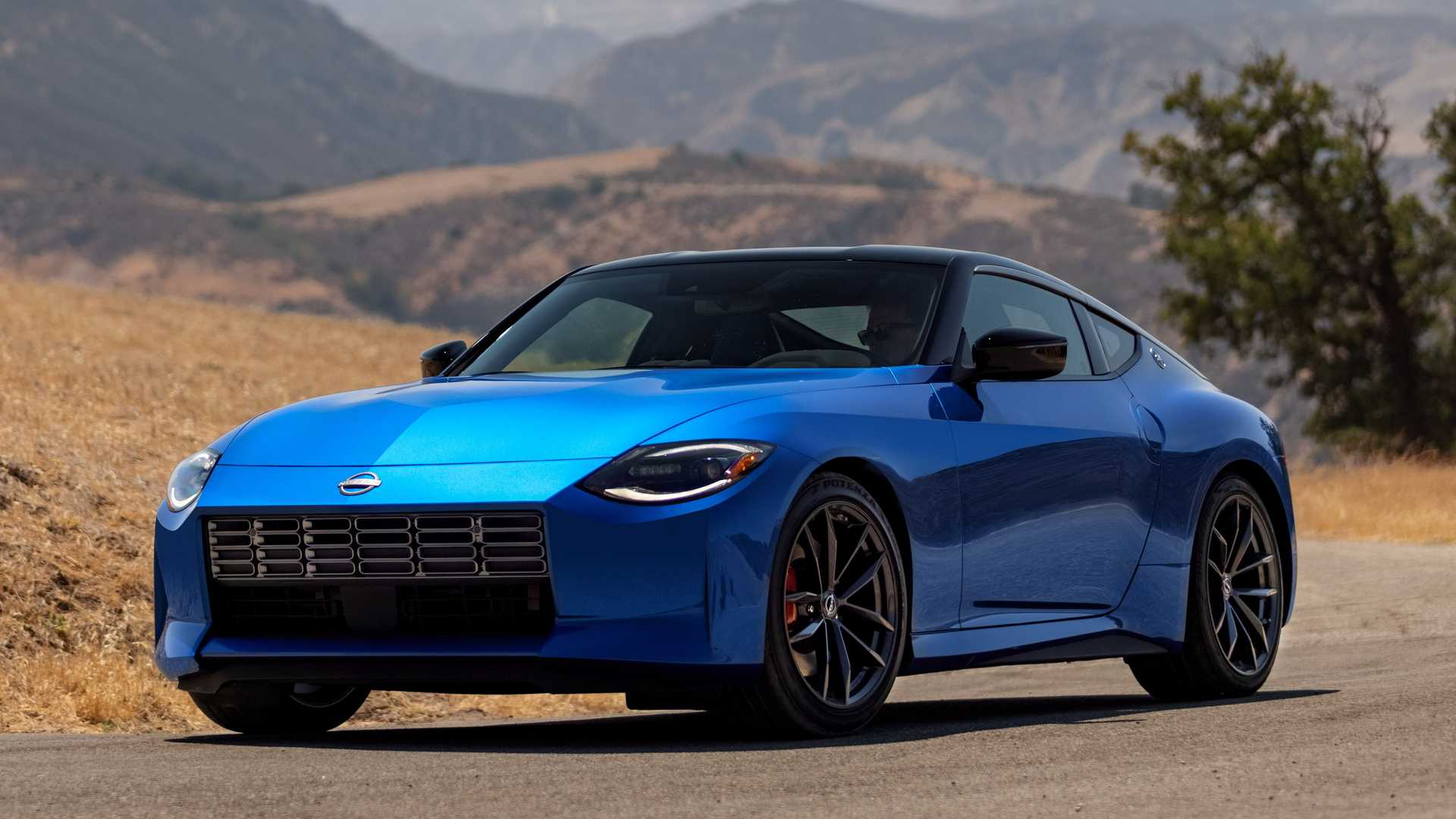
So what does the new year have in store for us on the car front? Firstly there will be a number of new EV’s, of which I find Lotus’s new Eletre the most exciting, together with the potential roll-out of Lucid Motors in Europe (se my post here from my visit to their showroom in New York in October). Ferrari’s new Purosangue that we looked at a few weeks ago is no doubt the most exciting SUV, and in Europe, the Z06 version of the Corvette C8 will be introduced as it’s already been in the US. First impressions from there seem to indicate it’s a real track weapon and although still a bargain compared to similar German and Italian cars, less so than the excellent C8 that I look forward to driving soon! The other notable sports car that will see the light of day is Nissan’s new Z, of which we know that it will have a V6 engine, a nice change to the trend of even more four-cylinder engines powering everything from hot hatches to larger SUV’s.

Looks the part and definitely looks like a Z!

If you read this on Sunday on the day of publication on 1 January, I hope you’ve had a nice New Year’s party, that the hangover isn’t too bad and above all, that you’ll have a fantastic 2023 with many great drives! I’m sure you’ll join me in wishing that the war in Ukraine and the suffering finally comes to an end somehow, that inflation hereby falls back and that by some stroke of magic, one of the e-fuel projects pursued notably by Porsche reaches industrial scale much earlier than expected, so that we get a real alternative to the unethical EV’s. Many thanks again for your trust and for following the blog, please don’t hesitate to provide any suggestions or recommendations on themes or cars here below, and see you next week for the first post written in 2023, and a Happy New Year to you all!