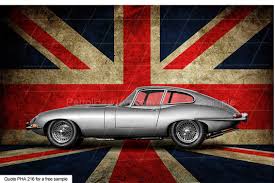
I travel quite frequently to London on business and on my last trip a few weeks ago, I had some time to escape the work routine and actually enjoy the city a bit. Of course, London is just as little representative of the UK as New York is of the US. Still, the things we consider as British are very present in London as well: rain for one, especially at this time of year, but then also the pubs, the Guinness they serve, the men in tweed jackets who drink it… And then, there’s of course the cars. Rolls Royce, Bentley and Aston Martin certainly rank as more fancy, but the brand most people associate with the UK, and also the one most of us can reasonably aspire to, is Jaguar.

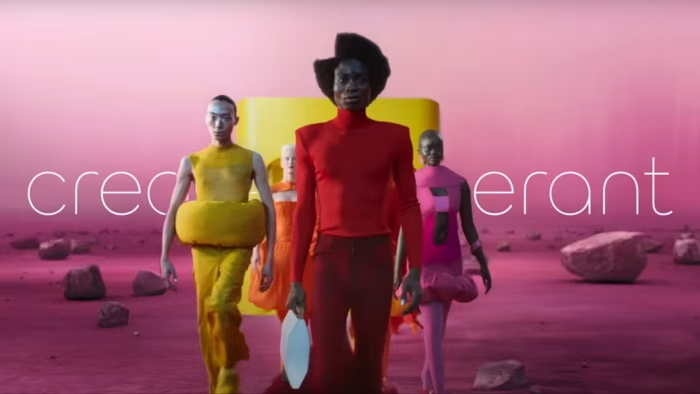
Unless you’ve lived under a rock the last two weeks, you’ve no doubt seen the storm erupting over the video announcing Jaguar’s re-branding. To say that it’s been criticized is a serious understatement. Everything, from the androgyne AI-like people, over the fact that no cars are shown, to the new logo: Jaguar lovers (of which all of a sudden, there seems to be a suprisingly large number) have been on the barricades over the sacrilege of destroying Jaguar’s image and by extension, the Britain they cherish. And since we’re on video clips, this one illustrates that view pretty well.
You certainly don’t need me to write yet another post on how terrible the rebranding is, there’s already plenty of those around. And actually, even though I believe Jaguar’s (I’ll still write that with a capital J, thank you very much) days are counted, I’m not sure the rebranding is the cause. Because just as little as the UK can today be summarized as a pint of Guinness in a tweed jacket or whatever way Jeremy Clarkson would like it to be, Jaguar was very far from a healthy car brand to start with. And, whetheryou like it or not, Britain has moved on, as has the rest of the world.
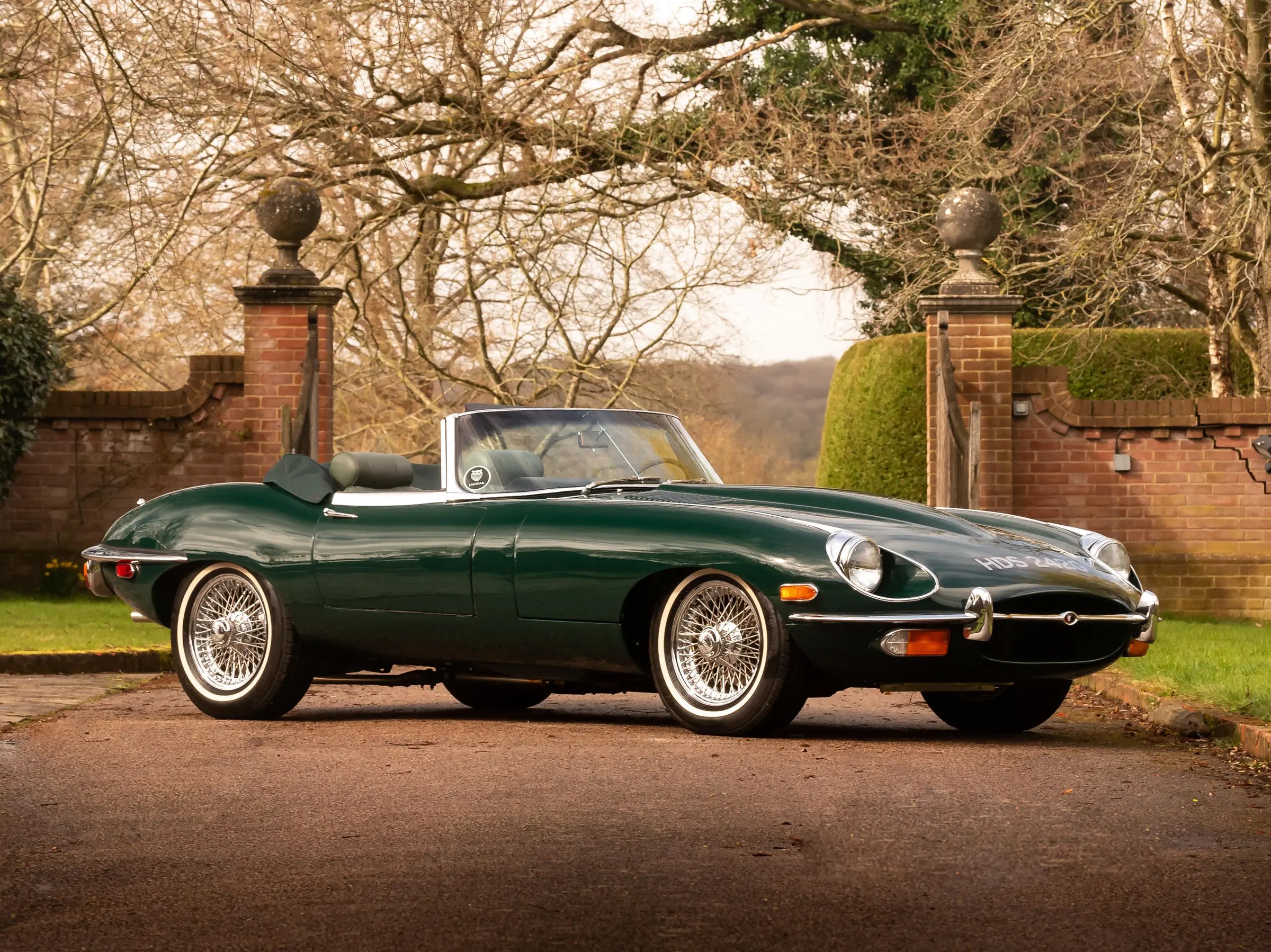
Jaguar is part of the Land Rover group, which in turn is owned by the Indian Tata Group. However, contrary to Land Rover itself who under Tata has profited, and continues to profit from the SUV trend, Jaguar’s model line-up hasn’t really done so. There were two small SUV’s, the E-Pace and the F-Pace, both of which are quite alright (and one of those especially so, more on that below) but also quite far from the British spirit described above and also from the the poise of the Land Rover line-up, which I guess you could call less understated and far more in your face design-wise, which seems to be what people want.
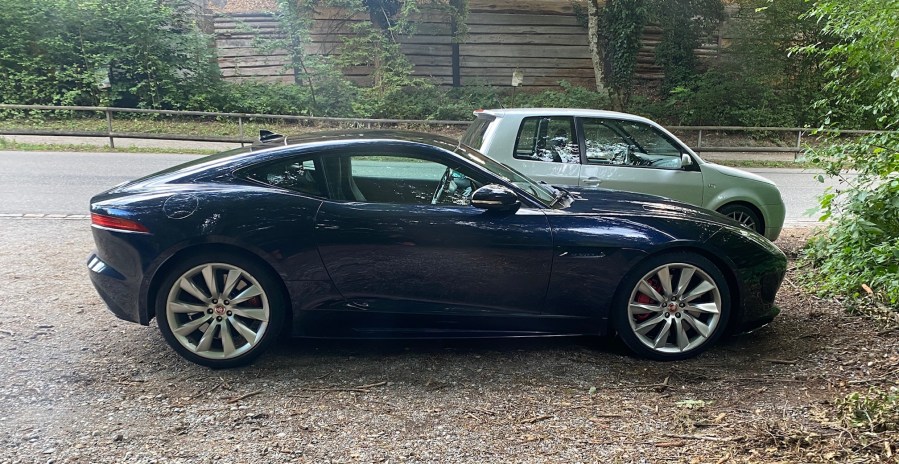
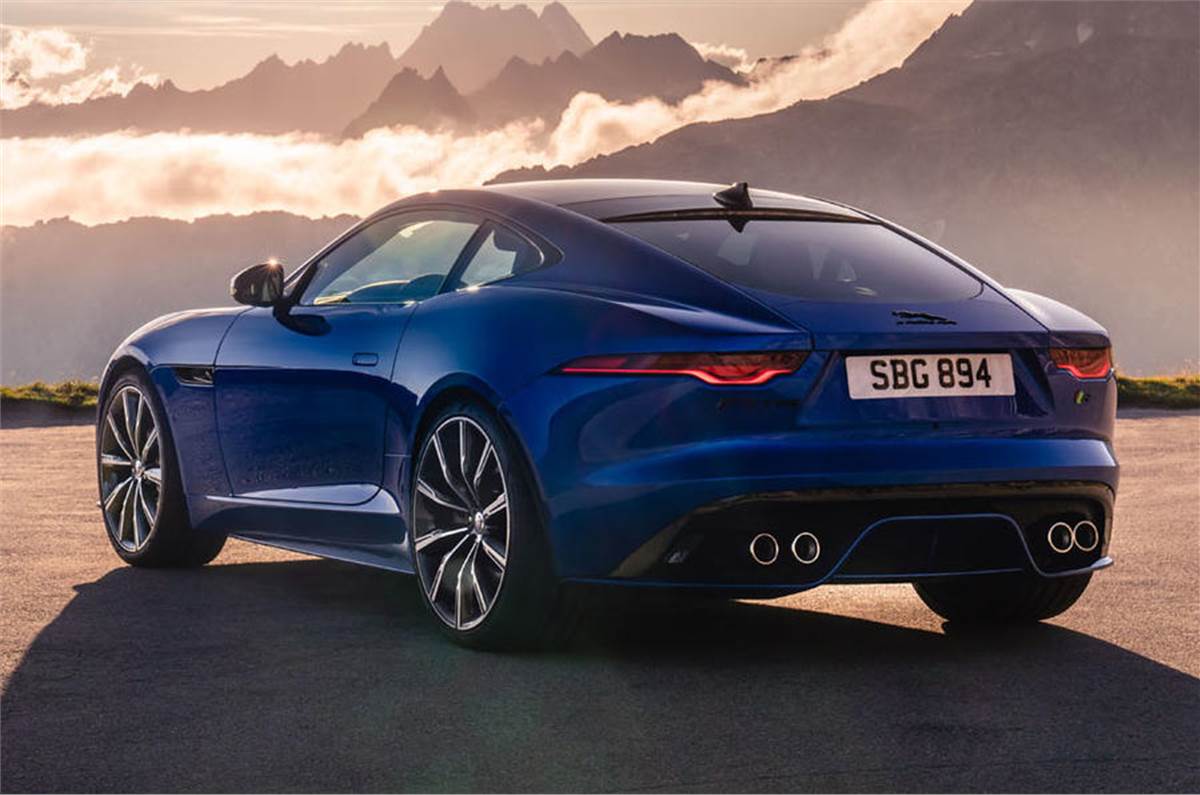
Then there was the I-Pace, an EV SUV which wasn’t very remarkable at all. The four-door XE sedan and XF station wagon were even less interesting, and the line-up was rounded off by the only car Jaguar really deserve credit for, namely the F-type coupé and roadster. However, the F-Type is a 10-year old model by now and thus one due for replacement quite soon, and anyway a two-seat sports car is not something a brand can build its existence on.

To summarize all of this in numbers, Jaguar sold around 150.000 cars in 2019, a number that they couldn’t have survived on long-term, had they remained a stand-alone brand. This year, that number was down to 50.000 cars before Jaguar earlier this year suspended all new car sales, hence the usage of past tense in the paragraphs above. They do this to re-launch – surprise surprise – as a fully electric brand in 2026, which is of course what the rebranding campaign is meant to illustrate.
Jaguar was thus quite far from doing well at the launch of this campaign, and anyway, very few marketing campaigns through the years have had enough effect to make or break a brand, as some of the comments around this would have you believe. I’d even question whether rebranding in Jaguar’s case is such a bad idea, when you see the convulsions some car brands have ended up in, trying to combine EV’s and ICE’s. If your ICE sales numbers are dipping and your line-up is old and mostly uninspiring, and you’re convinced a new era is around the corner, maybe a rebranding is the right way to go?
Unfortunately, there is a couple of issues. The first of those is timing, and the second is a five-litre V8. Starting with timing, my reasoning would have been far more convincing had this happened two-three years ago, when everyone (well, almost) was still convinced that EV’s would take over the world. Now, we’re at a stage where EV sales are crumbling in every single market (except perhaps China where to put it mildly, you can force people’s hand…), and car manufacturers are doing all they can to pedal back on their “full EV” commitments. In that market, Jaguar now wakes up and goes full EV in a way that doesn’t allow for any pedaling back, should it not succeed.
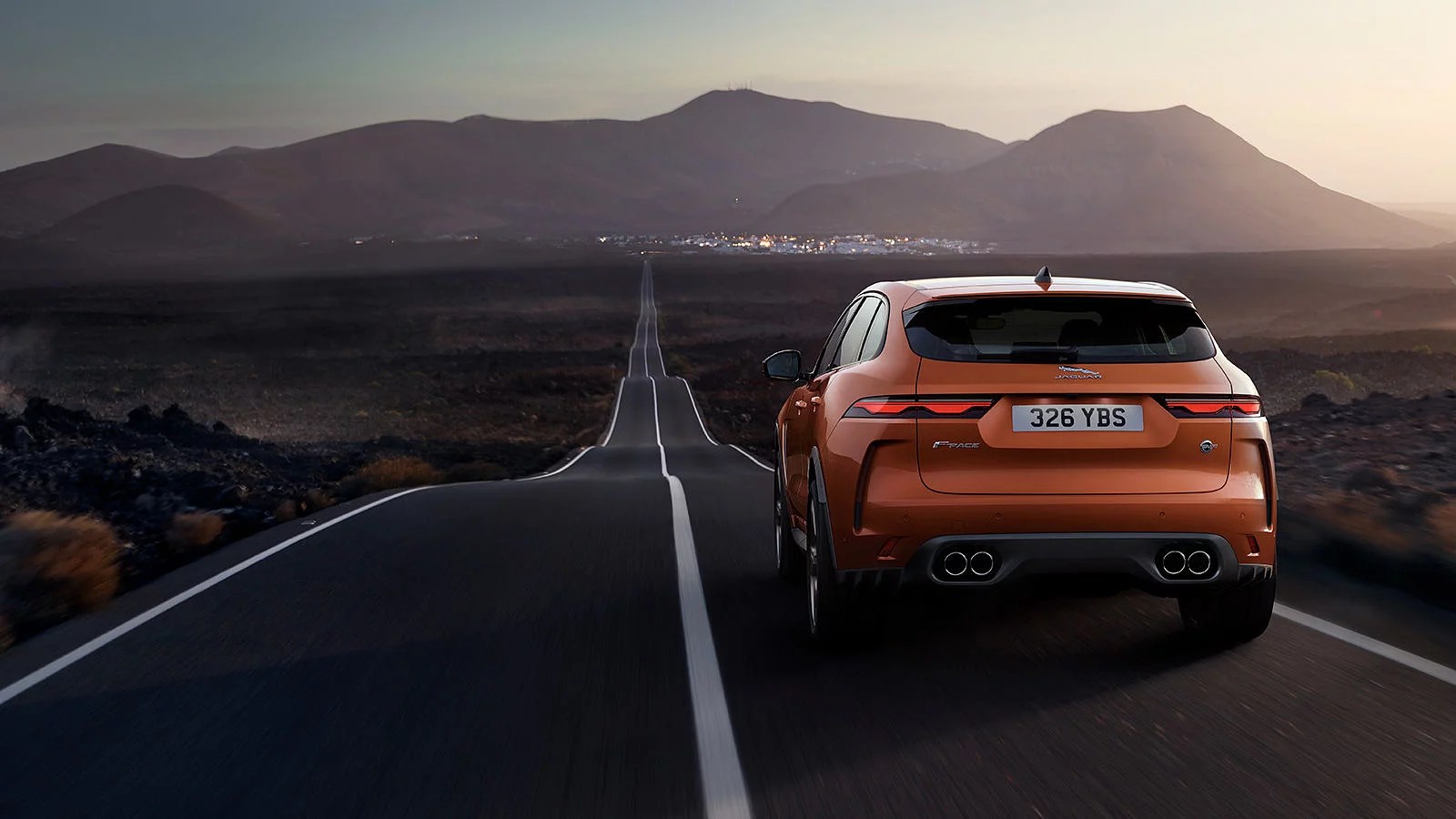
Then, there’s the five-litre compressor V8 that is one of the greatest engines out there. I had it in my Range and in the Jaguar line-up, it’s fitted in the top-of-the-range F-Type and F-Pace models. The F-Pace received quite a complete overhaul in 2022 and the five-litre V8 version called SVR has had motor journalists drooling all over it, calling it the best small SUV out there, and perhaps the best car in the market in terms of engine sound. That’s a sound it shares with the F-Type, a less spectacular but very capable coupé-roadster in an attractive packaging.
Jaguar has thus sacrificed two great V8 models for a full EV experiment, debuting not now, but in two years, but already now being two-three years late. They do so with cars that so far no one has seen, but that they claime will be REALLY luxurious, and REALLY expensive. If you’re wondering how that could possibly go well, you’re not the only one. But it’s the full strategy they’ve embarked on, rather than a rebranding campaign or a new logo, that is Jaguar’s real problem.
Meanwhile, for all intents and purposes, what we used to know as Jaguar just ceased as a brand, meaning that if you can track down a new F-Type or F-Pace in V8 form, you could be down for the deal of your life, since dealers will be really anxious to get these out of their shops. And in the pre-owned market, I strongly suspect both of those will hold their value better than most at their respective, depreciated price point, and especially in the case of the F-Type, perhaps even become a collectible down the line. Until that day comes, I promise you’ll never get tired of listening to that V8!


 The Thrill of Driving