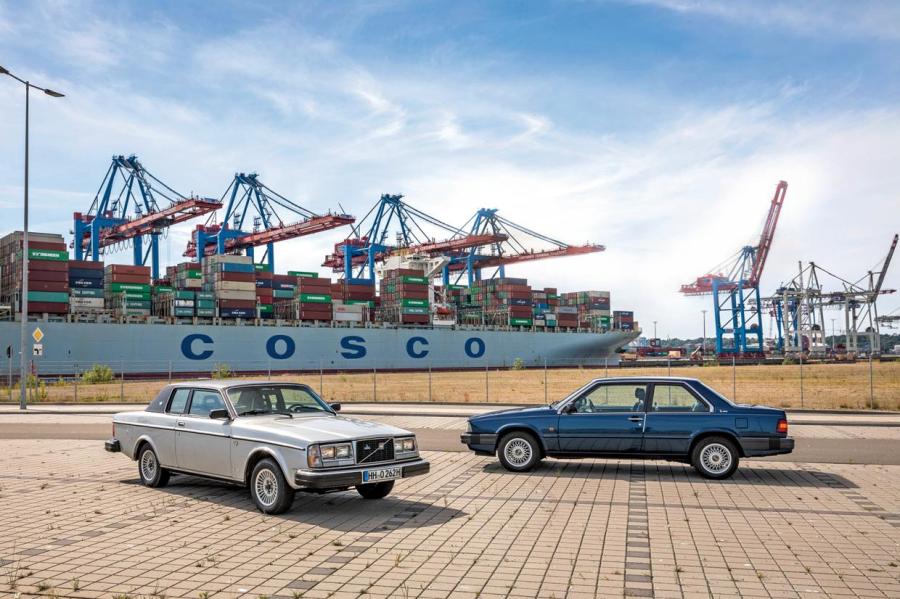
One of my earliest and most vivid childhood meomories dates back to 1977 or 1978, and of course involves a car. Much like me, my father changed his wheels fairly often and had just become the proud owner of a white Volvo 142. As he made clear to everyone around, that “2” was awfully important, since it meant two doors, i.e. a coupe and not a boring four-door sedan. A coupe signalled sportiness and class!
Unfortunately, dad’s new sports coupe was an automatic, and soon after his purchase, when we reached Germany on a drive from from Sweden to southern Europe, the gear box got stuck in second gear. Driving through all of Germany on an unrestricted Autobahn in second gear is not something I would recommend to anyone, but at least, as this text is proof of, it’s an experience you won’t forget. We made it in the end, but the Volvo was soon replaced – by a somewhat sportier BMW 3-series coupe.
At around the same time, Volvo realized that it wasn’t only my father who had a weak spot for coupes, and decided to become a bit more serious about their offering in the segment. Not that they were fully new to it; the P1800, presented in 1961, was then as now one of the most beautiful cars ever built. But the P1800 was more tilted towards sportiniess, at least visually, than what Volvo now had in mind. 1977 was also the year of the brand’s 50th birthday. What better way to celebrate it than with a new coupe?
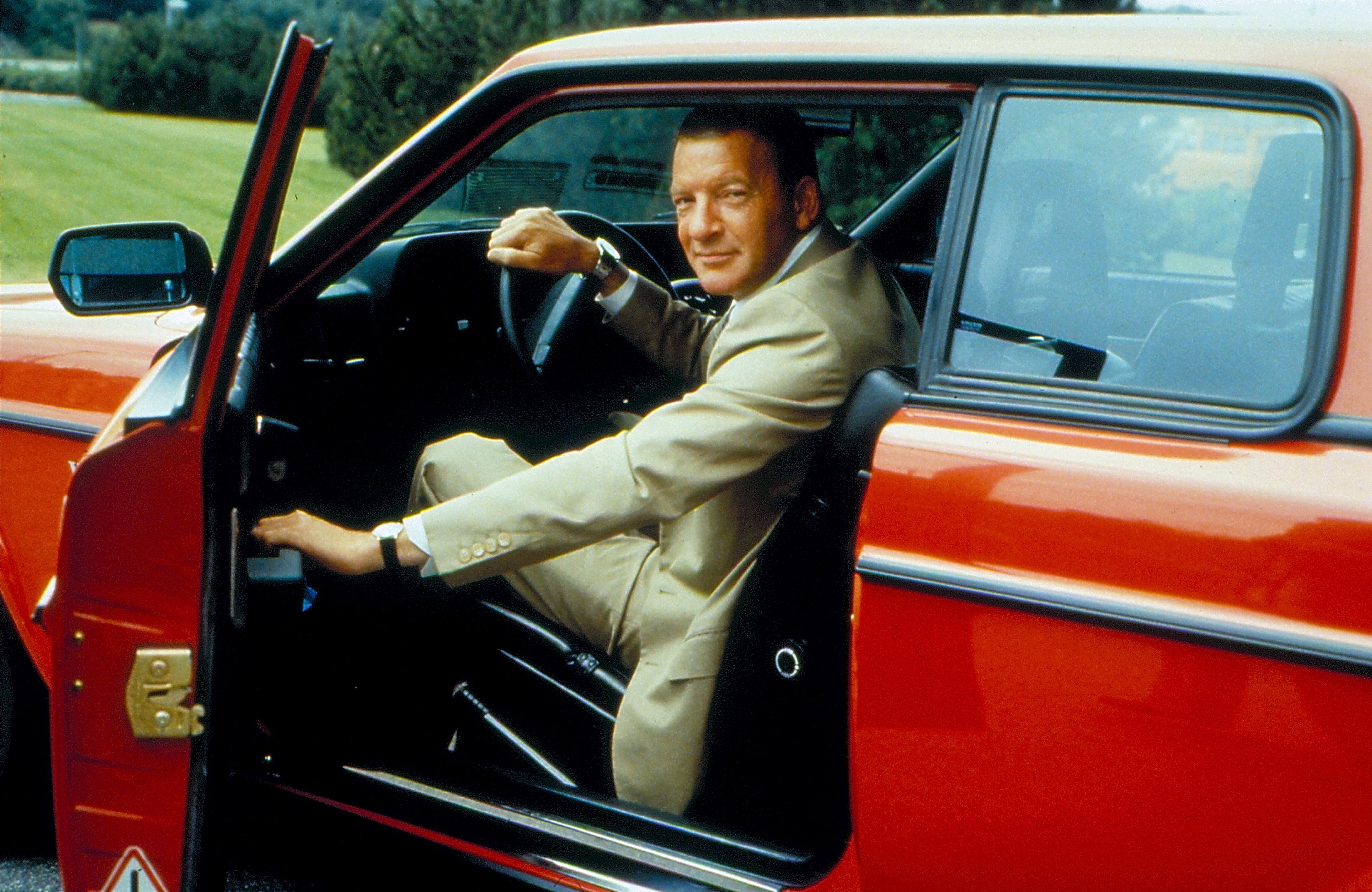
“Volvo” in this instance means its president, Pehr G Gyllenhammar, one of the grand old men of Sweden’s corporate scene and a rather loud and somewhat controversial figure. Gyllenhammar had a personality that was definitely if not larger than life, than at least larger than Sweden, and he had recently spent time in the US admiring the cool Eldorados and other luxury US coupes. In his mind, a similar car would help the Volvo brand move upmarket.
To say that the plan to build a luxury coupe was intuitive and went down well with everyone in the factory on Hisingen, the island close to Gothenburg where Volvo was built, would be exagerated. A coupe was not practical, safe and reasonably priced, all factors Volvo’s image at the time were built on. Esthetics and sexiness was not something the Volvo traditionalists had ever paid attention to or felt comfortable with.
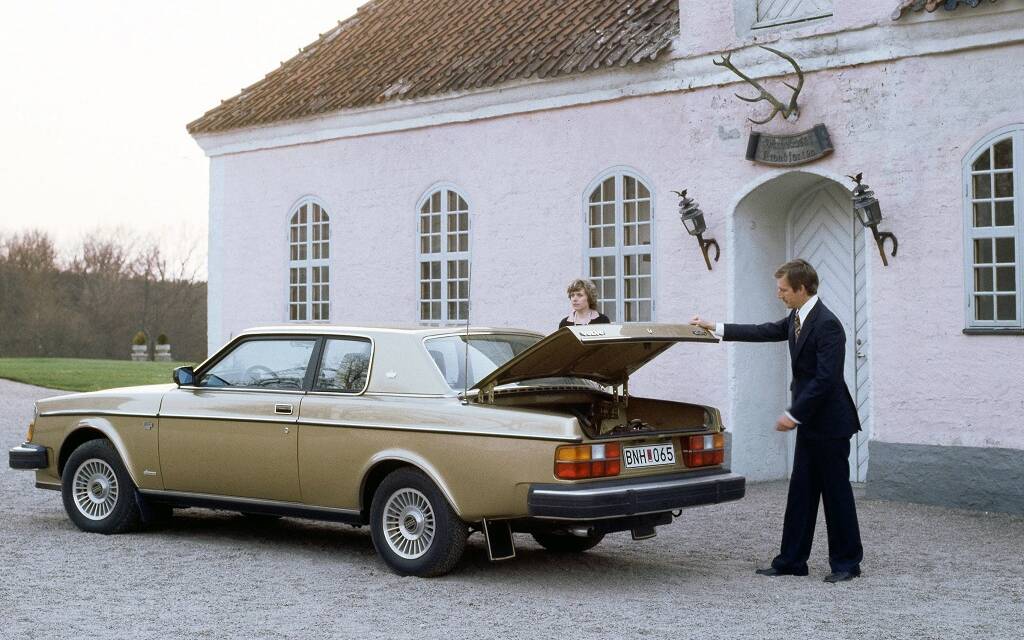
Gyllenhammar, who was CEO of Volvo during 20 years until 1990 and chairman until 1993, was however not someone who took no for an answer. The result was the Volvo 262C by Bertone, launched in 1977. And if the difference between my dad’s Volvo 142 and the corresponding sedan had only been two doors, the changes to the 262C over a regular 242 (the successor to the 142) were at least somewhat more important. Most strikingly, they involved a much lower roofline.
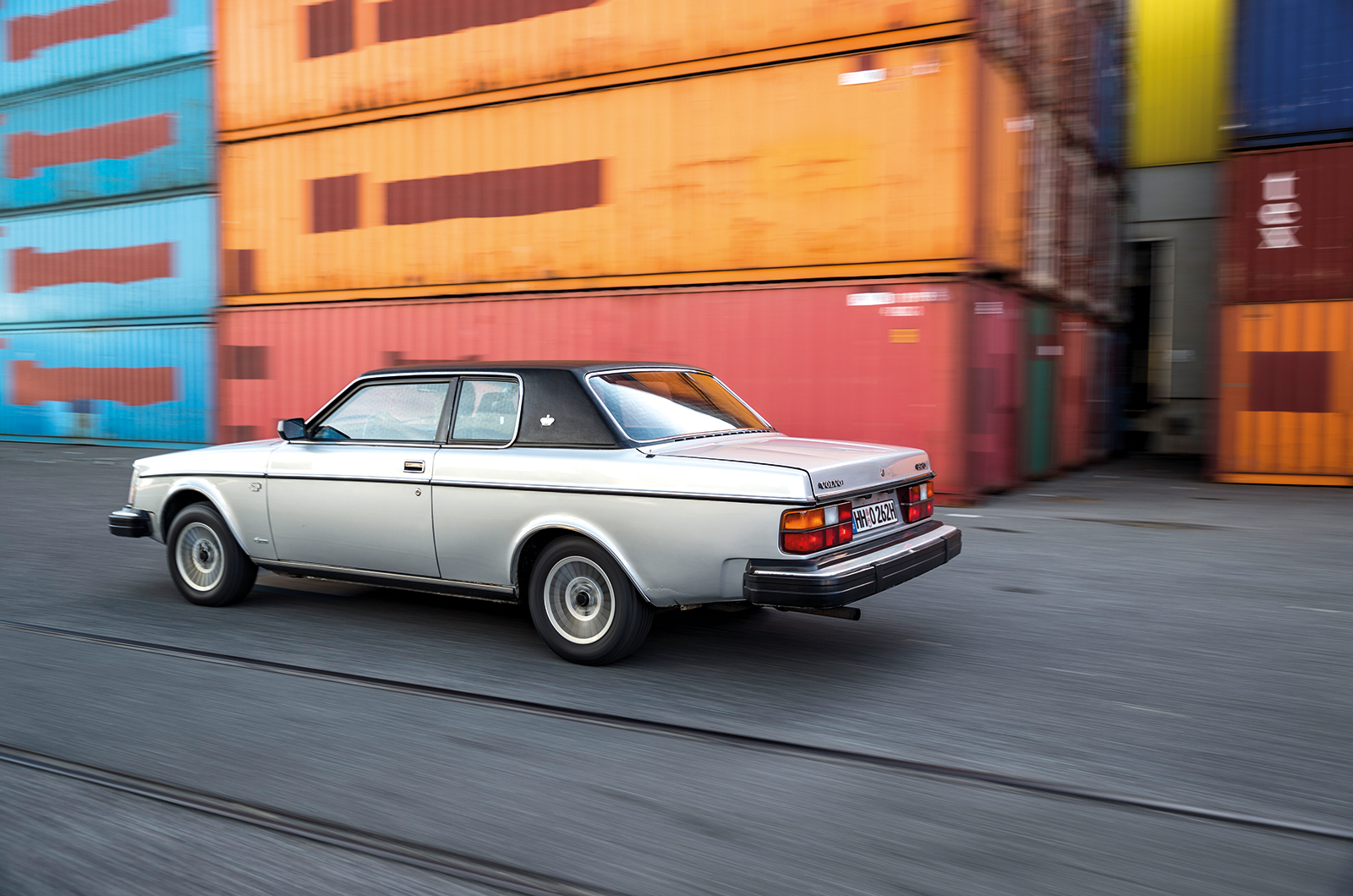
The 262’s roof pillars were cut by 6cm and the c-pillar design was changed. This gave the car a strange profile, somewhere between a custom car if you’re generous, and something that had been driven under a too low bridge if you’re less so. Practically, the lowered roof meant less passenger headroom and smaller windows, in an interior where Volvo had thrown in all the bells and whistles it had at the time.
Of course bells and whistles in the 70’s wasn’t the same as today, but it included a plush leather interior and comfort features like cruise control, air condition and electric windows. None of these were standard on other Volvos, and the 262C was by far the most luxurious Volvo ever built.
It was also the most expensive, by a margin. Priced in the US at 16′ USD at launch, it cost more than a BMW 528i (not a coupe but, well, a BMW) or a Cadillac Eldorado. Volvo tried to motivate the price by making a big story of the collaboration with the Italian design house Bertone. However, Bertone didn’t lead the design of the car, they were merely advisors to it.
Instead, the 262C was designed by Volvo’s own Jan Wilsgaard, the man behind practically all Volvos from the Amazon to the 850. Bertone did however assemble the 262C in their Turin factory. In the official name 262C by Bertone, “by” thus refers to Bertone as assemblers, not designers.
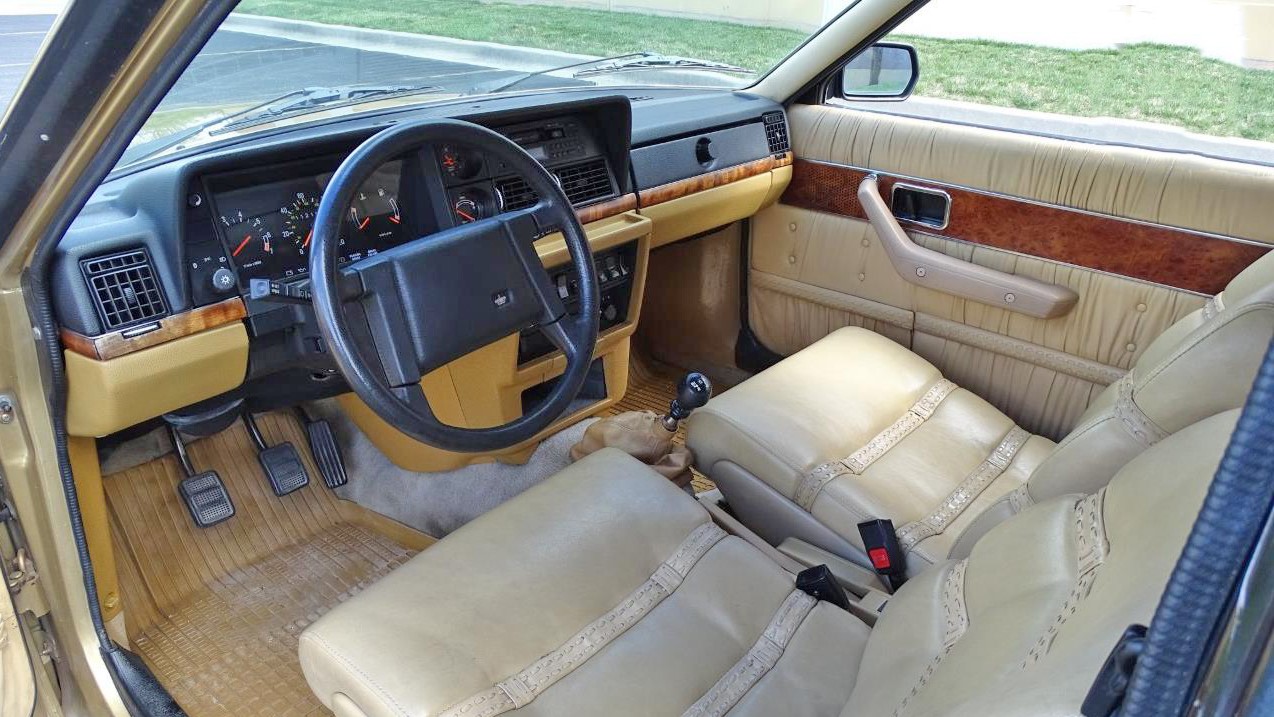
Once you got over the design, it didn’t take long to see that the 262 had quite a few issues that you may not have expected at that price point. The car was still very much a Volvo that didn’t offer any more driving pleasure or power than the standard car it was based on.
Apart from the leather and wood trim, the interior was the same, including the black, plastic dash. The rather uninspired and loud 2.7 litre V6 PRV engine, developed by Volvo together with Renault and Peugeot, only delivered a paltry 140 hp and the 3-speed auto box it was combined with was not the sportiest. For what it offered, the 262C was too expensive, and over four years of production, only 6.600 cars were built with around 5.000 of those going to the US.
The number of cars produced make the 262C sound like a failure, but that’s not how Volvo and especially CEO Gyllenhammar saw it. For him, the 262C had never been intended to sell on volume. As mentioned initially, Gyllenhammar wantd an eye-catcher, a halo car through which Volvo’s image would be lifted. If the odd celebrity or successful Wall Street guy could be spotted driving a 262C, people would look differently at Volvo. At least in theory.
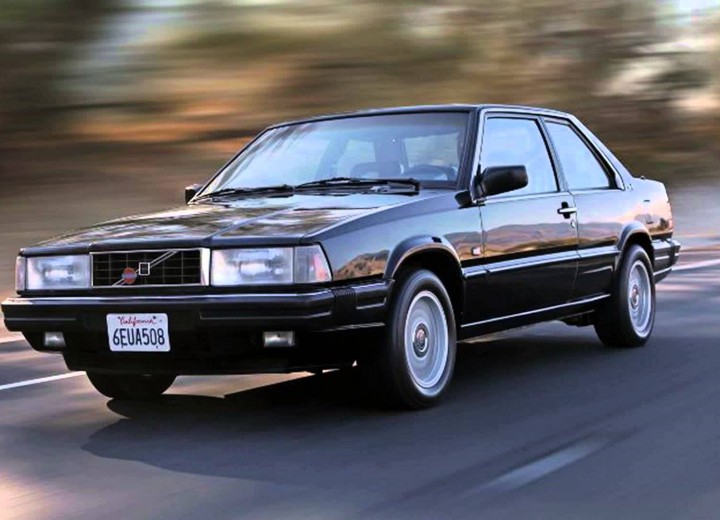
A few years later, in the early 80’s, Volvo launched the 7-series which would prove far more effective at moving the brand upmarket than the 262C had ever been. The 7-series had also taken a lot of inspiration from the US, and again, Volvo and Gyllenhammar were set on performing the same coupe trick. This time, however, they went about it in a far better way.
As a starting point, the 7-series was far superior to the preceding 2-series. Also, and even more importantly, the new coupe that would be called the 780 Bertone was its own design with not a single body panel in common with the regular 7-series sedan. This time, Volvo also had the good sense of leaving the design work to Bertone, not just (but also) the assembly.
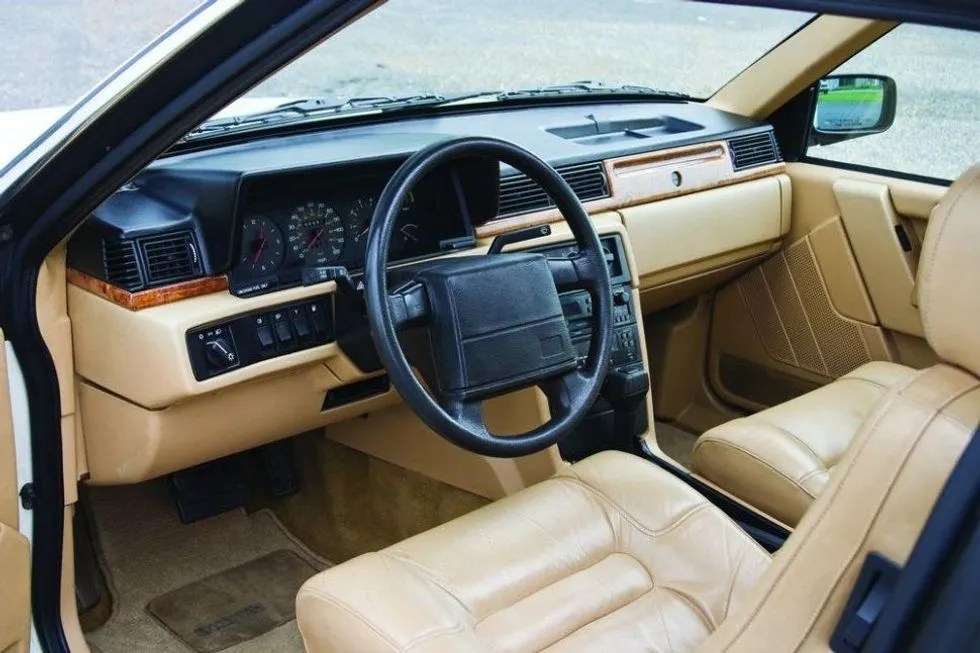
The result was a car that wasn’t intended to compete with the sportiness of a BMW 6-series, but rather present itself as an individualistic, luxury coupe choice. The 780 has a pretty, if somewhat anonymous design, with a deeper front and softer edges than the 7-series. It’s unmistakably a Volvo, just like Gyllenhammar wanted it. The interior was also far more luxurious, putting it far above a regular 7-series and miles ahead of its predecessor, the 262C.
If Volvo had stayed true to their naming convention (the three numbers meaning series-cylinders-doors), I guess the new coupe would have had a V8 up front and no doors. In reality Volvo never had any plans for a V8 and why they broke the naming convention isn’t fully clear, but at least the V6 engine was improved to remove some of its roughness and improve its power output. The ignition, injection, crankshaft and cylinder heads were all new, the volume was increased to 2.8 litres, and power to 156-170 hp depending on model year.
Still, those numbers weren’t very impressive, especially when you consider the weight of the V6 engine. That made the new four-cylinder, turbocharged engines Volvo were developing in the 80’s the better choice, especially the 2.3 turbo, a much lighter, modern four-pot with a higher power output of 177-192 hp. The four-cylinder not only made the 780 faster, but generally a more light-footed and better car.
The interior was also vastly better than it had been in the 262C. There was even more leather, now combined with wood, and far more comfort options. These notably included electric chairs, a sunroof, and last but not least, a cassette radio with a manual equalizer!
After the 780, Volvo’s collaboration with Bertone ended. The next Volvo coupe would be the far less interesting C70 in the late 90’s, then in collaboration with Tim Walkinshaw Racing, but that’s a different story. Whereas the 262C was more a production than a joint venture collaboration, the 780 was a true Italian job, and I would say one Bertone can be proud of.
Around 8.500 780’s were built between 1985-1990 and most of them were again sold to the US. Looking at the market today, that’s no doubt where you’re most likely to find either a 780 or a 262C, should you be the individualist, or for that matter, the Wall Street trader CEO Gyllenhammar had in mind.
If you’re in Europe, you will however still find some in Germany and Sweden. Of the 200 262C’s that were sold in total in its home market Sweden, 22 are still in traffic today. For the 780, the number is a bit more than a 100 cars. In both cases, many of these will however have been re-imported from the US.
Objectively, the choice between Volvo’s Italian jobs is an easy one – the 780 is no doubt the better car, especially with the 2.3 litre engine. Looking at it today though, I can’t help but think that the 262C is the cooler of the two Italians, and also the one that has the highest likelihood to be remembered by history. For better or worse, it really looks like nothing else, and especially, like no other Volvo ever did, and it still has a Bertone logo on the side…

