Today we’ll talk about the truly thrilling topic of how to make your next car purchase not the worst deal you’ve ever made, but rather the best one. And I’m not talking about an attractive financing rate or a smaller down payment. Rather, this is about how to buy cars that are better than what you see in the showroom today for 20-30% of the value.
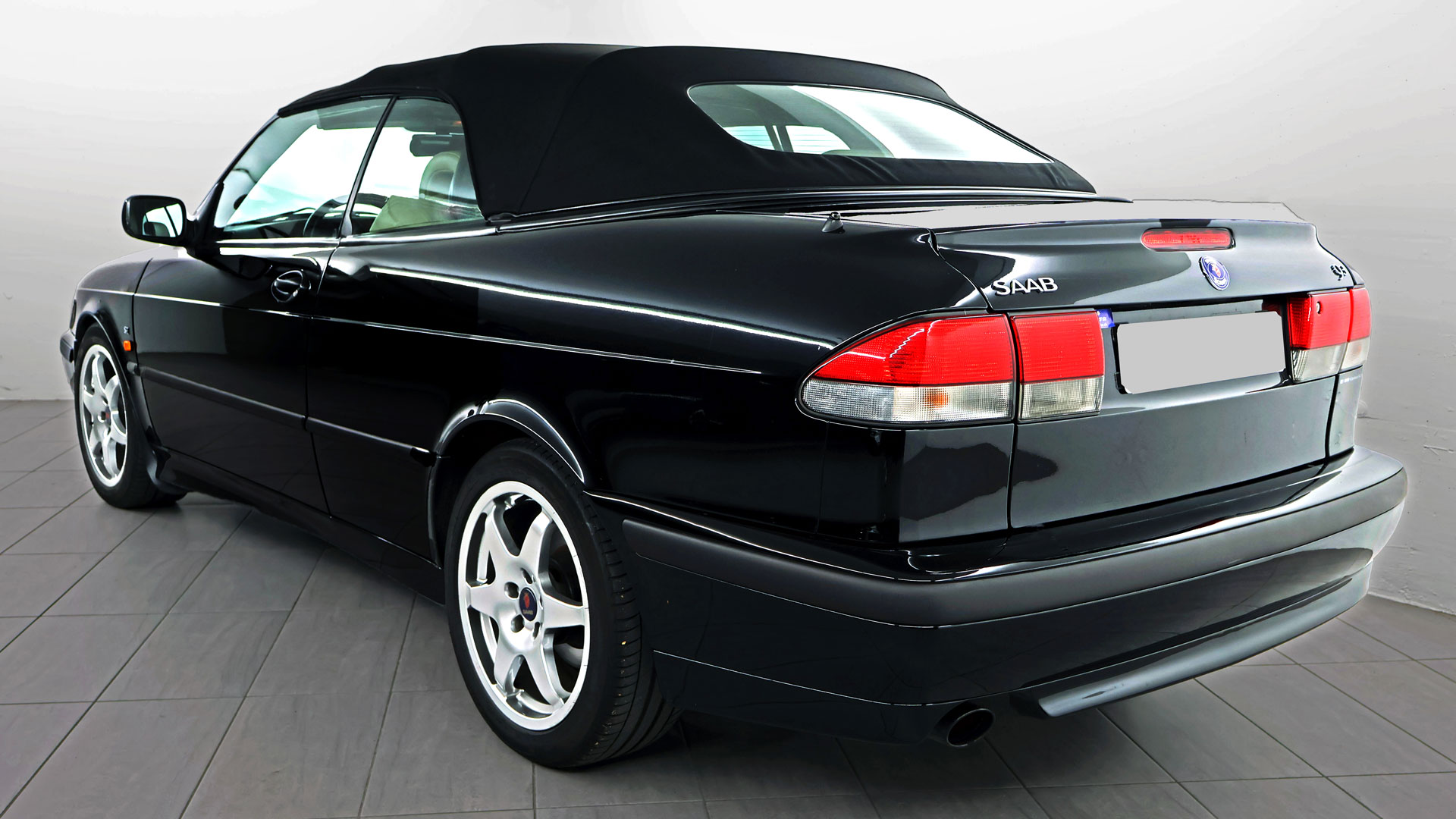
This is not a new theme on the blog but rather one that, as long time readers know, is very close to my heart. I haven’t bought a new car in over 20 years and probably never will again. The two new cars I’ve ever bought were in both cases only because we moved abroad and could thus get them tax-free. Interestingly both were also Saabs, one 9-3 with a roof and one without. I’ve never regretted the first, but the convertible was a great car.
The reason for bringing this up again is that not a day goes by without me seeing, on the street or online, a great set of wheels, the price of which is more ridiculous than it’s ever seemed before. I’m therefore really keen to make sure you don’t miss out on what is a truly great opportunity.
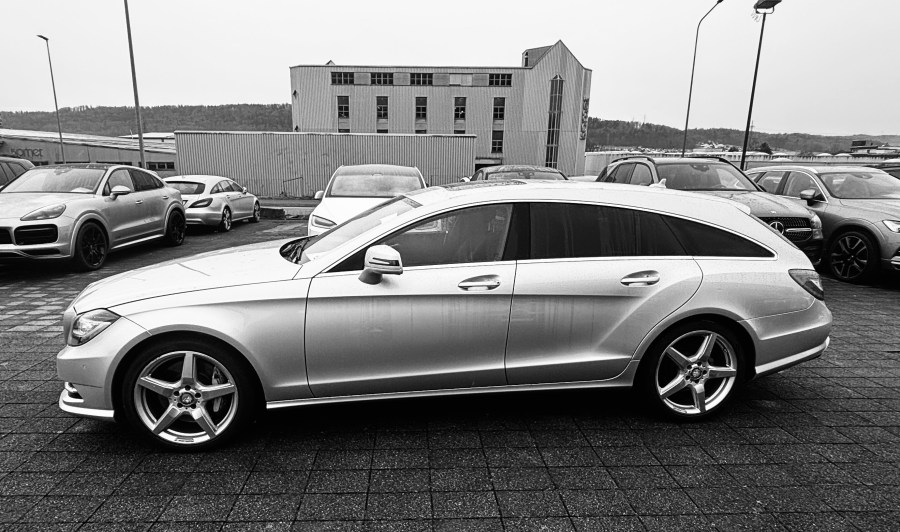
In the last 10 years I’ve owned five daily drivers: an AMG E63 -14 that I loved, an XC90 -19 that I hated, a Range Rover -13 that was wonderful but a bit too fat, and a BMW 540i Touring -19 that was clinical. And then six months ago, I bought my current daily, a 2014 MB CLS 500 Shooting Brake.
As I’ve written several times and you’ll see from the above, I believe peak car when it comes to daily transport was around 10 years ago. At that point cars were safe, of better quality than in previous decades (and, as was to become clear, also than in future ones!), and developed enough to have all the features that are useful, but none of the far less useful and far more intrusive ones we would get over the coming years.
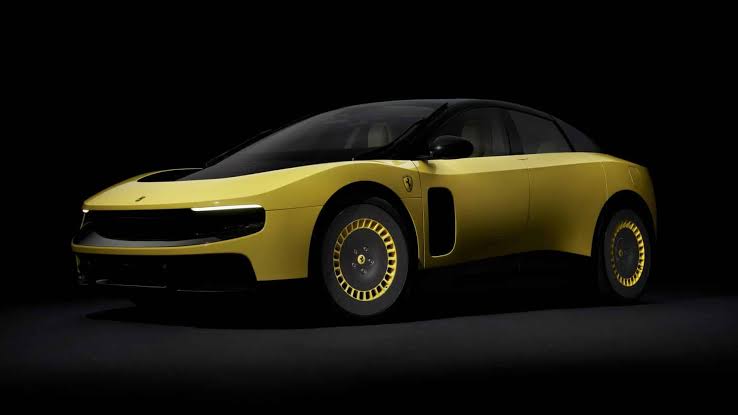
There is also a logic in this. 10 years ago is about when car development started becoming more about politics, directives and elecrrification than about satisfying buyer demand, and that’s where the development money went. ICE’s where set to disappear soon anyway.
That doesn’t change the fact that if you tell a normal person, i.e. not a car fanatic, that you’ve sold your relatively modern car and instead bought an older one, they will think you’re strange. Especially so in Switzerland and other countries where service packs are included with the purchase. Those typically last 100.000 kms, which surely means that after that, the car breaks down and gets awfully expensive to repair. Better to be on the safe side and buy a new one!
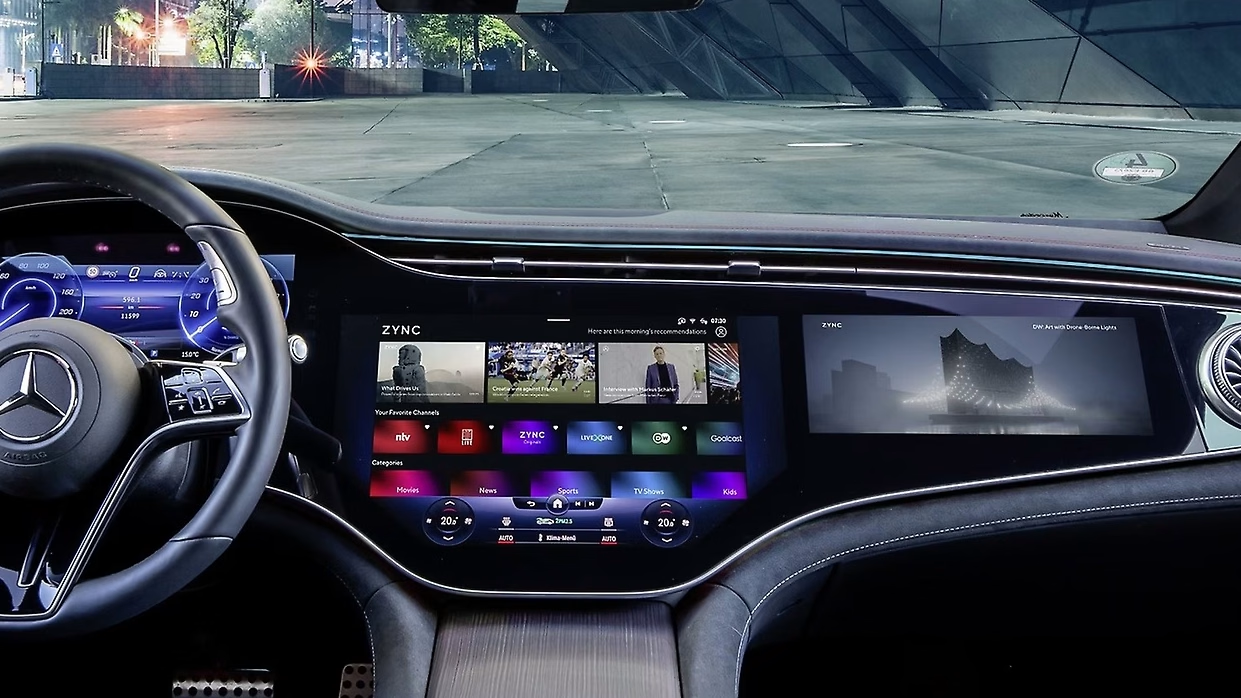
We in the car community should be thankful for all these less-informed people, or indeed, for all those who much like a modern car journalist judge the quality of a car by the size and speed of its infotainment screen. The more people buy these computers on wheels, the less they will buy the cars from a decade ago, leaving those of us who do with tremendous opportunities!
The last six months in my CLS are a brilliant example. The car is quieter and more comfortable than my 540i was. It has a far better Harman Kardon sound system, because as a car audiophile explained to me, sound systems in the last years have been more about producing light loudspeakers than well-sounding ones.
The list goes on. The interior materials are incomparable, and the exterior paint is far thicker. And that wonderful, bi-turbo V8 putting out 408 hp consumes less than a litre more per 100 km than the less powerful and character-lacking straight six I had in the 540i. And of course, at the price I bought it for, depreciation isn’t even anything you need to consider – should there be any.
For memory, I bought the CLS with full history from one owner with 107.000 kms on the clock, one year full warranty and a complete service book for about 20% if its price as new. Can a 10-year old car break down? Of course, but if you pay ridiculous money to buy it, you’ll have some reserves if it does. So far, it hasn’t.
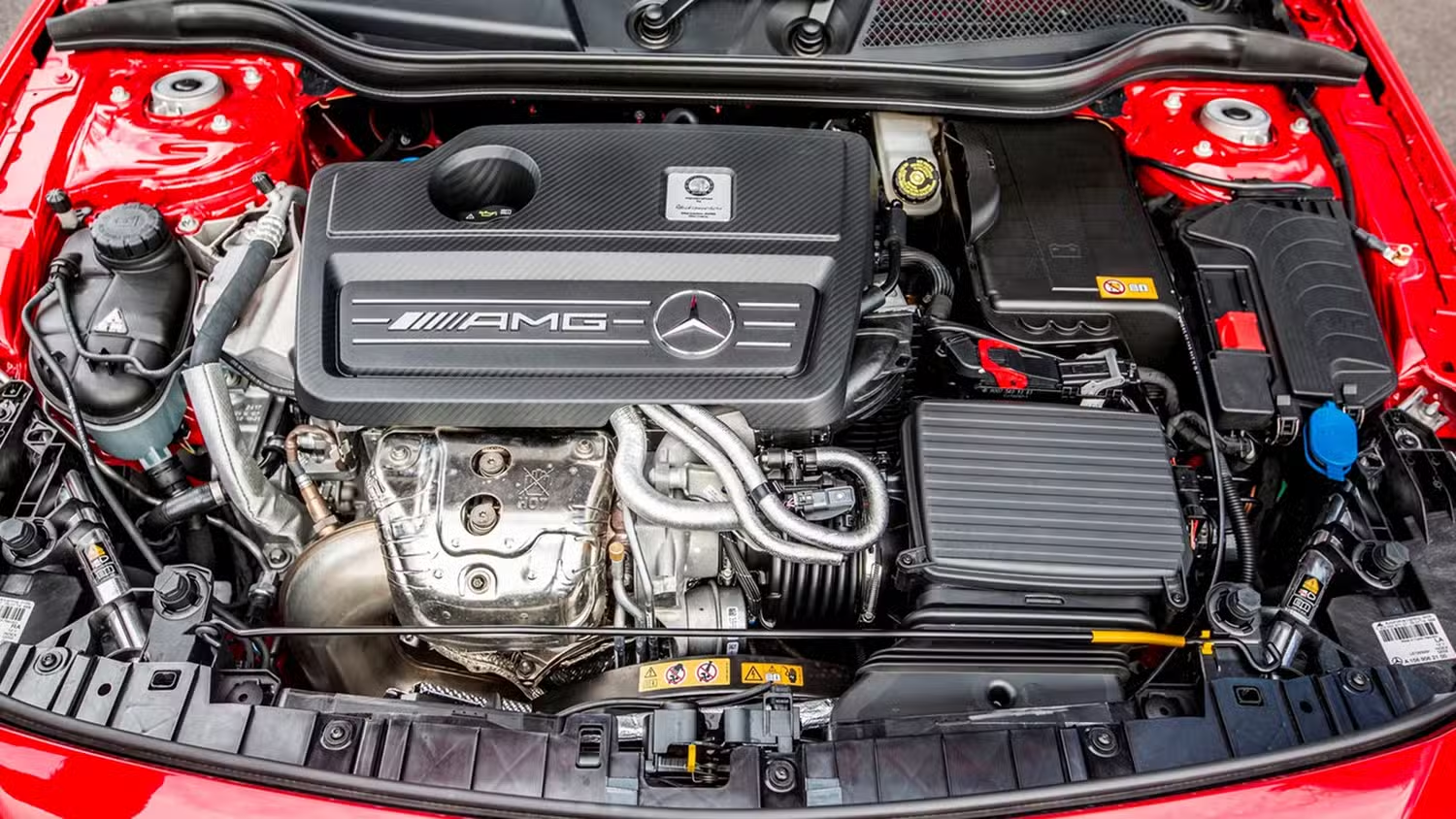
The risk of stuff breaking down however doesn’t only have to do with age, but also with said build quality, and also complication. A new car is far more complicated than a 10-year old one, with more parts that can break. We saw and still see this with the electronics in many EV’s. A small four-cylinder engine associated to a complicated hybrid system of the type Mercedes had the audacity to try to sell us under the AMG badge will be more likely to break than a V8 turning at 2′ RPM.
Still, could it be that I’ve just been lucky with my CLS? I guess, but in that case I was awfully lucky with my E63 and Range as well. They were both completely problem-free as opposed to the XC90, that had brakes that didn’t make it down an alpine pass, and a paint that was so thin it would scratch if you looked to hard at it.
Let’s test this on the current market in a way you can do yourself (and I’m quite sure, in many cases already do). Set your favourite car search engine to a period like 2013-2015, km’s to 100.000-120.000 and the price to something in the range of 20-30% of what you would have paid as new. If you haven’t done this already, a whole new world is about to open up.
Taking the above parameters and setting a price range of CHF 25.000 – 40.000 just for illustration, here’s a small selection:
- For a stylish coupe, why not get an Audi TTS or a Jaguar F-Type, V6 or the crazy V8? If you need four seats, there’s of course also the Audi RS5 with that wonderful, naturally-aspirated 4.2 litre V8…
- If a convertible is your thing, BMW has you covered. A Z4 for two seats, a 6-series for four. And plenty in between.
- For a big sedan, I could certainly live with an Audi S8, or for that matter, a Porsche Panamera 4S.
- Finally, if you’re after an SUV, I would happily buy a V8 Range Rover again (they’re even cheaper now!) but if you need something smaller, a Macan or a Cayenne is certainly not a bad choice.
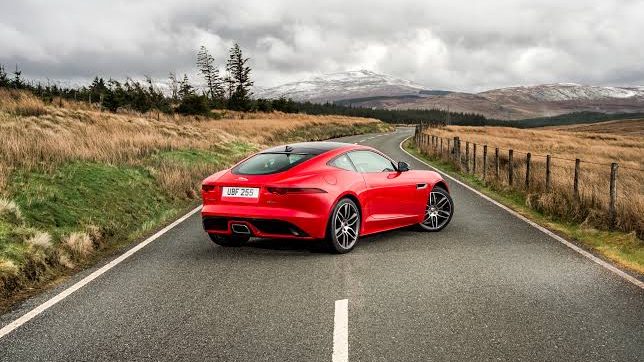
These are all great cars, and they’re all cars which, if cared for and serviced properly, are just about run in at 100′ kms. And trust me, the price bracket works at all levels. A wonderful (and family friendly!) Ferrari FF will be yours for about 1/3 of its price as new, meaning around 120′-130′ with far less than 100′ kms.
As I showed in my post on the Jaguar XJ from this spring, many slightly older, wonderful sedans will cost you even less. And if a Jag isn’t luxurious enough for you, how about a Bentley Arnage R for around 40-50′? Sure, the 6.75 litre V12 has more thirst than an alcoholic, but 10%-15% of its price as new? Seriously?
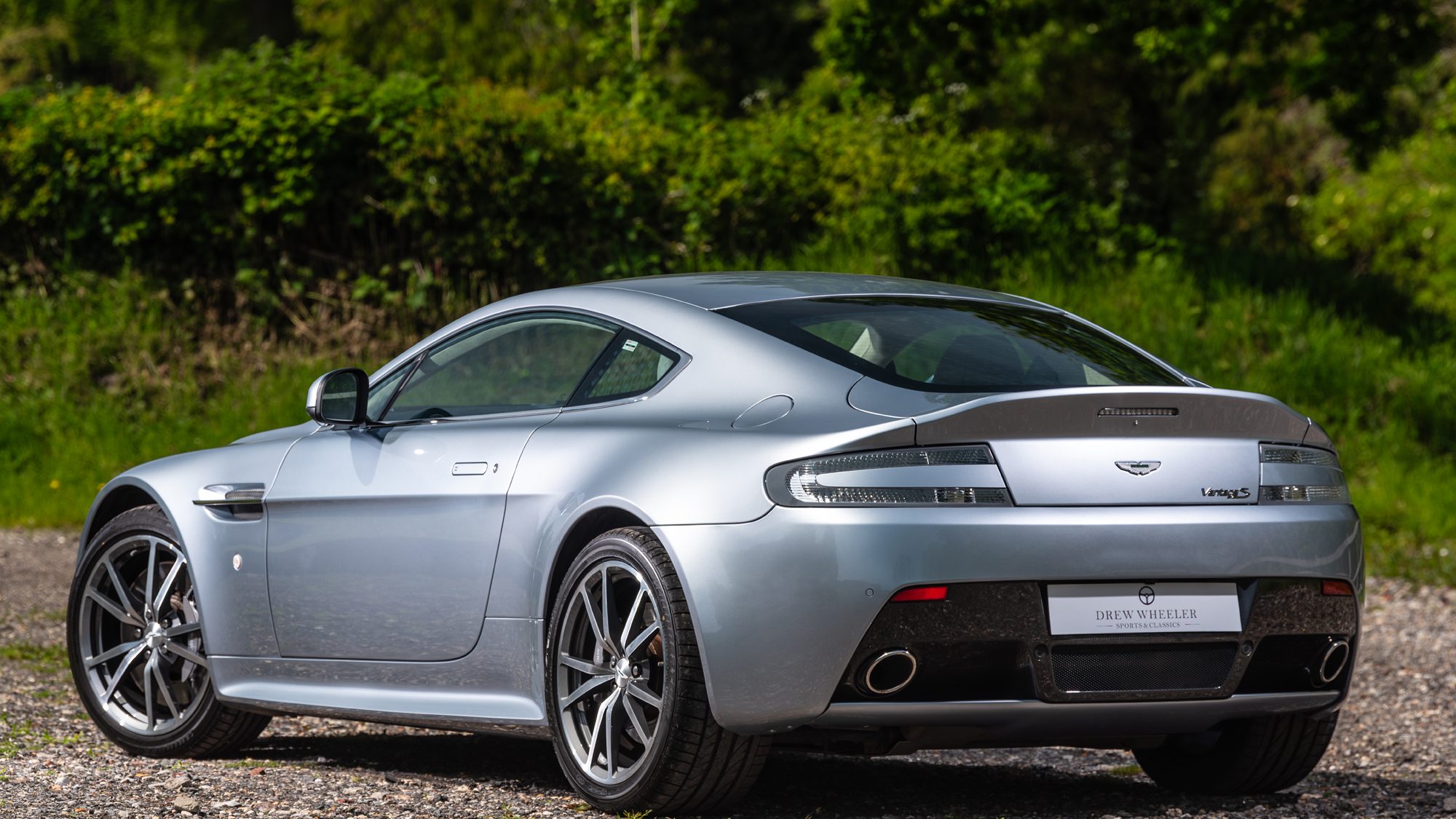
A Jag and a Bentley would probably not be daily drivers, and it’s here that the same principles don’t always work. 911’s obey. their own rules, as do some Ferraris and other collectibles. Well, why not get an Aston V8 Vantage instead, it’s far prettier anyway and will cost you very reasonable money.
The daily drivers that hold their value better are found among the Skodas and Volvos normal people love. Who cares? Life is far too short to drive boring cars.
Times are indeed dire for European car builders, many of which are on the ropes and at least some of which will not survive. The more forced savings they implement, the less good their future cars will become. But cash-strapped as they are, don’t expect prices to fall as a consequence. And certainly don’t expect to see any kind of non-hybrid engine with more than four cylinders being developed again.
Therefore do your research and buy a daily from the peak car period. I promise you, everytime you walk up to it, you’ll do so witha smile on your face. Keep some money aside for maintenance and wear and tear stuff that can always happen. And of course, if you’re lucky enough to have a larger budget, then there’s even more money to spend on the gem you take out on Sundays!

