This week we’ll put the nail in the coffin of any dreams of personal car electrification in the coming years. That may sound drastic, but regular readers of the blog will remember I did my first post on the subject almost two years ago and have followed that up a couple of times, notably last summer, at a time when we were all living in the world where markets were good and Putin was, well not in Ukraine. On one hand things have thus changed in a way which is highly significant notably for EV’s. On the other I came across some really astounding facts a couple of weeks ago, the silence on which is very surprising. But if the media won’t tell you about it, then I guess I will, and although it may sound pompous, I really do think this seals the fate for the worldwide EV roll-out our Western politicians want to see over the coming years. Let’s dig in.
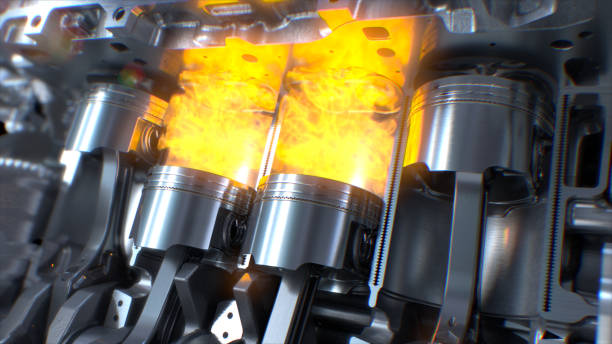
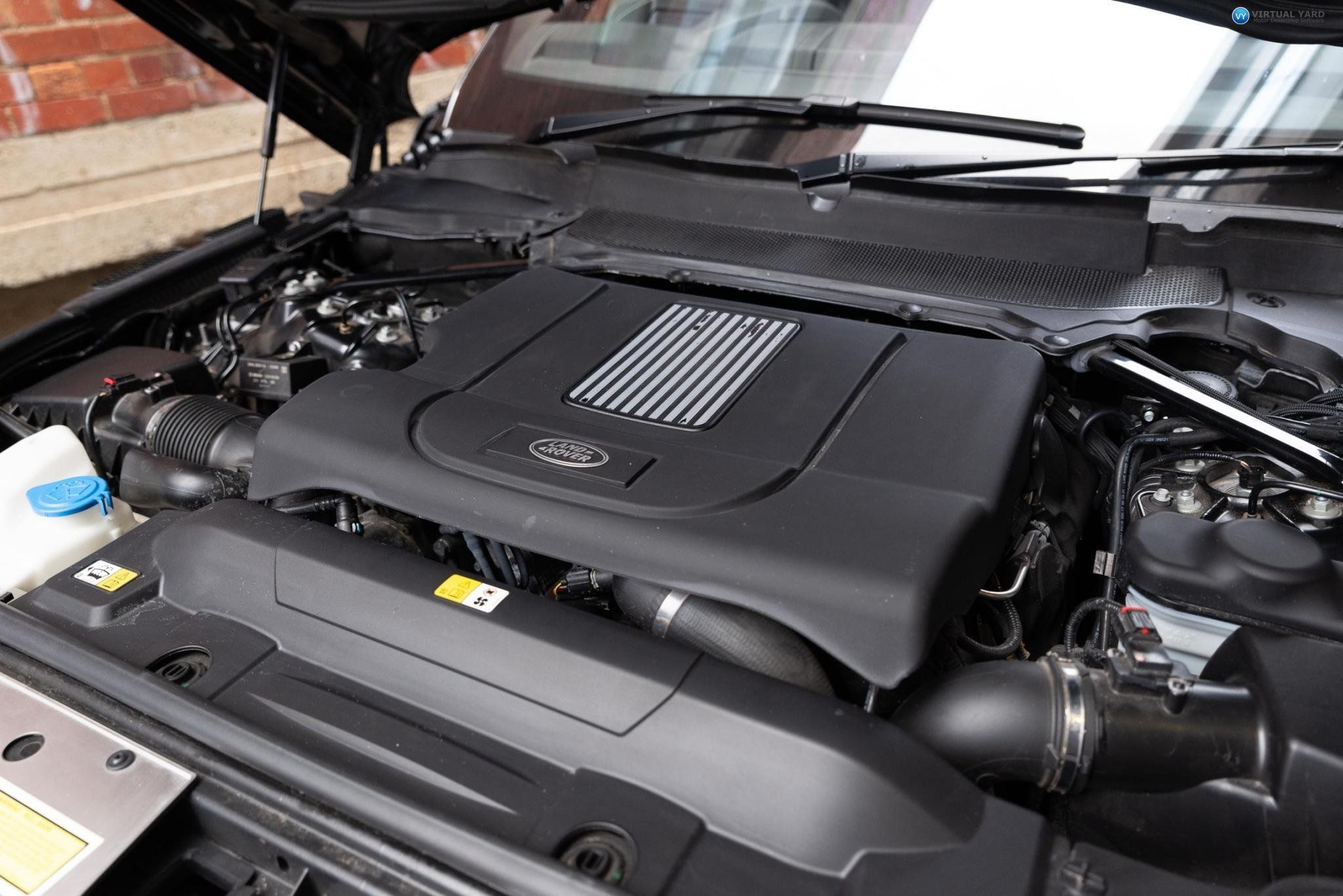
There are around one billion 450 million cars in the world or if you prefer, roughly one car per five world inhabitants (although it rather splits like three in our developed world garages and non in many developing countries). Almost all these cars are powered by a combustion engine, the basic principle of which is identical to the one invented around 150 years ago. That resounding success is of course helped by constant developments and improvements, but even more importantly, by the fact that the fuel needed to power it has been, and continues to be, plentiful. Put differently, had we reached peak oil a long time ago, it’s reasonable to think that the development of alternative fuels would have started earlier.
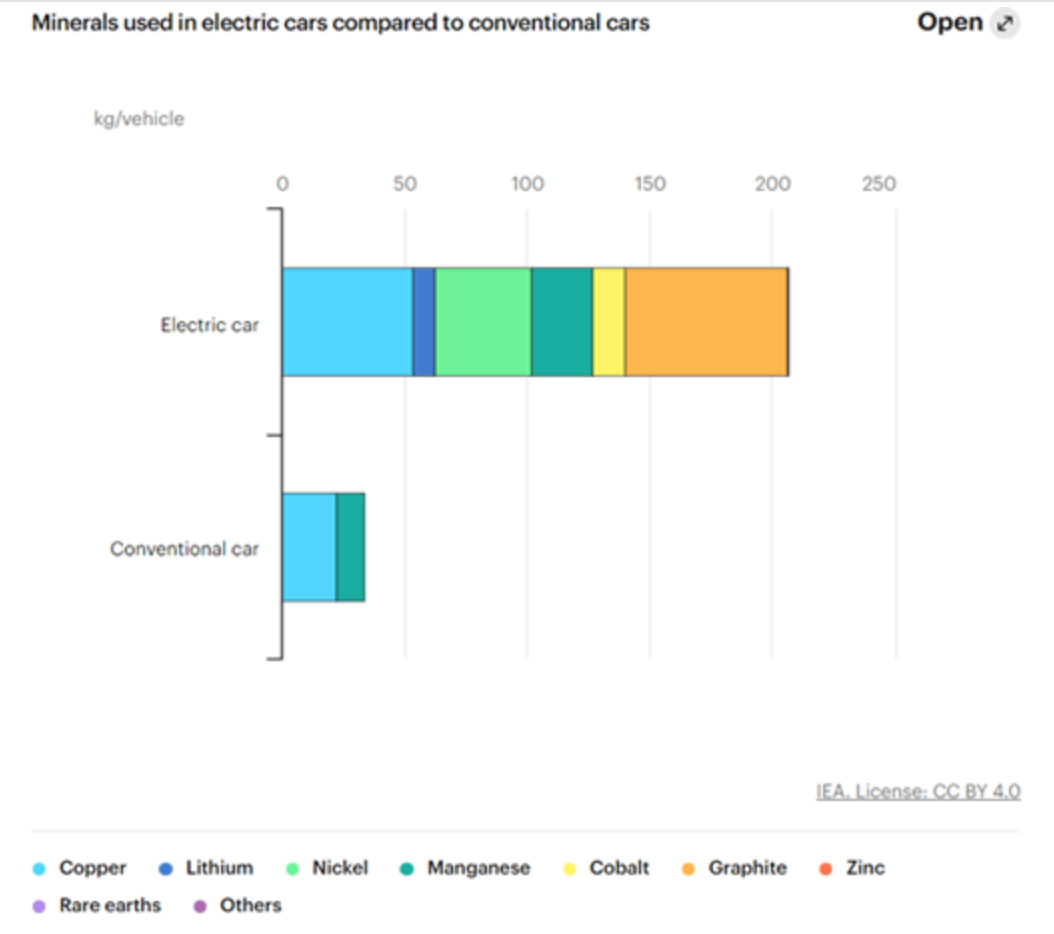
The skepticism I’ve long held to our electrical future has nothing to do with the cars themselves (although most, after you’ve pushed the pedal to the metal a few times, are about as interesting as watching paint dry, but that may change as more come to market – maybe). Rather, this comes from the massive issues related to EV battery production, the less than convincing carbon footprint they have, and the geopolitical implications of where the necessary metals are located. But actually, you don’t even need to go there, because in addition to all this, there’s the simple fact that there isn’t enough of the materials needed for the electrical future to be realized. In other words, the alternative to the combustion engine is finally here, and it’s not a bad one, but the world doesn’t have enough “fuel” to power it on a massive scale. And yet, whilst concrete plans are drawn up for a ban on combustion engine cars, no one talks about it.
We’re told we should replace all our traditional cars with EV’s as quickly as possible. Let’s say we’re slightly less ambitious and content with 500 million EV’s as a first step. After all, that’s about 480 million more EV’s than are on the road today and maybe we don’t need all of those 1.45 billion cars going forward (that would actually be a fair assumption…). To supply batteries for that number of cars would require mining a quantity of energy minerals equivalent to about three trillion smartphone batteries. That’s equal to over 2,000 years of mining and production for the latter. And even if that through some miracle were to happen, it would still only eliminate 15% of the world’s oil consumption.
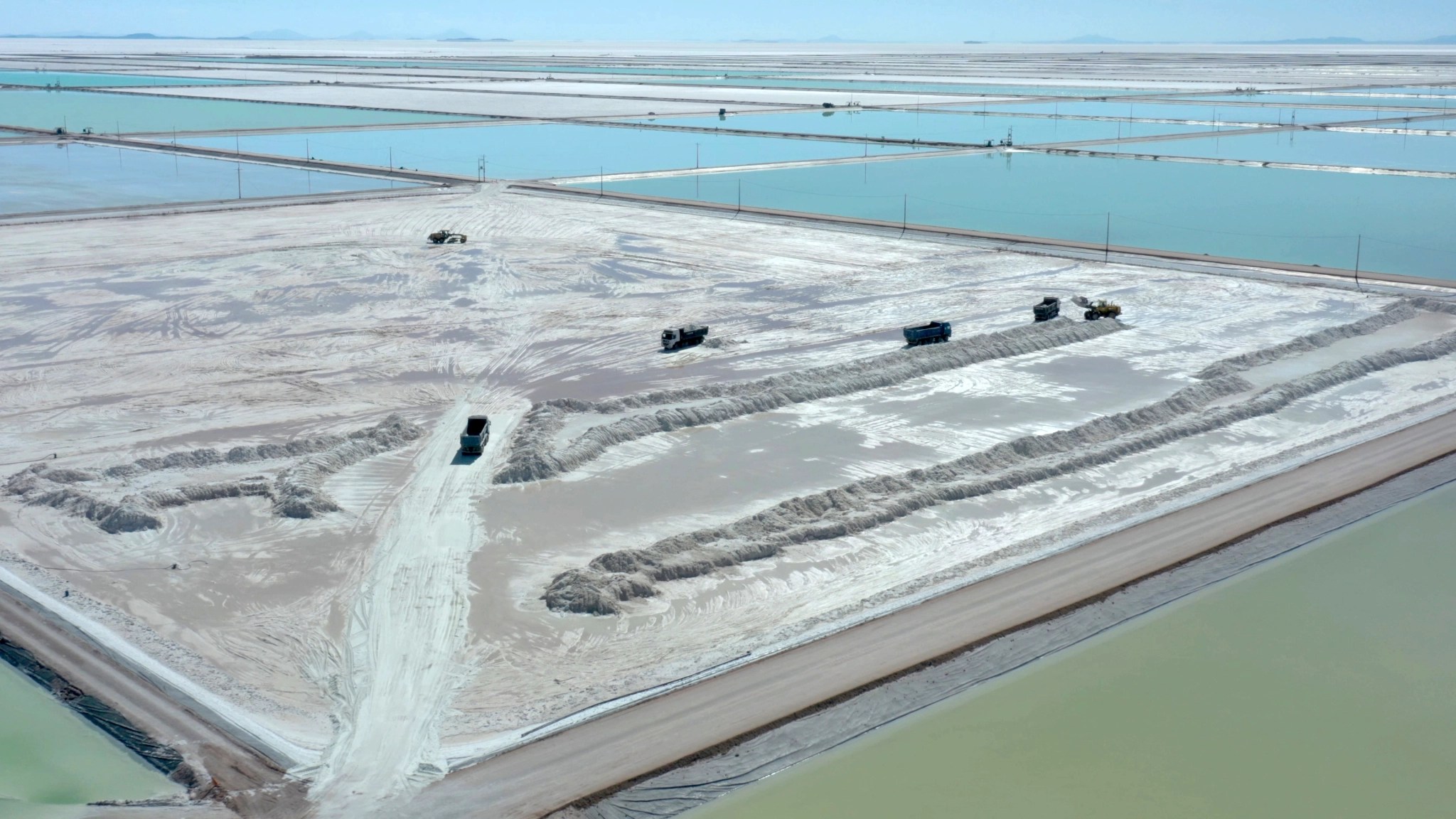
We would of course in addition have to mine whatever is needed for the solar panels, windmills and electrification needs of industry that should happen in parallel. Naturally, this assumes that all the countries from which we get these metals pose no political or moral issues, and continue to happily supply us with everything we need. No reminder is probably needed that one of the two most important of these countries is Russia which is currently engaged in a war in Europe and actively turning eastwards and away from us. Another one is the Congo, where children work in mines under inhumane conditions to extract 70% of the world’s cobalt production. Lithium on the other hand mainly comes from south America, notably Bolivia, with severe consequences for the local ground water supply.
Given however electrification is the chosen and from what you hear, the single way of development, the logical consequence should be to have increased mining high on the agenda. Without that, where are the metals supposed to come from? Of course that’s not what happens, especially not in the Western hemisphere. Our politicians much prefer to travel by private jet to a climate summit (COP 26) in a developing country (Egypt) to lecture other developing countries on their usage of fossil fuels, only to negotiate more oil and mineral deliveries from the same countries when the lights go out. Around 400 private jets brought the dignitaries of this world to COP in October this year and as an example, Germany imported eight times more coal from South Africa in 2022 than in 2021. We’ve rather let the Chinese invest in new mines, preferring not to get our hands dirty.
The hypocrisy is truly hard to believe, But it doesn’t stop here. Few countries have been as vocal about human rights abuses in connection with the football World Cup in Qatar as Germany, and emotions were running high when its team wasn’t allowed to wear rainbow armbands during the games in defense of LGBTQ rights. As we know now, that didn’t prevent the German government from signing a natural gas deal with Qatar for the coming 15 years at the same time as the German team tried to qualify for the quarter finals – without multi-colored bands around their arms…
This last example serves to highlight a crucial point of which we’ve been reminded a few times already, and will certainly be reminded of many more times this and next year: when energy gets scarce, there’s a risk of people not being able to heat their homes or industry needing to shut down because of lack of electricity, then every single politician will do what it takes to keep the lights on, be it with dirty energy and, as I suspect will increasingly happen, be it in spite of sanctions as well. That’s also when EV’s become more of a problem than a solution.
Let’s summarize the facts that should be obvious by now;
1) We don’t have enough storage or mining capacity to extract the rare metals needed to produce batteries anywhere close to the scale needed for the electrification of the world’s auto fleet. As a concrete number, a single large EV battery pack of 500 kg can require up to 250 tons of earth being moved to produce sufficient ore to extract the quantities of metals required.
2) There is currently (meaning at least for the coming five years) no alternative battery technology to replace our metal-based batteries, and there are no other metals that are as efficient as the ones currently used. EV enthusiasts will often point to cobalt quantities being reduced given how problematic its production is. It is however substituted with nickel, mostly coming from Russia, not with other types of metals. Any other type of metal would make the battery less efficient. And even if you could argue that nickel from Russia is better than cobalt from the Congo, it’s really an improvement on the margin, not more.
3) There is no reliable way to trace the full carbon footprint of an EV. Estimates vary widely and will continue to do so, and how could it be any different when in some instances you’re required to dig out 250 tons of earth in some of the poorest countries of the world, under conditions we don’t want to know about? No one has even tried to measure the climate impact of cobalt extractions in the Congo, and that’s probably a good thing. However, based on 50 academic studies, the estimated emissions to produce one single EV battery range from eight to 20 tonnes CO2. That’s before it’s been driven a single meter, and the higher end of that range is comparable to the emissions from a conventional car during its full lifetime.
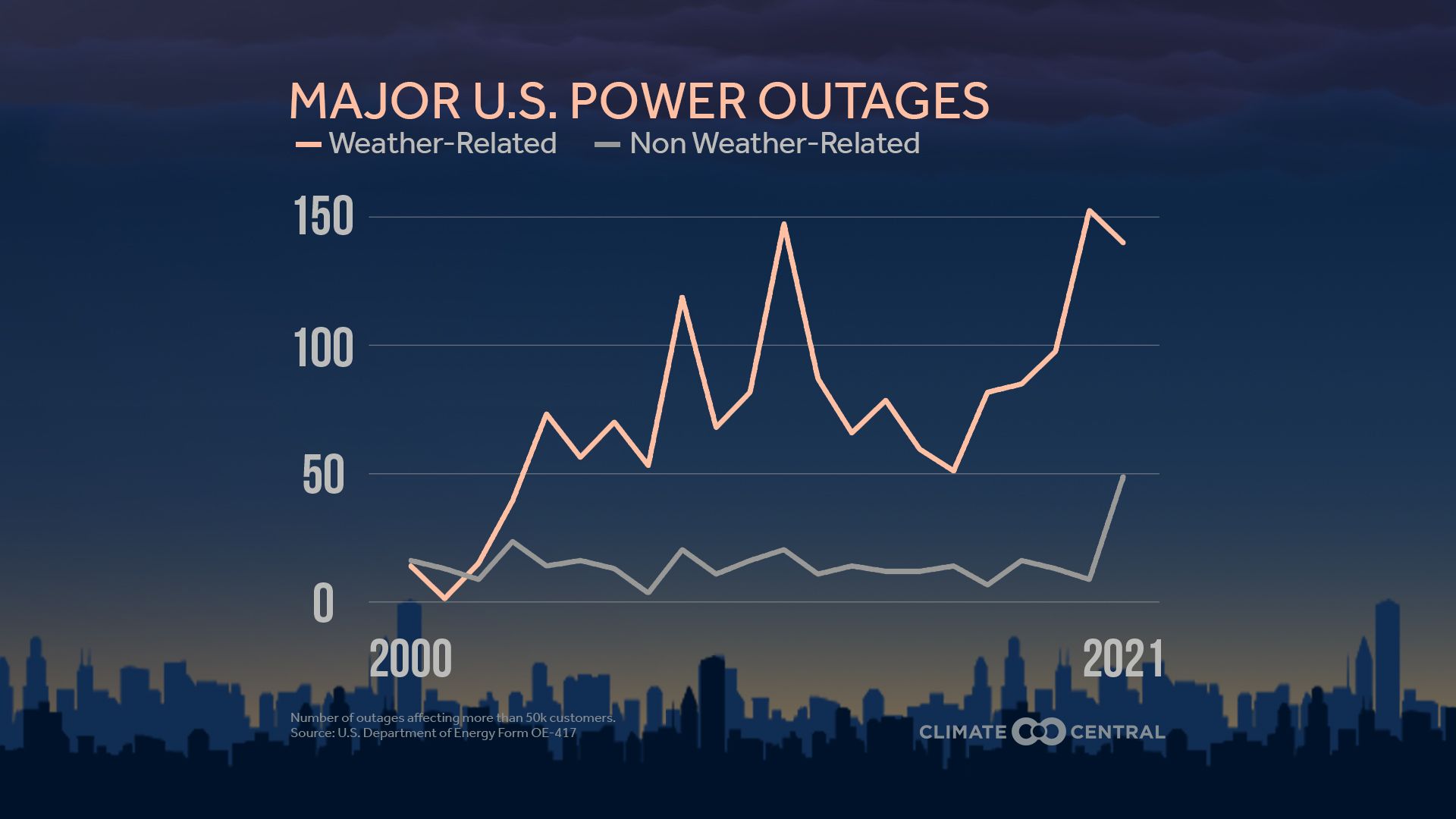
4) In a world where electricity is scarce, EV’s for personal driving will not be prioritized. Here in Switzerland, the government’s energy emergency plan tells us not to use streaming services in times of crisis, or not to wash our laundry above 40 degrees. In the US, California has seen more power cuts this year than ever before. Under any of those scenarios, how likely is it that you’re allowed to charge your EV as much as you want? And when an EV charge costs almost as much as filling your tank as has been the case in the UK in some places this year, where’s the incentive?
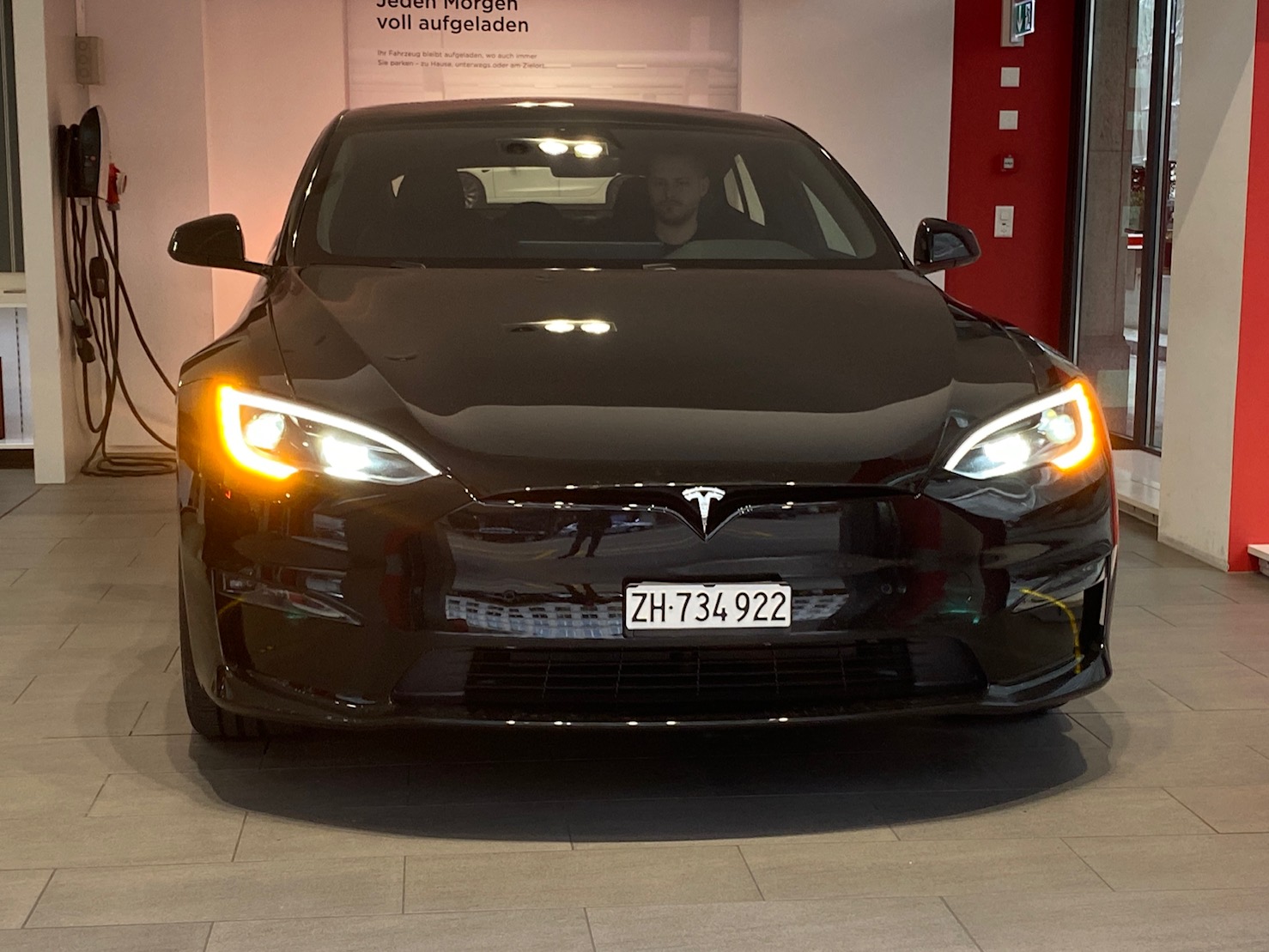
5) Finally, and although nothing really points at it, perhaps a bit of common decency and morality will come in to the public discussion, pointing to the fact that children in the Congo work in mines under terrible conditions to produce the metals needed for feel good Westerners to drive Teslas. Or that over 90% of the solar panels on our roofs are produced by Uighurs in Chinese prison camps, their only crime being to be Uighur? If fast fashion isn’t the way to go for the clothes we buy, then EV’s most certainly aren’t for our driving!
Therefore, batteries in their current shape or form are not the way forward, and current electrification plans for our auto fleet simply won’t happen. That doesn’t mean that the combustion engine in its current form will be there forever, but that’s a story for another day. Until then, enjoy your conventional car – as long as you do, you’re doing the world a service!


It was the search for a somewhat more successful car than the C-V8 that led to the Interceptor, Jensen’s by far most well-known car, presented in 1966. This time the design had been commissioned to the Italians at Carrozzeria Touring (another company that would go bust a few years later) and although certainly more convincing than the C-V8, it was definitely still quite original. The front looked like many sports car in the day, the rear which in the UK became known as the “fish bowl”, is rather reminiscent of the 70’s AMC Pacer (which was of course designed after the Interceptor). If the exterior isn’t to everyone’s taste the interior is much more so, with a selection and quality of materials that led to the Interceptor being compared to high-end brands such as Aston Martin, Bristol or even Rolls-Royce.
We’ll make a quick pit stop here for a small side story that I find a wonderful illustration of Jensen and British car industry of the time. Jensen in parallel to the Interceptor built another model referred to as the FF. That’s actually a historic car as it was the first non-SUV passenger car with four-wheel drive, and thus highly innovative for its time. Neither in the 60’s nor now however does it snow a lot in the UK so if you build a four-wheel drive car close to Birmingham, you have to assume it was also intended for exports. All good so far. It’s just that no one in the Jensen factory apparently thought about the fact that most of the world outside of the UK by now had the steering wheel on the left side. So the FF only came as right-hand drive. Let’s just say it wasn’t a tremendous recipe for export success…
Back to the Interceptor, which during the 10-year production came in three series with only subtle design differences between them but where the MK III was by far the most produced. The MK III also came with three different bodies: the most common “glass bowl” saloon, the much rarer and arguably better-looking convertible, and the ultra-rare coupé with a plexiglass rear. All three series had Chrysler big block V8’s and 3-speed automatic transmissions, but whereas the first two shared the same 6.3 litre, 325 hp V8 as the predecessor C-V8, the MK III had an even bigger, 7.2 litre engine, however at 285 hp with less power. This all had to do with the new US emission rules that limited the power of large engines quite heavily. Not only was the 7.2 litre engine less powerful, it was of course also heavier, and just a tad thirstier: apparently we’re talking 25-30 litres per 100 km (8-10 MPG) …
The convertible version of the Interceptor was presented in 1974 and is another example of Jensen’s risk-willingness or complete ignorance of the world beyond the UK, depending on how you see it. At this time most other brands were halting the development of new convertibles altogether, as it was widely expected that US safety authorities would enact a complete ban on open cars without roll-over bar. So Jensen was basically the only brand brave or foolish enough to launch a new convertible in this period. They were ultimately right given a ban was never enacted but they were kind of wrong anyway, since the whole company went bust only two years later, in 1976. By then they had produced about 500 convertibles, out of a total of some 6400 Interceptors.
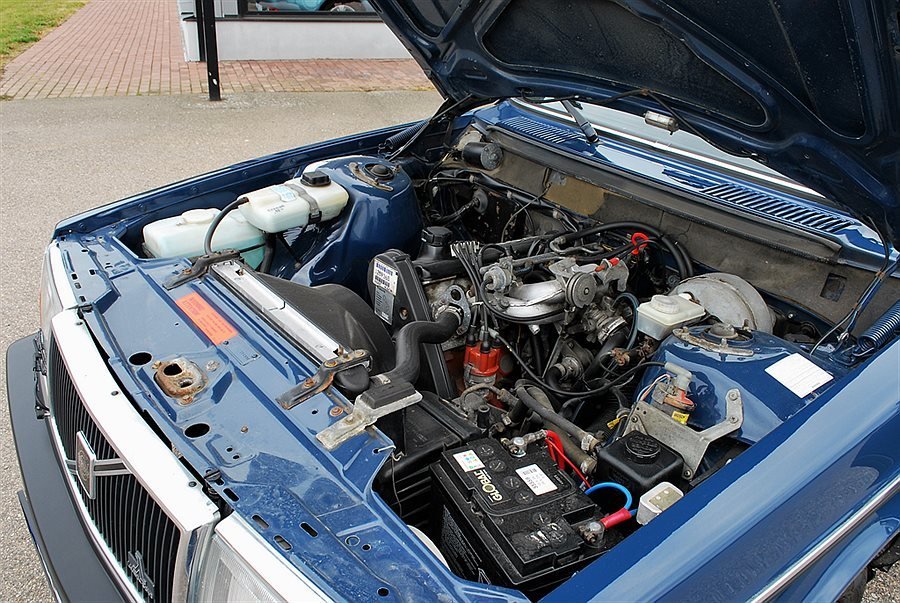
Although the big block Chrysler engines were quite bullet proof, the fact that they all had carburettors and lots of them, didn’t make them any easier to run or service. The carburettors had to be adjusted frequently for optimal performance, apparently up to as often as every 1000-2000 km. Cooling was another issue Interceptors were known to struggle with and then there was of course the same issue as with all other cars in the 70’s – rust. You can certainly convert the engines to injection and upgrade the cooling system, an idea that some won’t like at all given the car is then no longer original. It will however be far more drivable, and thus possibly a solution for those preferring to spend time on the road rather than in the garage.
Cooling and carburettors aside, the Interceptor is known as quite a wonderful GT car, offering loads of 70’s luxury and charm typically for far less money than a comparable Aston or Rolls (who as we all know also tend to have an issue or two…). There aren’t many in the market which makes pricing uncertain, but good saloons tend to start somewhere around EUR 50′ with convertibles costing much more. If this wonderful example of British ingenuity combined with a dinosaur-engine of a type will certainly never see again, then please make sure that if you’re not mechanically talented, you know someone who is, and go for a car as perfect as possible, as finding replacement parts for an Interceptor risks being as hard as finding a UK prime minister who will stay longer than a few months!