This years regulations seems to force teams to create incredibly ugly noses on the cars…
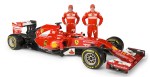
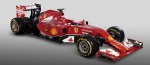
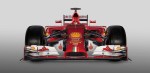



This years regulations seems to force teams to create incredibly ugly noses on the cars…
The front its not as ugly as in the new McLaren F1-car.
An interesting detail, as seen on the view from above, is that the front is asymmetric.

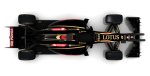
The front is really ugly. I hope the Ferrari F14-T, to be presented tomorrow, looks better.


Not since Stefan “Lill-Lövis” Johansson left the F1 circus in 1991 has there been a Swede that has made it beyond the test driver status in F1 (that was by the way Björn Wirdheim who test drove for Jaguar a few years ago). That will change in 2014 when Swedish 23-year old Marcus Ericsson will take one seat in the Caterham team, the other one going to Kamui Kobayashi, ex-Sauber. Ericsson finished sixth last year in the GP2 series, but apparently still managed to show he has talent. Given Caterham finished last in the team ranking last year it will definitely not be an easy ride, not even within the team as Kobayashi obviously has much more experience, but at least he gets a chance and it bodes well for both the interest and coverage of F1 in Sweden!

German engineering at its best!

Boy, does the new 991 Targa look good!!!
The new design is much closer to the original Targa from the 70s, as opposed to the glass-roofed 996 and 997 Targa.
Apparently it will be available only with 4WD (Targa4 and Targa4S models) as it is based on the wide body 4WD Carrera cabriolet.
How the Targa roof can fold automatically is hard to understand, but we will know more this afternoon after Porsche’s press conference in Detroit at 17:45 CET.


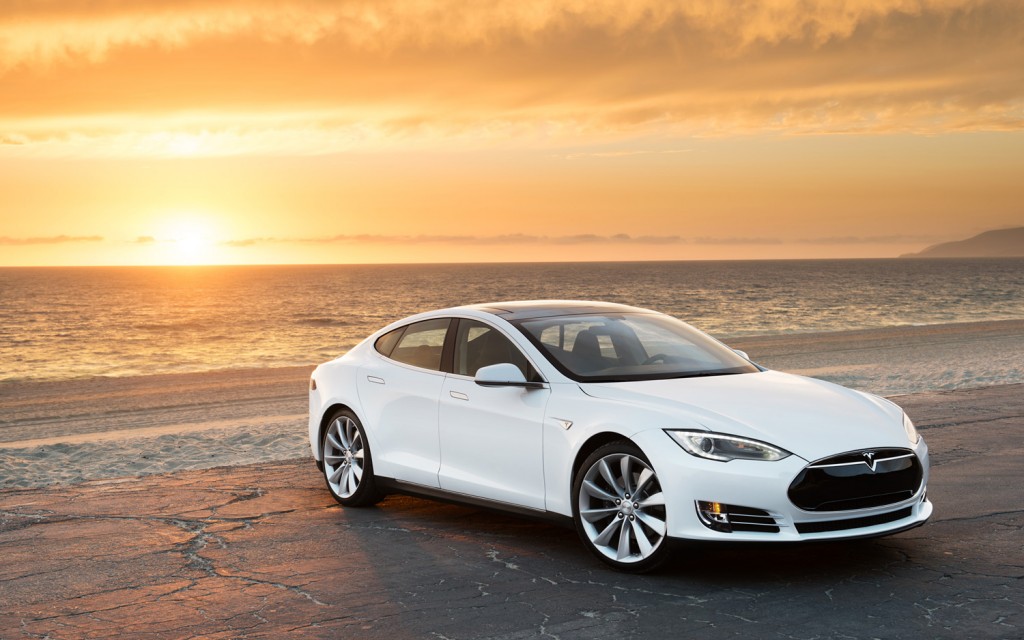
After visiting the Tesla store in Zurich earlier this fall, I wrote quite an enthusiastic review based on first impressions of Tesla’s family sedan, the Model S (found here). Finding time for a test drive took longer than expected, but earlier this week it became reality – and boy what a life-changer it was!
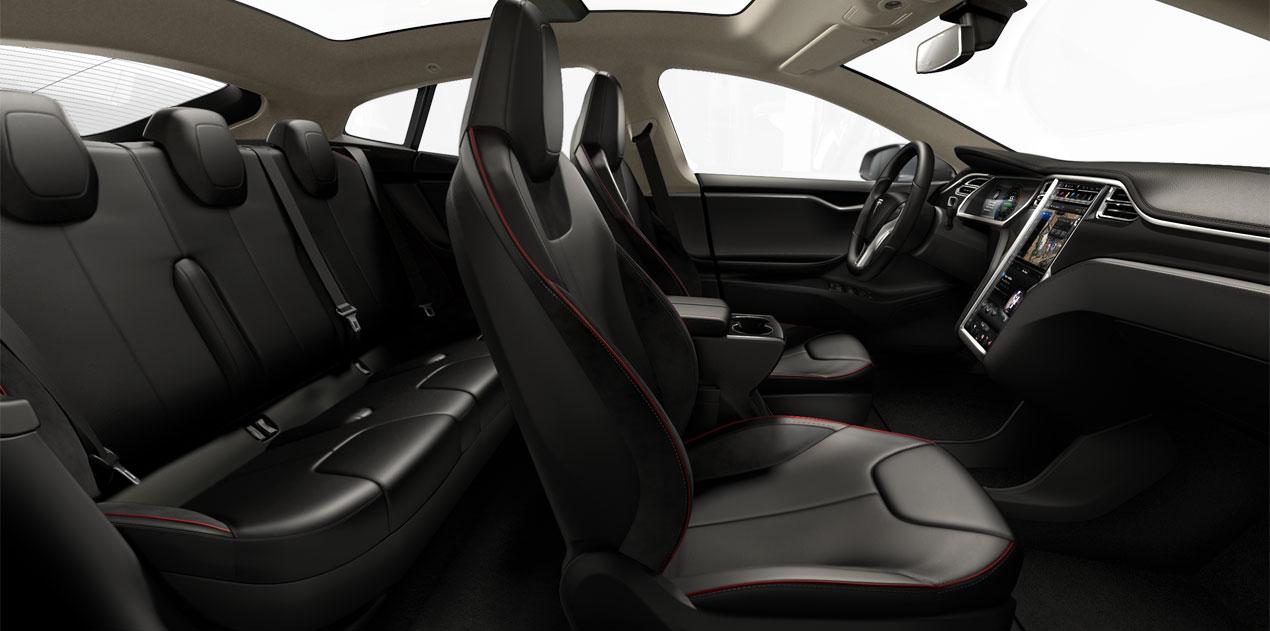
Given I described the first impression of the car quite extensively in my first review I’ll pass on the details but what strikes you every time you step into the Model S is how spacious it is. The absence of an engine in the front has left space for quite a sizeable, second luggage compartment of 150 litres, easily fitting two larger bags, which together with the hatchback solution in the rear means around 900(!) litres of luggage space with five seats (and over 1600 litres if you fold the back seats). This means the Tesla is a true family car option, as long as your children are not oversized (the limited headroom on the back seats means people over 180 cms will hit the roof).
With the Tesla salesman (a converted banker, mind you…) next to me, I took possession of a pearl white Model S with black interior, to me the best colour combination. It had the stronger of the two offered engines (85 KwH, 414 bhp, range around 400 kms) with the so called performance package, meaning a better handling chassis and a torque of 600 Nm, rather than 440 Nm in the standard 85 KwH version. It also featured the panoramic roof that opens larger than the sun roof of any other current production car.
Driving a Tesla in the city is quite undramatic. Obviously there is no engine noise but to be fair, I don’t hear the engine in my MB either, and the Tesla is still exposed to surrounding noise. Fascinating at first, but easy to get used to, is the strong engine breaking sensation developing as you take your foot off the pedal. This is the engine regenerating electrical power and once you learn to manage it (which takes roughly 5 minutes), it means you can actually drive the car without breaking in 9 cases out of 10. It also means that driving down an alpine road for example, when regeneration will be particularly high, your range will develop positively. What also strikes you immediately is obviously the 17 inch info screen that occupies the center of the car and from which basically everything is handled. This system always has an internet connection, over Wifi or 3G, financed by Tesla all through Europe. That’s right, no roaming charges if you take the car on a trip abroad!
With this in mind, the remaining driving experience in the city is completely undramatic. The car handles well, together with the suspension clearly on the sporty side, quite reminiscent of a 5-series BMW. Seats are comfortable (although they could do with some more lateral support) and the cabin, lacking a transmission tunnel, is very roomy.
And then at some point you come onto the motorway, and this is when all you thought you knew of motoring (or indeed electrical cars!) changes – forever. The nature of an electrical car means that torque is constant irrespective of the speed, and power delivery is instant, as there is no transmission, turbo or other to delay it. So when you floor it at 60, 80 or 100 km/h, you immediately have 600 Nm of torque hitting you in the blink of an eye. This means the Tesla does 0-100 km/h in around 4.5 seconds but even more impressive, it does 80-120 km/h in less than three seconds, roughly on par with a Panamera Turbo, but beating an Aston Martin Rapide (that money-wise will both set you back considerably more). The feeling when it does so is quite simply unlike anything you have ever experienced. It is also very, very addictive, and something every motor enthusiast should try out.
On smaller roads the impression of a well-handling, rather sporty car is confirmed. Given the 600 kgs of battery power sit in the floor, the center of gravity is low, and weight repartition at 48/52 is excellent. Sure, it doesn’t behave like a 911, but again this is a large, family sedan. It may feel slightly heavy (after all it weighs 2.1 tonnes…) but there is no roll to talk about, steering is precise and the (air) suspension is well-behaved.

Not a recommended way of driving considering the range…
No negative points? Sure, there are a few. As mentioned the seats could be more supportive, the fact that a high-tech car like the Tesla lacks modern functions such as a lane assist or an intelligent cruise control is disappointing, and some parts of the interior, especially in the boot, lack premium feel. But when you floor that pedal, you will forgot all of the above very quickly…
Since my first visit at Tesla, the company has cut delivery times to 4-5 months, and the Model S has become the most sold car in Norway, a country with high car taxes but strong subsidies on alternative fuel cars. And looking at the financial side even if you live outside of Norway is quite interesting (at least in Switzerland but surely in other countries as well): buying a properly equipped 85 KwH Model S sets you back around 105.000-120.000 CHF, i.e. roughly the same as a large German sedan with similar equipment (but without an engine that in any way can match the experience). But after that, it’s only good news. Comparing costs to my current MB E350, this is what it looks like: no road tax for electrical cars in Zurich (+700 CHF), service included for the first four years (around +1000 CHF on 20.000 kms/year), cheaper insurance (+700 CHF) and “fuel” costs on 20.000 kms of around 600 CHF rather than around 3700 CHF (+3100 CHF) in my case means a net saving of around 5500 CHF – per year. From that perspective, the price is more than fair. There is also a 4 year warranty on the car and 8 years on the batteries, and a resell level that will probably by far exceed conventional cars.
Tesla is also becoming a serious pain in the butt for larger (German) carmakers. How can a company with no car manufacturing tradition and a couple of thousand employees come up with a car that in some aspects is lightyears ahead of competition? How can they sell it at 100.000 CHF, when a small BMW i3 with some basic equipment but less than half the range (not to talk about the power or the size) costs more than 50.000 CHF? How can Tesla offer an infotainment solution that is constantly online over 3G all over Europe? The Germans had better find an answer to these questions sooner rather than later.
Likewise, it is high time for Europe’s politicians to wake up. This is a car that at zero emissions could seriously change Europe’s automotive landscape, especially if Tesla as promised comes out with a cheaper model in the coming years, Still, in most cases, it is Tesla that needs to finance the power charging stations built over Europe out of their own pocket. Where are the initiatives in this direction from the various types of green parties that like to talk the talk, but rarely walk the walk?
While these questions are answered, go and test drive a Tesla. You won’t regret it…
In the press conference at 11 a.m. today, Schumacher’s doctors stated that his condition has improved slightly, but it is still critical. They performed a second operation during the night.

My thoughts go to Michael Schumacher and his family after the ski accident.
Keep on fighting and get well soon Schumi!
The Swiss-based Formula 1-team Sauber is, like most non-factory teams, in quite acute financial trouble. This summer Sauber announced it had secured financing through a Russian investor as part of a deal to hire the Russian driver Sergei Sirotkin for the 2014 season. A few months on Sauber is still waiting for the money, and the number of unpaid bills keep increasing. The company currently has 57 creditors that have started legal enforcement procedures for a total amount of around 500.000 CHF, including the Zurich electricity power company, that Sauber ows around 50.000 CHF. It could therefore be that the lights literally go out soon at Sauber’s HQ in Hinwil outside of Zurich, and one can’t help wondering how a F1 team can possibly survive another season if it can’t pay its running costs? If the Russian money does not come soon, the odds are that there will be at least one team less in the 2014 F1 line-up!

Sauber F1 team – soon without engine and wheels?
On a recent trip to Amsterdam walking down one of the main shopping streets, I passed a quite beautiful car I’ve never seen before. Having read up on its history afterwards I suspect I may not be the only one to which this was a new discovery, and I am thus happy to introduce you to the Artega GT from the German brand Artega! 
Artega was founded in 2006 as a small car manufacturing company. The first and only model GT was shown in Geneva in 2008 and production started in 2009, in a new plant built in the German city of Delbrück. It was powered by the 6-cylinder, 3.6 litre 300 hp engine that was also found in some VW top models, along with the VW six-speed DSG gearbox. The limited weight of around 1300 kg helped it to a 0-100 km/h time of 4.8 seconds and a top speed of over 270 km/h. Marketed at a very reasonable price of around 75.000 EUR as new, the Artega GT received quite a lot of praise from the automotive press. Chassis and handling and value for money were deemed very good, the somewhat dead steering feel, the oversized rearview mirrors and some typical small-manufacturer tweeks less so.
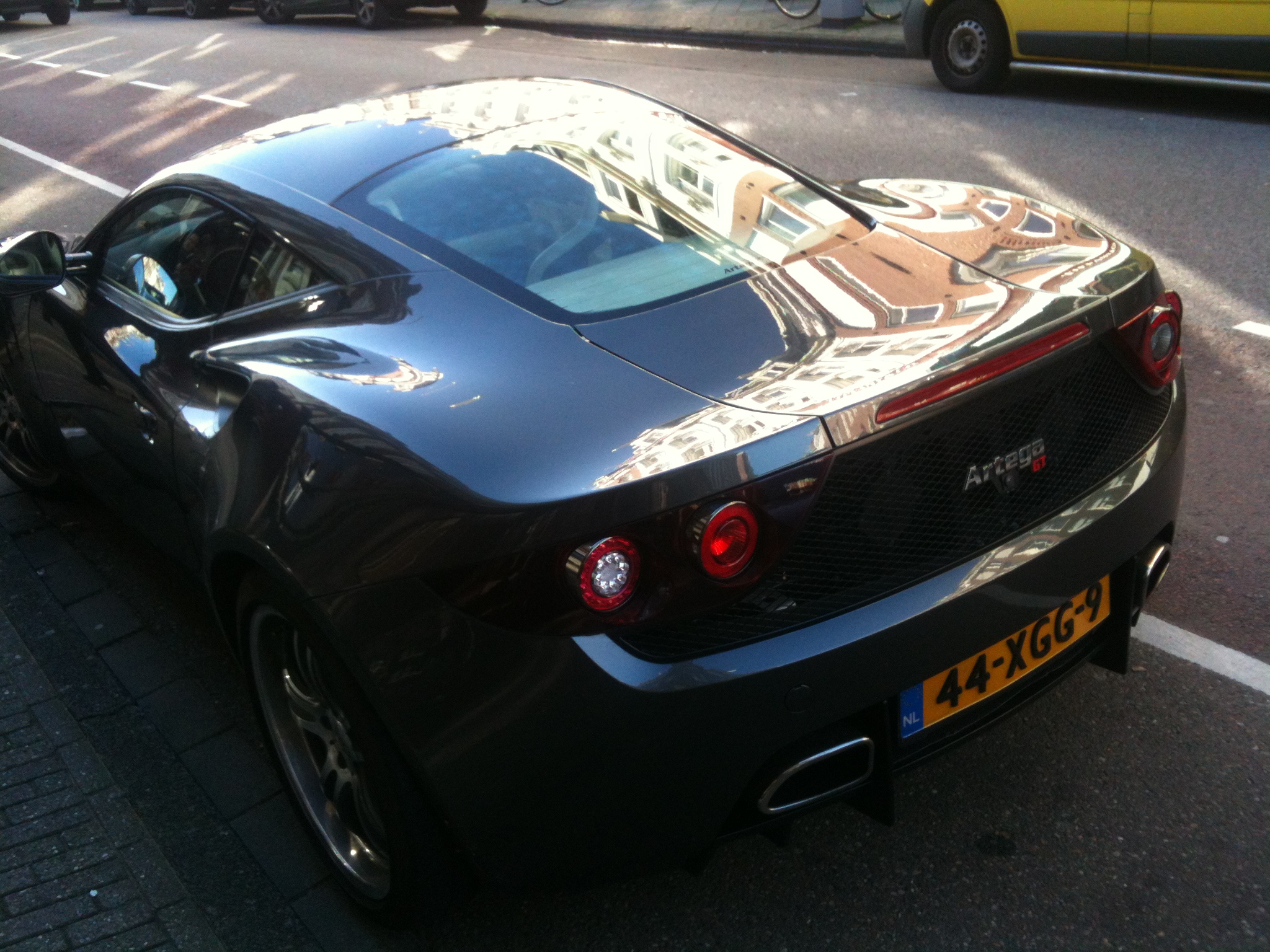
Unfortunately, as with so many small scale manufacturers, the 35-employee Artega car company didn’t survive for long. After a couple of company restructurings and plans for both a convertible and an electric hybrid version, production ceased in 2012 after as little as 130 cars produced. Obviously most of these are still around today, but it’s still far from a car you risk seeing on the next corner. There are currently 12 Artegas for sale on the German site mobile.de, with prices starting just below 50.000 EUR. For a very rare car likely to preserve value quite well, no doubt offering quite a lot of driving thrill and based on an engine and gearbox that can be serviced at the next VW garage, that is actually quite a bargain…

The new 2-series looks really good! It has a beautiful, sporty design and a compact size that is similar to the original 3-series coupé…


The Alfa Romeo 4C has accomplished a lap time of 8:04 around the Nürburgring, a new lap record for cars with less than 250 hp.
The 4C has a small turbocharged 4-cylinder engine producing 240 hp, but the car weights only 895 kg, thanks to a carbon fibre tub (like the McLaren MP14-12C!).

From late spring to early fall, the Swiss city of Zug hosts an oldtimer event called the Oldtimer Sunday Morning Meeting, a nice gathering with a beautiful mix of 150-200 cars from the 10’s (1900 that is) to the 80’s. The official end of the season is celebrated with a parade through the city center of Zug, which is reserved for the oldtimers for this occasion. The 2013 parade took place today, and even though the weather gods could have been friendlier, it was a great day of which a few pictures can be seen here below.
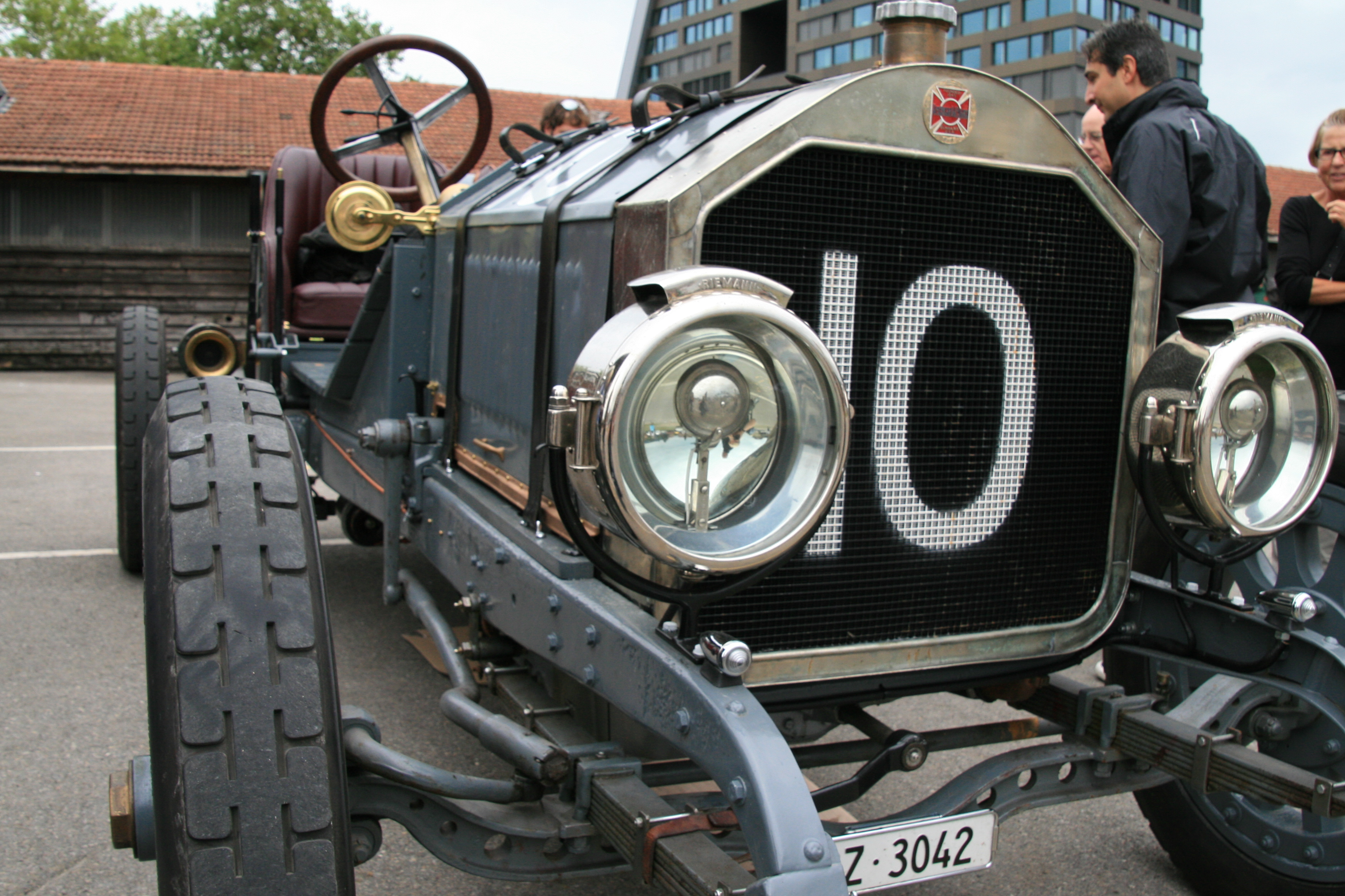
One of the oldest participants from the somewhat forgotten brand American la France…
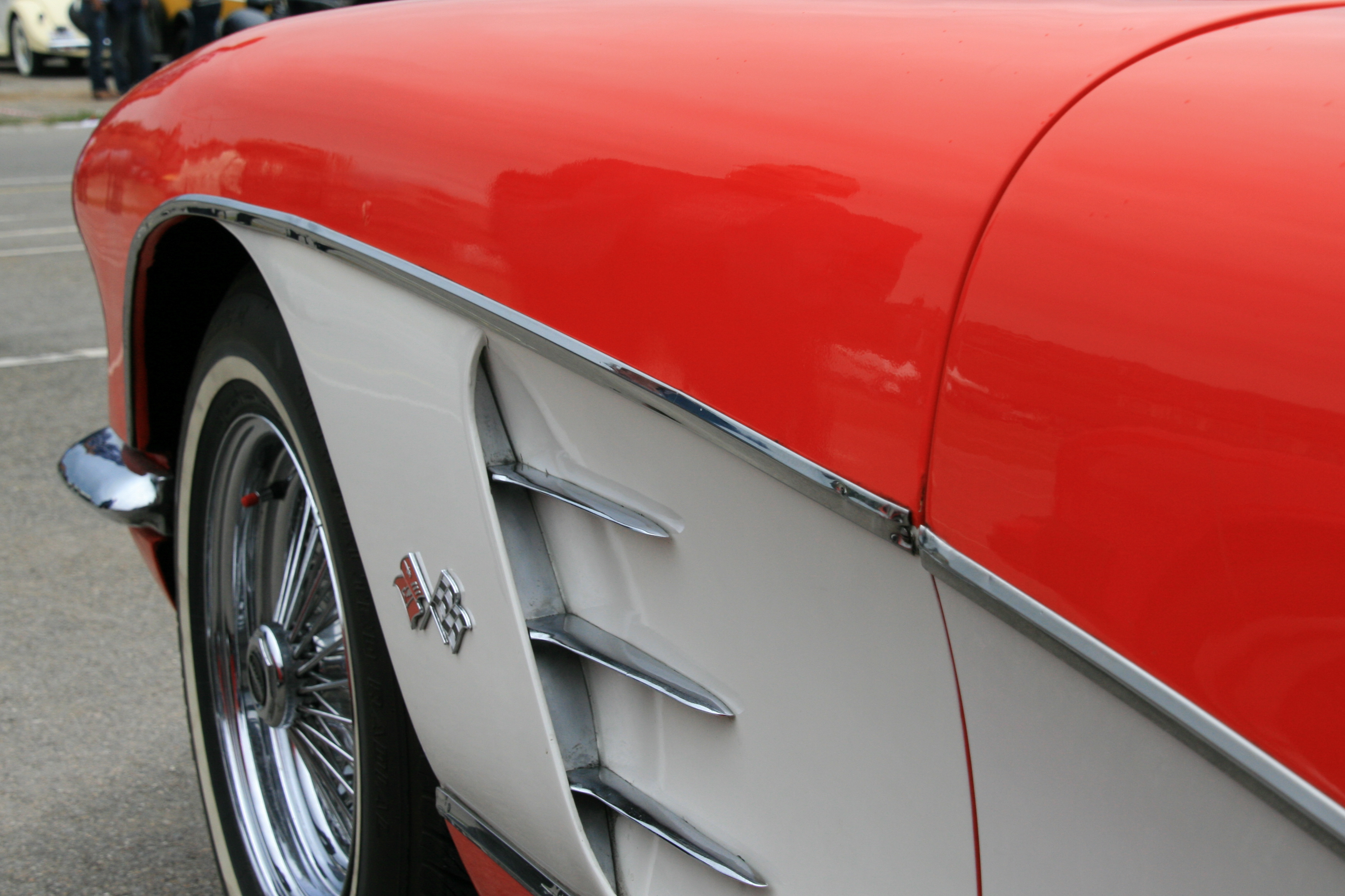
.to the more recent, beautiful 50’s curve on this early Corvette.
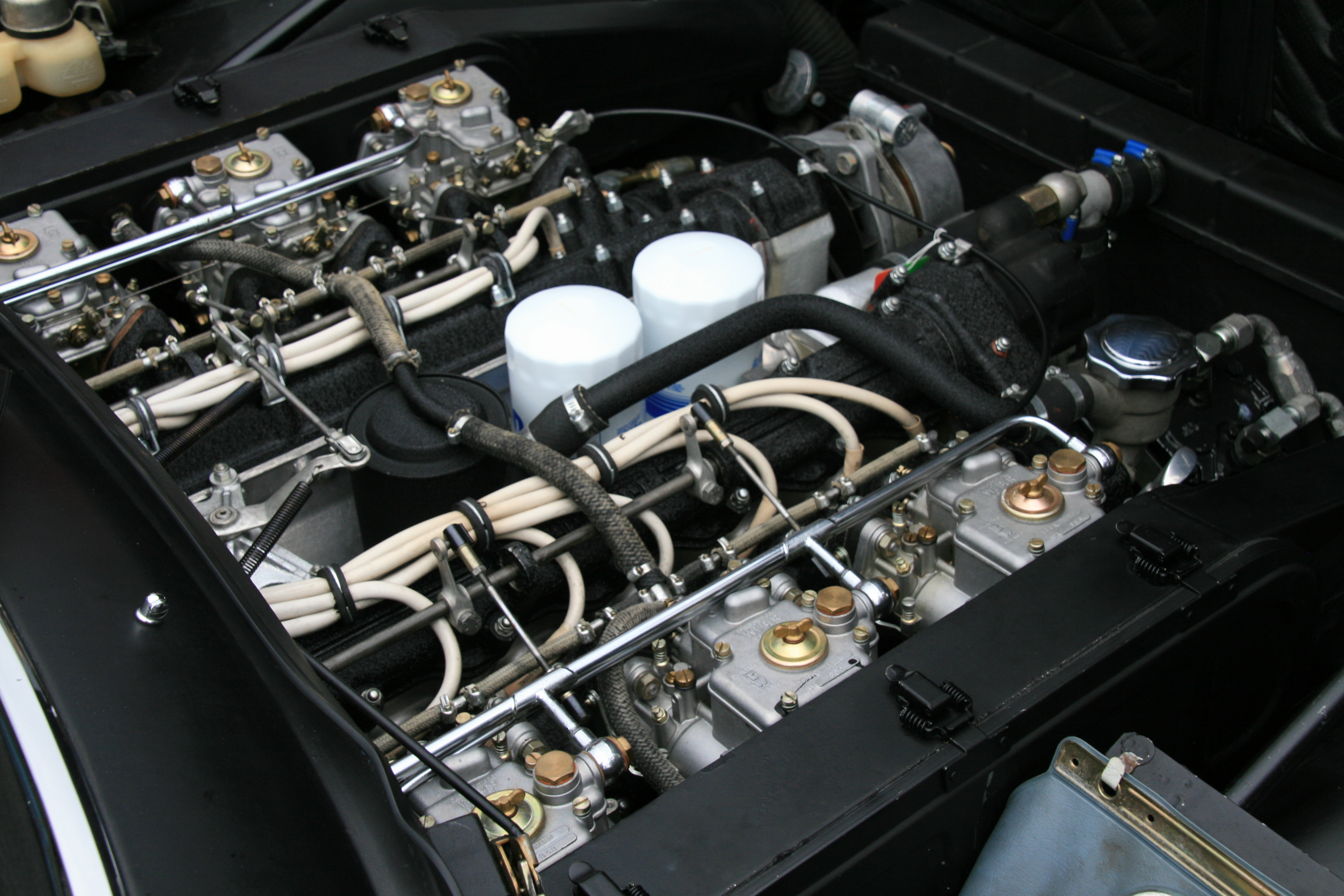
Under the hub of a Ferrari 365. 12 cylinders, 6 carburettors, 100% mechanic…

Mercedes 540 K.

.and a beautiful Bugatti with an even greater sound from the 20’s.
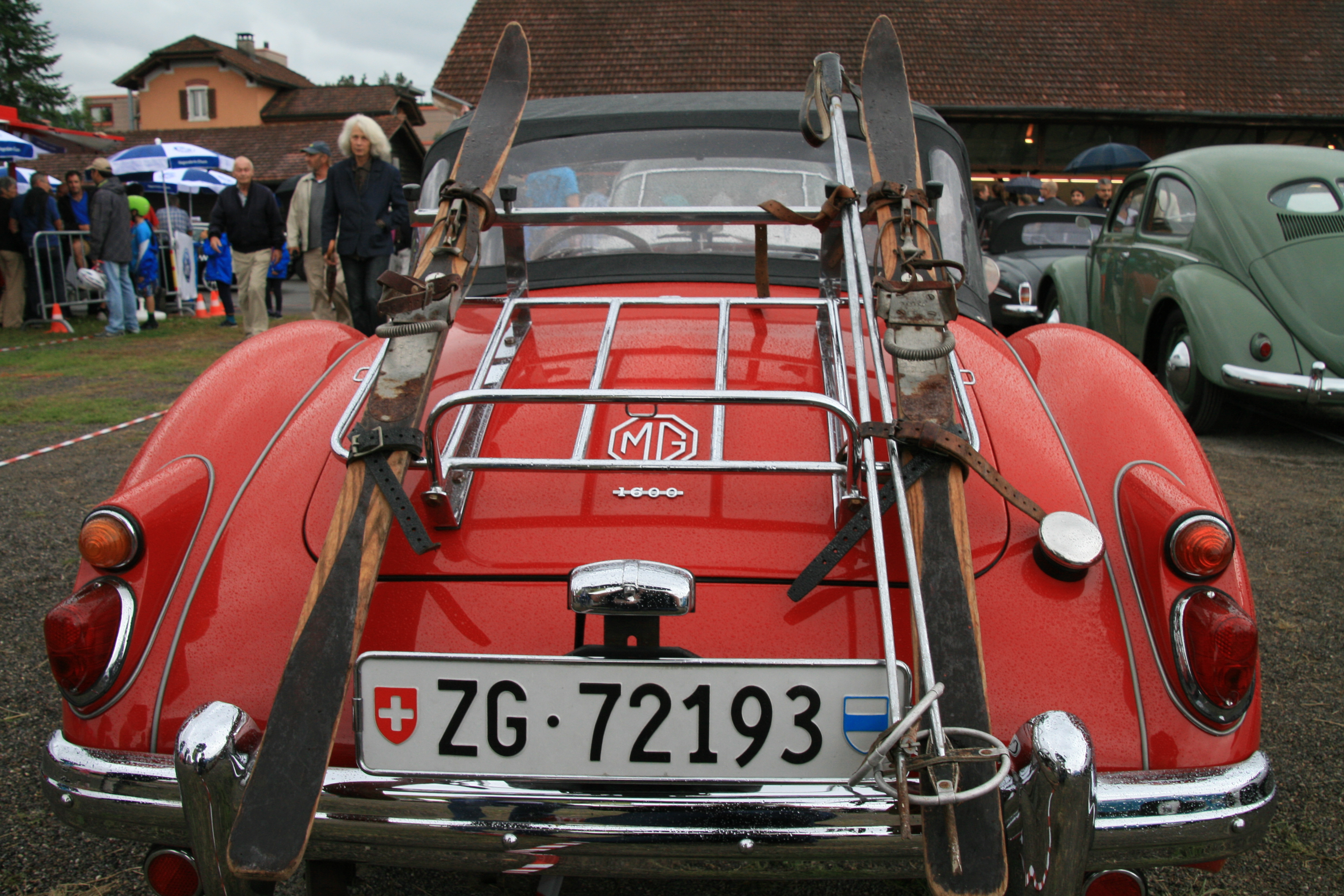 And finally, Swissness obliges!
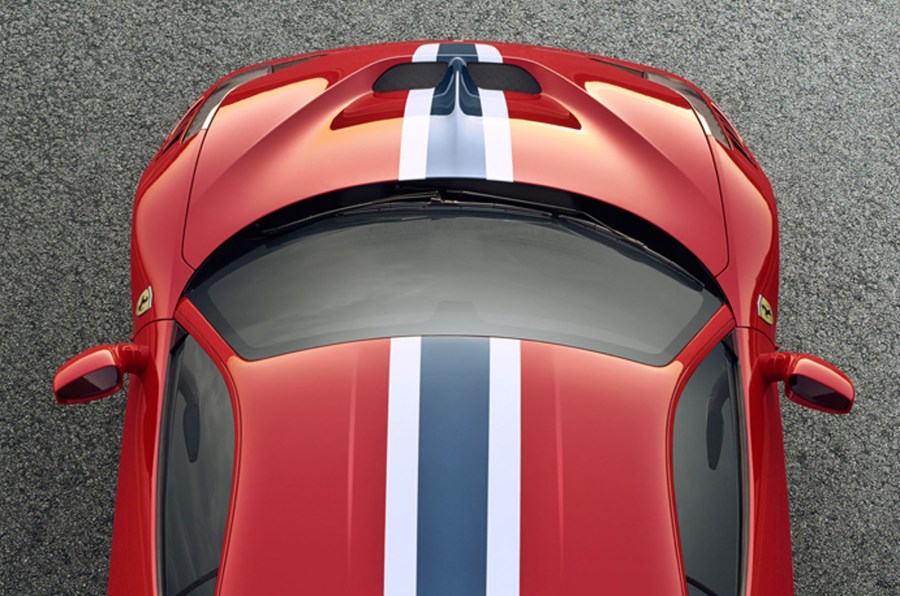
Ferrari has released info and photos of the 458 Speciale, the hardcore version of the 458 Italia.
Compared to the “standard” car, power is increased from 570 to 605 horsepower. More importantly the dry weight is reduced by 90 kg to 1290 kg. It accelerates from 0-100 km/h in 3 seconds dead.
And, by the way, I really, really want one…







Seen outside of Scotland Yard HQ in London yesterday. I assume the owner ran out of money after the no doubt expensive paintwork…
Which sounds best?

 The Thrill of Driving