Petrolheads

Today we are coming out as a petrolheads!

I started this car blog  in 2012 and I have been writing about cars anonymously since then. Last year I was joined by fellow blogger Christoffer.

On the About page of the blog, there is now a short description of Christoffer and myself.
You might learn a few thing about us that you didn’t know…!!!

/sven

Ferrari California T – World Première – the turbo is back!

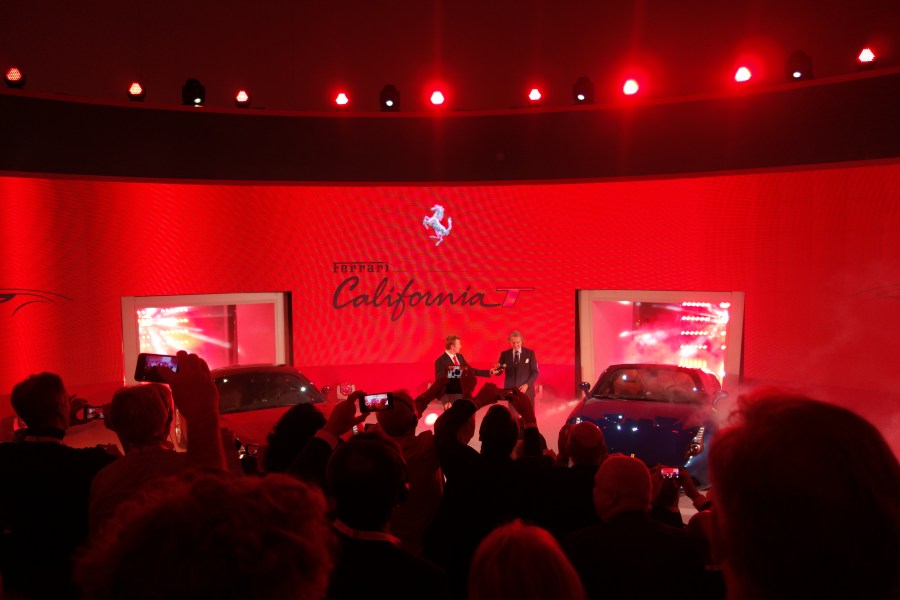
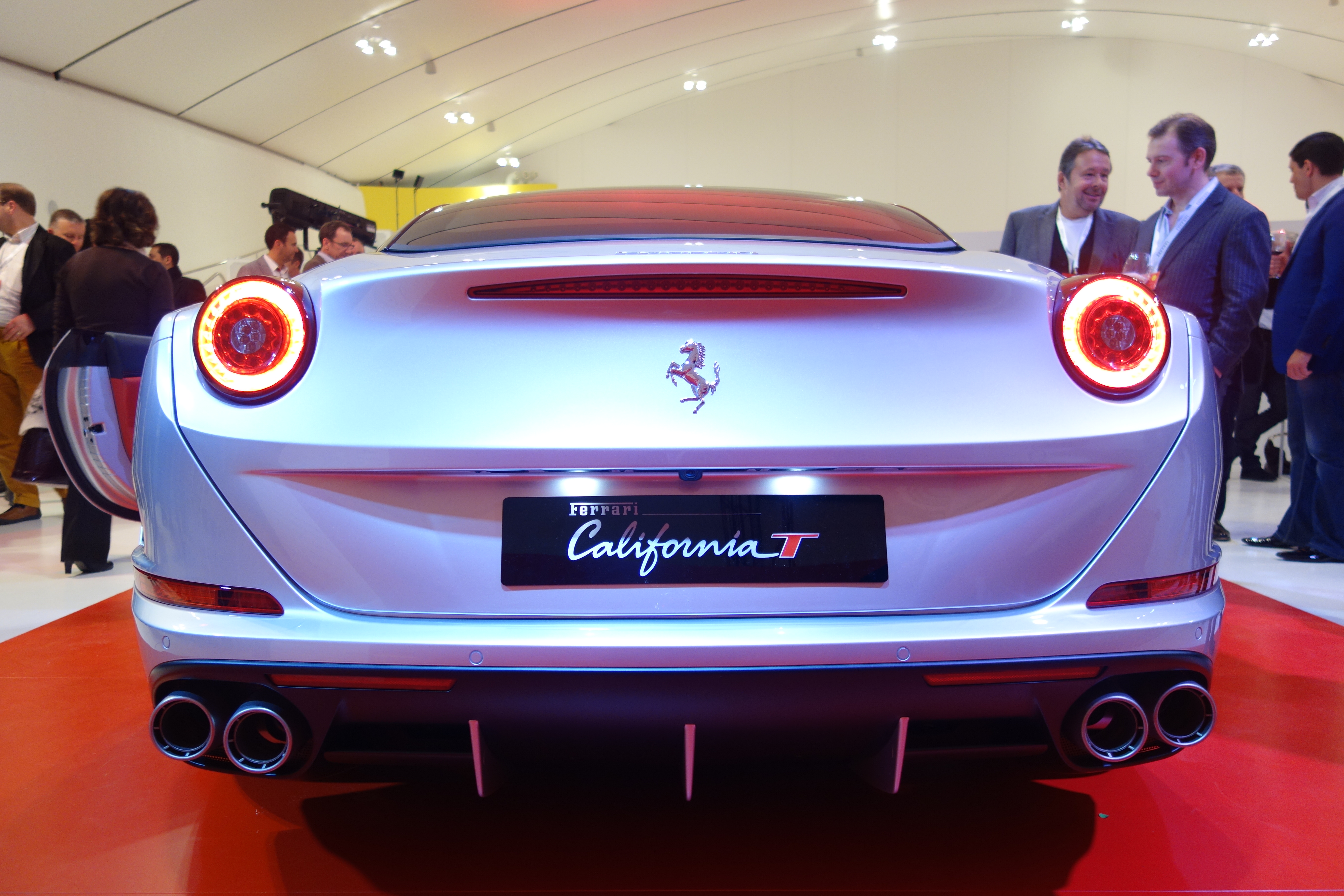
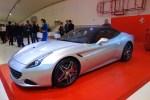
I had the privilege to attend the world première of the new Ferrari California T at the Museo Casa Enzo Ferrari in Modena in February.

Ferrari California T

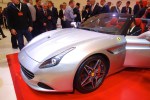
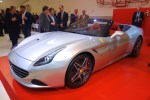
The front is all new and inspired by the Ferrari F12 and FF. It is much sportier and I have to say it looks much better than the original California (which I had the privilege to own). The back of the car, exhausts, diffuser etc. also looks better and sportier. The shape of its flanks is inspired by the classic Ferrari 250 Testa Rossa; not bad at all… It also has some resemblance to the beautiful (moderon) Alfa Romeo 8C.

Ferrari California T

Ferrari California T

The rear has been improved and is now lower and better looking.

The interior has been overhauled as well and is more in line with the other Ferrari models (458, FF and F12). The seats are thinner and thus provide more space in the back.

Technical highlights
The big news is the use of a turbocharger in a Ferrari. The last Ferrari with at turbo was the Ferrari F40, more than 20 years ago!

The specs are amazing; remember this is the “entry-level” Ferrari… (original California in brackets):

  • Power: 560 HP (460 HP)
  • Acceleration 0-100 km/h: 3.6 s (3.9 s)
  • Top speed 316 km/h (310 km/h)

Power is really up. To put this into perspective: it has 10 HP less than the 458, more power than any Lamborghini Diablo, only 20 HP less than the original Lamborghini Murcielago or 45 HP more than the Ferrari 575M V12.

Ferrari states, with a lot of emphasis, that there is no turbo lag and that the California T sounds like a proper Ferrari. Let’s wait and see…

Summarising it looks better and more athletic than the original California and it has the power to match it.

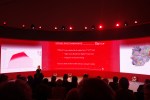
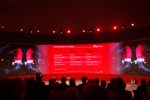
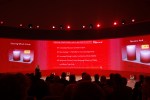
For those he want the tech details; the presentation:

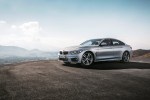
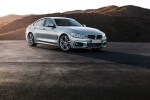
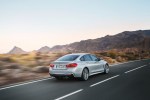
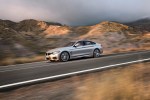
Picture Gallery: BMW 4-series Gran Coupé

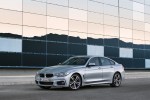
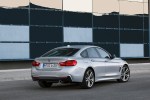
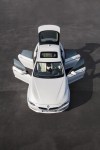
The 4-series Gran Coupé is really beautiful, specially with the optional M Sport Package, as seen in the picture gallery below. I saw it in the flesh at the Geneva Motor Show and liked it a lot.

For those who don’t follow BMW:s new, intricate numbering system:

  • The 3-series is build as a 4-door Saloon, a 5-door Touring or a 5-door GT (the latter is a BIG hatchback).
  • The 4-series is essentially the same car, but it is build as a 2-door Coupé, a 2-door Convertible or a 5-door “Gran Coupé”, i.e. an elegant 5-door hatchback with coupé-like roofline (think: Audi A5 Sportback)

Chaos as the F1 season kicks off in Melbourne

It was not as much the driving as what happened around it that led to a chaotic start of the F1 season in Melbourne yesterday. As the pre-season results had led us to believe reliability was indeed the major issue, with especially the Renault teams far from ready from a technical standpoint. For the first time ever in F1, several drivers including Swedish Marcus Ericsson had to retire before anything broke but to save their engines… As for the engine sound in 2014, we’ll be diplomatic and let everyone form their own opinion…
When the chequered flag dropped Nico Rosberg on Mercedes had won the race, in the season where his car carries the same number (6) as his father Keke had when he became world champion 32 years ago, in 1982. At this point, it also seemed that Red Bull had saved the day with Daniel Ricciardo finishing second, the first podium for an Australian ever in Melbourne. A short while later however, Red Bull and Ricciardo were disqualified because of too high fuel pressure in the engine, and Kevin Magnussen on McLaren who finished third was all of a sudden second and the most successful rookie since Jacques Villeneuve in 1996. Jenson Button on McLaren was the new third, and both McLaren’s and Mercedes day was hence close to perfect, as Valtteri Bottas on Mercedes was fifth after Fernando Alonso on Ferrari, the only car with a non-Mercedes engine in the top 5.

Mercedes is hence off to a good season start, and Red Bull to an awful one as Sebastian Vettel had been forced to park his car on the seventh lap. As mentioned previously on this blog, it’s quite possible that after a dreadful 2013, Williams emerges as the surprise of the season 2014. For Ferrari, finishing fourth and seventh, it was not too bad, but Alonso still made the comment that the car was only ready to about 60%. If he is right, there’s hopefully a lot of race excitement as opposed to technical and regulatory mishaps to look forward to as the teams move on to Malaysia in two weeks!


Geneva Motor Show 2014 – report

Thanks to a last minute reschedule of flights I was able to make it to the Geneva Motor Show this year. I was only able to spend about an hour visiting the Motor Show, so what follows is a short summary with a somewhat limited photo gallery (taken with my iPhone).

Porsche
The Porsche 991 Targa is as beautiful in the flesh as in the pictures and I was lucky enough to see the roof mechanism in action. Amazing…

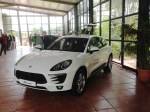
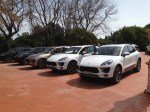
There were a couple of Macans in the stand, but both where in an awful dark brown metallic colour. The car looks good though, better than it’s bigger brother the Cayenne and better than the Audi Q5, with which the Macan partly shares the underlying platform.

IMG_1169

I tried the back seat of the Macan. Nice but marginally less spacious than my current BMW X3. The luggage space is smaller than the X3 as well.

Nice car though; I’m Thinking about selling the X3 and getting the Macan (or the Maserati Ghibli, see below).

BMW
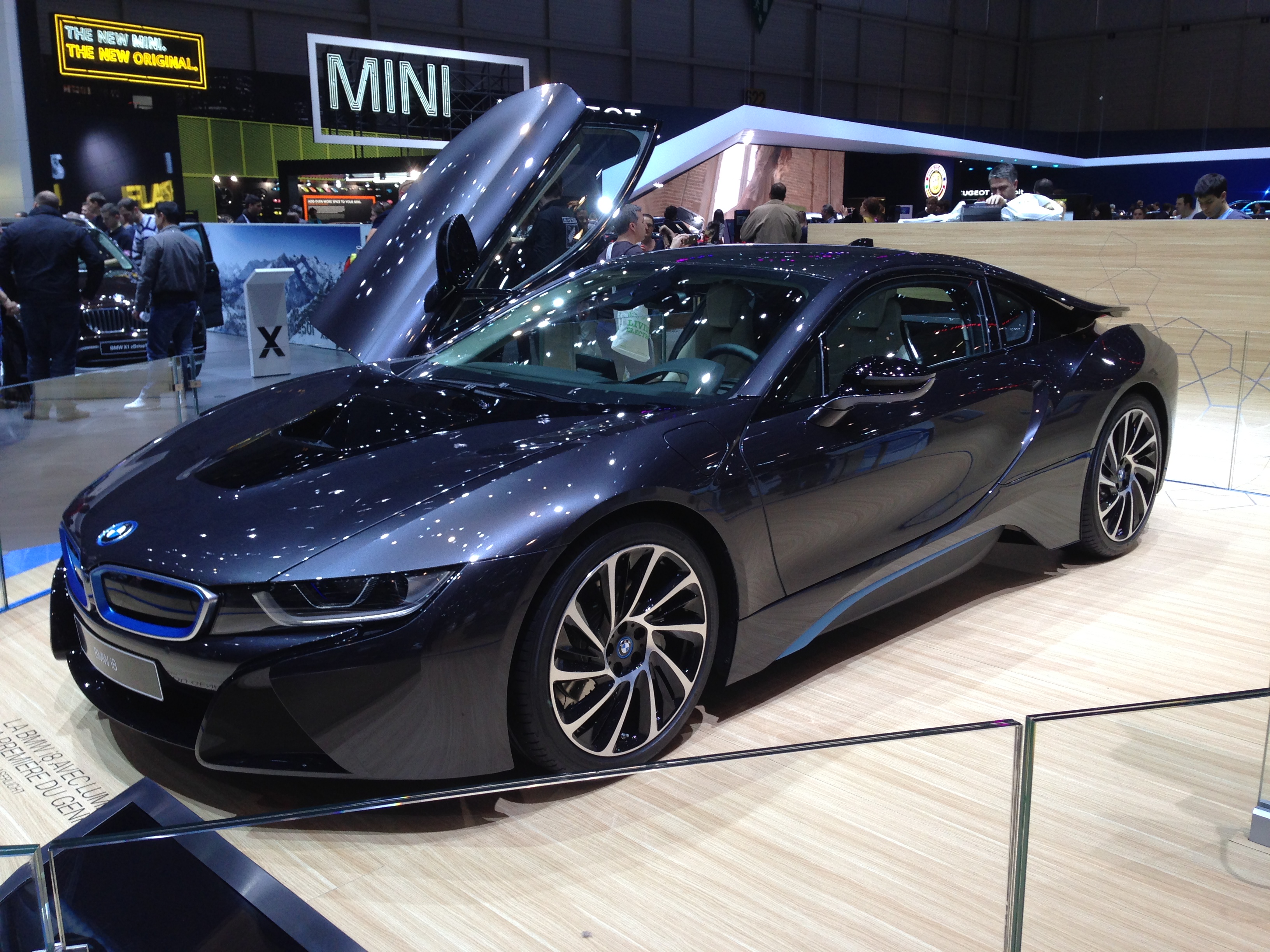
Looking at pictures, I have not been convinced about the styling of BMW’s electric sports car, the i8, but in the flesh it is absolutely stunning. In the dark grey colour exhibited on the stand it was very desirable. Maybe the most desirable sports car in Geneva; I didn’t see that one coming.

IMG_1158

The BMW 4-series Gran Coupé looks really good. I have also posted a large gallery of photos. Looking at this car, I wonder whether they will sell any 3-series Saloon…

IMG_1159

For those who don’t follow BMW:s new, intricate numbering system:

  • The 3-series is build as a 4-door Saloon, a 5-door Touring or a 5-door GT (the latter is a BIG hatchback).
  • The 4-series is essentially the same car, but it is build as a 2-door Coupé, a 2-door Convertible or a 5-door “Gran Coupé”, i.e. an elegant 5-door hatchback with coupé-like roofline (think: Audi A5 Sportback)

Tesla
The Model S is great. I liked it even more than I thought I would. Ergonomics are very good; the big centre touchscreen display is really easy to use. It  feels like “Car 2.0” or like the first iPhone. The future is here today…

It’s electric, it’s pretty, it’s practical (seats 5 or 7, huge boot) and it’s fast. What’s not to like? Maybe the interior doesn’t have the premium feel of the best german competitors…

Please read my fellow blogger’s excellent test drive report of the Tesla.

Ferrari
The new California T looks better than the original California (which I had the privilege to own during two years). I attented the launch of the California T a couple of weeks ago in Modena and will write a separate report on the car and the event. Stay tuned.

Maserati
The Alfieri concept car is very beautiful. Hopefully Maserati’s upcoming sports car (smaller than the GranTurismo), will look similar to this concept. Sorry about the poor picture.

IMG_1166

The Maserati Ghibli is a really nice entrant in the medium/high end saloon market, competing with the upmarket 6-cylinder versions of the BMW 5-series, Mercedes E-Klasse (and CLS) as well as the Audi A6. The blue car on the stand was highly desirable. I’m considering buying one, seriously.

IMG_1164

Jaguar
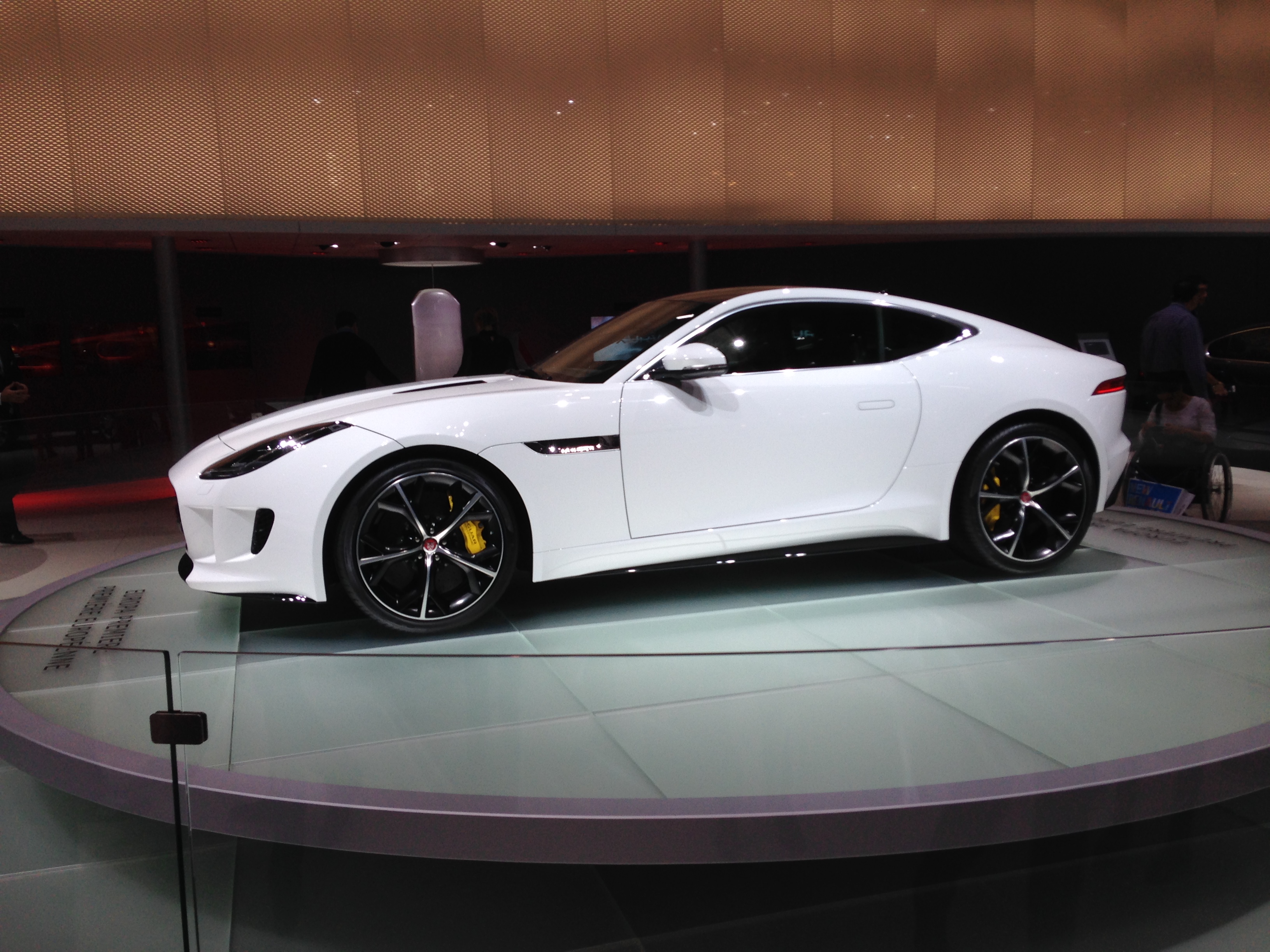
Could they build a car even more beautiful then the F-TYPE Convertible? Yes! The F-TYPE Coupé is absolutely stunning. On looks alone, this car is the Motor Show’s star:

IMG_1161

But the Convertible stills looks very good…

IMG_1163

Alfa Romeo
Alfa showed an open version of the 4C, the 4C Spyder. Nice design, in a Louts Elise kind of way, with added carbon fibre.

Audi
The new TT looks very similar to its predecesor. It’s nice but…yawn…

Lamborghini
The new Huracan is a stunner in the flesh, although a bit extreme for my taste. How did I not manage to take a proper picture?

Mercedes
S-Klasse Coupé
: considering the huge size of the car it is remarkably good looking…

IMG_1156

Short Summary
The BMW i8 and Tesla Model S surprised me, in a very positive way. The F-TYPE Coupé was a stunner.

Geneva Motor Show

Final testing session in Bahrain brings more of the same

The third and final F1 testing session in Bahrain over the weekend looked much like the previous two, with the Mercedes star shining relatively brightly upfront, Ferrari’s Cavallino Rampante finding at least three of its shoes, and Renault continuing to hit more troubles at the same speed as old ones are solved. Given the free training for the season’s first F1 race in Australia starts in ten days, there is no doubt lights will be on late over the coming weeks, both in the Renault and Red Bull factories.

d13bra1509

Little did they know at the end of last season, all the challenges they would face in 2014!

Lewis Hamilton led the time sheets after the last day of training in Bahrain and over the 12 official training days that have now taken place, the MB powered teams have accumulated a total of almost 18000 kms. In spite of this, not even MB and especially the Mercedes AMG Petronas team have managed to solve all issues, but they are clearly in what looks like pole position before the season start. Interesting to see is also that Mercedes-powered Williams has done very well in pre-season training and could emerge as something of a dark horse, especially with the very experienced Felipe Massa as one of the two drivers (the other one being Valtteri Bottas). Mercedes-powered Force India has also done very well both in Jerez and Bahrain.

For Ferrari it has been a mixed bag but ever so slowly, it looks like the team is getting there. Both Kimi Räikkönen and Fernando Alonso have struggled with reliability issues in all training sessions, but talk quite confidently about the potential still to be unlocked from the F14T. Whether that happens in time for Australia or later in the season remains to be seen.

Finally (an order that also corresponds to all the training sessions) all Renault-powered teams and especially Red Bull continue to struggle big time. RB managed a decent 77 laps  on the final day in Bahrain but overall in the pre-season training sessions they only leave Marussia and Lotus behind them in terms of number of laps completed (and Lotus didn’t even participate in Jerez). The discussion is now on who is most to blame, Red Bull or Renault, but given that all Renault-powered teams have similar issues, clearly a lot of the blame is found with the French manufacturer. Red Bull say they have identified the issues and hope to have fixes in place for Australia, and other drivers speak respectfully about the “potential” of the RB10 (probably mostly to take the pressure off themselves…). Unlocking that potential in ten days time would seem completely unrealistic for any other team than the 4-time world champions, and must be doubted even for them. What seems certain is that it will be an exciting season start down under in the middle of March!


Mercedes continues to dominate second pre-season testing in Bahrain

The second pre-season training session in Bahrain on February 19-22 brought roughly the outcome as the first testing days in Jerez early February days. Mercedes continues to dominate the field, with Nico Rosberg setting the best time on the last training day over 1.5 seconds ahead of second placed Jenson Button (Mc Laren), and Mercedes by far completing the most laps over the three days. Ferrari did manage a net improvment compared to Jerez with Kimi Räikkönen setting the third time and the team managing far more laps than the first time around.

As for the Renault teams, it continues to be a mixed bag at best. Again (and again surprisingly), Caterham did quite well and has so far managed most laps of any Renault team in 2014, boding well for Swedish rookie Marcus Ericsson. As for Red Bull there seems to be no end to the problems, although Daniel Ricciardo managed the 7th best time during the last day. There are however still lots of issues it seems, both in software and mechanically, with reliability currently being close to zero.  Red Bull thus have high hopes for the last pre-season training session, again taking place in Bahrain over the next weekend. Whether the world champions will be ready in time for the start of what looks like a highly interesting season is no doubt the big question!

ad-10052009-1

How much energy will be in it at the start of the season?

Jerez 2014 – French frustration, German satisfaction

The 2014 F1 season’s first testing week in Jerez had been much anticipated given the number of changes to the cars and the power units for the new season. And in terms of action, it certainly didn’t disappoint. The potential reliability issues we brought up when describing the rule changes for the new season (see here) hit especially the Renault power units with a vengeance, and none more than Red Bull. Engine cooling was the big issue, and RBR’s new car RB10 therefore spent most time off the track whilst rivals were collecting both laps and experience. At the end of the week, the three Renault teams had managed 151 laps, however of these RBR only managed 21. In contrast, the four Mercedes teams completed 875 laps and the three Ferrari teams 444.

F1-2014-Red-Bull-RB10-Vettel-Formel-1-Rennwagen-06
You can leave the cover on, boys...

Too much should not be read in to the season’s first testing week, especially not to lap times, but it is fair to say that RBR has a lot of work to do before, and a lot to prove during the next testing week in Bahrain on February 19-22.

Judging by the drivers’ comments there was a lot of satisfaction with the new cars. The torque provided by the new engines make them feel very powerful and the new 8-speed gearbox along with thew new breaking system also contribute to making the experience different. Finally the number of buttons on the new steering wheel will take some getting used to, and the wheel was by many likened more to a smart phone.

steering-inline3
Right, let’s see, was it the red one or, eerrr, the green, or…

Jerez was Swedish F1 rookie Marcus Ericsson’s first showing for Caterham, and at least Caterham was the Renault-powered team that managed most laps. It was however another Scandinavian who stole the attention; Mc Laren’s Danish rookie Kevin Magnussen clocked the fastest lap of the week!

Ferrari quickest on first day of F1 testing in Jerez

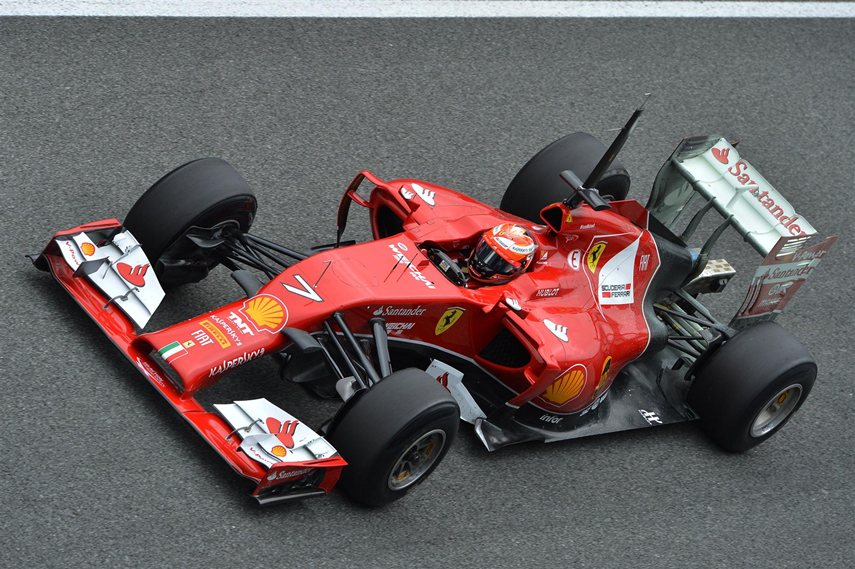
Räikkönen in the Ferrari F14-T was quickest on the first day of pre-season testing on tuesday.

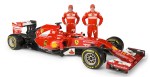
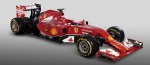
Ferrari F14-T

Only eight cars set times in a session where some teams didn’t run at all and other teams had serious reliability problems. Lewis Hamilton crashed due to a front wing failure.

Unofficial Tuesday test times from Jerez:
1. Kimi Raikkonen, Ferrari, 1m 27.104s, 31 laps
2. Lewis Hamilton, Mercedes , 1m 27.820s, 18 laps
3. Valtteri Bottas, Williams, 1m 30.082s, 7 laps
4. Sergio Perez, Force India, 1m 33.161s, 11 laps
5. Jean-Eric Vergne, Toro Rosso, 1m 36.530s, 15 laps
6. Esteban Gutierrez, Sauber, 1m 42.257s, 7 laps
7. Sebastian Vettel , Red Bull, No time, 3 laps
8. Marcus Ericsson, Caterham, No time, 1 lap

F1 in 2014 – overview of all the changes for the new season

Had someone claimed 10 years ago that in 2014, F1 cars would be powered by 1.6 l engines delivering over 600 bhp, he would most certainly have been laughed at. And yet that is precisely what has happened, one one hand testifying to the extraordinary technical progress F1 has gone through in the last decade, on the other to how difficult it is to predict the future. However it is not only the engines that will change in 2014. In fact the coming season will see the most fundamental changes to the sport since it all started, and for that reason we felt it could be useful to give you an overview of the most important areas affected, along with some thoughts on how that could influence the outcome of the 2014 championships – knowing, as mentioned, that predicting the future is difficult indeed…

1283
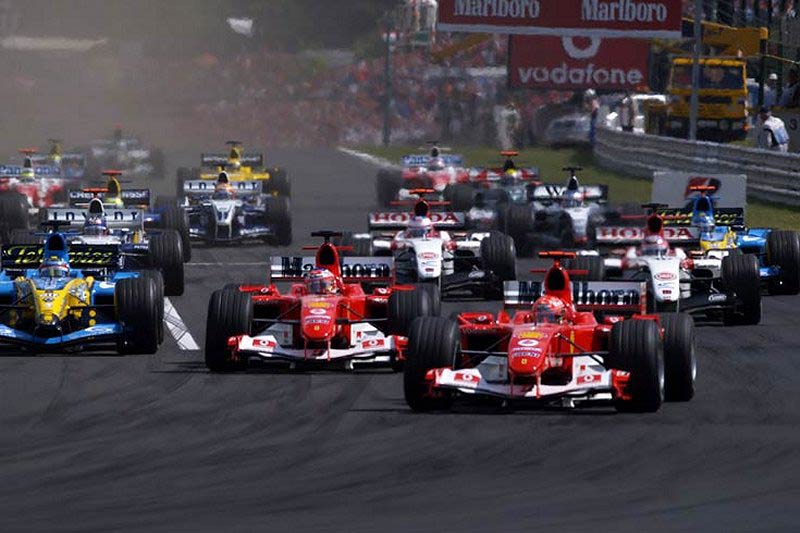
They may have been less safe, but no doubt F1 cars looked better 10 years ago, in 2004…

Engine: all cars will be powered by a 1.6 litre, turbo-charged V6 engine, supported by an ERS system which replaces last year’s KERS and gives about twice the power of the latter. Max rev’s are limited to 15.000 rpm. The ERS system is highly complex and consists of two motors/generators, one linked to the engine, the other to the turbo. Not only will the power be higher, it will also be available for longer (in numbers 120 Kw during 33 seconds as opposed to the 60 Kw during 6.6 seconds given by KERS last year). The minimum weight of the whole unit is set at 145 kg. Max fuel for a race is set at 100 kg, a reduction of 40 kg versus last year.

Gearbox: made out of carbon, the ratios of the 8-speed gearbox may only be changed once during the season.

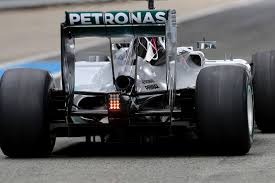
Chassis: no one has missed the more or less catastrophic look of the noses on the new cars. The reason for this design nightmare is new regulation, aimed at preventing cars from lifting off when hitting another car from behind. This is however only one of a number of chassis and body changes for 2014, mostly aimed at reducing traction and hereby lowering the cars’ cornering speed. The front wing may thus not be larger than 165 cm (-15 cm vs last year) and the whole lower part of the rear wing has been removed. The exhaust must now be mounted centrally in the back, the sideways mounted exhausts that helped aerodynamics are no longer allowed. The opening of the rear wing has been somewhat increased, helping the DRS effect. Finally the side boxes will look a bit different as the cooling system has increased in size, driven by the larger cooling need of the highly complex engine.

Weight: minimum weight has been increased by 49 kg to 691 kg, still however posing a big challenge to the teams as it only partly compensates for the increased weight of all the new components described above.

f1-sideview-inline
Fitting the engine with all its components into the new cars – not an easy task!

It is fair to say that the engineers have thus had a number of nuts to solve in order to fit everything into the new cars and try to meet (and optimize the outcome of) the new regulation. How well they succeed remains to be confirmed as the new season starts. Development costs money so it is probably fair to say that as always, the bigger teams, and especially the factory teams, have an advantage on paper. It is however easy to imagine that with all the complexity added, reliability will again be on the agenda, possibly along with fuel consumption. Clearly the new engines consume less, but we could well have more “excitement” towards the end of races when some drivers start to run out of fuel.

On a technical level, it seems therefore that the F1 circus will prove the Amis wrong: there is indeed a substitute for cubic inches. One question will however remain unanswered until March 16, when the season kicks off in Melbourne, and that is what 20 cars powered by 1.6 l turbo engines sound like, and whether acoustically you will still recognize this as F1 or rather think you are watching the Renault Clio cup. Let’s cross fingers and hope for the best…

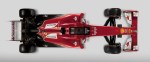
Sauber C33 Ferrari – best-looking 2014 car so far!

Swiss Formula 1 team Sauber yesterday presented their 2014 car C33, if you ask me by quite some margin the best looking car of the models we have seen so far and with a remarkably ordinary nose! In spite of severe financial worries last year, Sauber has apparently managed to finance the new season mostly through its driver line-up where both the test drivers Sergei Sirotkin (RUS) and Giedo van der Garde (NL) as well as the regular driver Esteban Gutierrez (MX) have brought sponsor money. The only driver who hasn’t bought his way in, to put is somewhat harshly, is the second ordinary driver Adrian Sutil (GER).

ebf90df55aUnknown-1

Marcus Ericsson first Swede in F1 in 23 years!

Not since Stefan “Lill-Lövis” Johansson left the F1 circus in 1991 has there been a Swede that has made it beyond the test driver status in F1 (that was by the way Björn Wirdheim who test drove for Jaguar a few years ago). That will change in 2014 when Swedish 23-year old Marcus Ericsson will take one seat in the Caterham team, the other one going to Kamui Kobayashi, ex-Sauber. Ericsson finished sixth last year in the GP2 series, but apparently still managed to show he has talent. Given Caterham finished last in the team ranking last year it will definitely not be an easy ride, not even within the team as Kobayashi obviously has much more experience, but at least he gets a chance and it bodes well for both the interest and coverage of F1 in Sweden!

Unknown

Porsche 911 Targa (991) – first pictures!

Boy, does the new 991 Targa look good!!!

The new design is much closer to the original Targa from the 70s, as opposed to the glass-roofed 996 and 997 Targa.

Apparently it will be available only with 4WD (Targa4 and Targa4S models) as it is based on the wide body 4WD Carrera cabriolet.

How the Targa roof can fold automatically is hard to understand, but we will know more this afternoon after Porsche’s press conference in Detroit at 17:45 CET.  

Test drive of the Tesla Model S – the true meaning of torque!

After visiting the Tesla store in Zurich earlier this fall, I wrote quite an enthusiastic review based on first impressions of Tesla’s family sedan, the Model S (found here). Finding time for a test drive took longer than expected, but earlier this week it became reality – and boy what a life-changer it was!

Given I described the first impression of the car quite extensively in my first review I’ll pass on the details but what strikes you every time you step into the Model S is how spacious it is. The absence of an engine in the front has left space for quite a sizeable, second luggage compartment of 150 litres, easily fitting two larger bags, which together with the hatchback solution in the rear means around 900(!) litres of luggage space with five seats (and over 1600 litres if you fold the back seats). This means the Tesla is a true family car option, as long as your children are not oversized (the limited headroom on the back seats means people over 180 cms will hit the roof).

Tesla-Model-S-white-right-front-1-1024x640

With the Tesla salesman (a converted banker, mind you…) next to me, I took possession of a pearl white Model S with black interior, to me the best colour combination. It had the stronger of the two offered engines (85 KwH, 414 bhp, range around 400 kms) with the so called performance package, meaning a better handling chassis and a torque of 600 Nm, rather than 440 Nm in the standard 85 KwH version. It also featured the panoramic roof that opens larger than the sun roof of any other current production car.

Driving a Tesla in the city is quite undramatic. Obviously there is no engine noise but to be fair, I don’t hear the engine in my MB either, and the Tesla is still exposed to surrounding noise. Fascinating at first, but easy to get used to, is the strong engine breaking sensation developing as you take your foot off the pedal. This is the engine regenerating electrical power and once you learn to manage it (which takes roughly 5 minutes), it means you can actually drive the car without breaking in 9 cases out of 10. It also means that driving down an alpine road for example, when regeneration will be particularly high, your range will develop positively. What also strikes you immediately is obviously the 17 inch info screen that occupies the center of the car and from which basically everything is handled. This system always has an internet connection, over Wifi or 3G, financed by Tesla all through Europe. That’s right, no roaming charges if you take the car on a trip abroad!

Tesla-Model-S-Performance-interior-seat

With this in mind, the remaining driving experience in the city is completely undramatic. The car handles well, together with the suspension clearly on the sporty side, quite reminiscent of a 5-series BMW. Seats are comfortable (although they could do with some more lateral support) and the cabin, lacking a transmission tunnel, is very roomy.

And then at some point you come onto the motorway, and this is when all you thought you knew of motoring (or indeed electrical cars!) changes – forever. The nature of an electrical car means that torque is constant irrespective of the speed, and power delivery is instant, as there is no transmission, turbo or other to delay it. So when you floor it at 60, 80 or 100 km/h, you immediately have 600 Nm of torque hitting you in the blink of an eye. This means the Tesla does 0-100 km/h in around 4.5 seconds but even more impressive, it does 80-120 km/h in less than three seconds, roughly on par with a Panamera Turbo, but beating an Aston Martin Rapide (that money-wise will both set you back considerably more). The feeling when it does so is quite simply unlike anything you have ever experienced. It is also very, very addictive, and something every motor enthusiast should try out.

On smaller roads the impression of a well-handling, rather sporty car is confirmed. Given the 600 kgs of battery power sit in the floor, the center of gravity is low, and weight repartition at 48/52 is excellent. Sure, it doesn’t behave like a 911, but again this is a large, family sedan. It may feel slightly heavy (after all it weighs 2.1 tonnes…) but there is no roll to talk about, steering is precise and the (air) suspension is well-behaved.

images
Not a recommended way of driving considering the range…

No negative points? Sure, there are a few. As mentioned the seats could be more supportive, the fact that a high-tech car like the Tesla lacks modern functions such as a lane assist or an intelligent cruise control is disappointing, and some parts of the interior, especially in the boot, lack premium feel. But when you floor that pedal, you will forgot all of the above very quickly…

Since my first visit at Tesla, the company has cut delivery times to 4-5 months, and the Model S has become the most sold car in Norway, a country with high car taxes but strong subsidies on alternative fuel cars. And looking at the financial side even if you live outside of Norway is quite interesting (at least in Switzerland but surely in other countries as well): buying a properly equipped 85 KwH Model S sets you back around 105.000-120.000 CHF, i.e. roughly the same as a large German sedan with similar equipment (but without an engine that in any way can match the experience). But after that, it’s only good news. Comparing costs to my current MB E350, this is what it looks like: no road tax for electrical cars in Zurich (+700 CHF), service included for the first four years (around +1000 CHF on 20.000 kms/year), cheaper insurance (+700 CHF) and “fuel” costs on 20.000 kms of around 600 CHF rather than around 3700 CHF (+3100 CHF) in my case means a net saving of around 5500 CHF – per year. From that perspective, the price is more than fair. There is also a 4 year warranty on the car and 8 years on the batteries, and a resell level that will probably by far exceed conventional cars.

Tesla is also becoming a serious pain in the butt for larger (German) carmakers. How can a company with no car manufacturing tradition and a couple of thousand employees come up with a car that in some aspects is lightyears ahead of competition? How can they sell it at 100.000 CHF, when a small BMW i3 with some basic equipment but less than half the range (not to talk about the power or the size) costs more than 50.000 CHF? How can Tesla offer an infotainment solution that is constantly online over 3G all over Europe? The Germans had better find an answer to these questions sooner rather than later.

Likewise, it is high time for Europe’s politicians to wake up. This is a car that at zero emissions could seriously change Europe’s automotive landscape, especially if Tesla as promised comes out with a cheaper model in the coming years, Still, in most cases, it is Tesla that needs to finance the power charging stations built over Europe out of their own pocket. Where are the initiatives in this direction from the various types of green parties that like to talk the talk, but rarely walk the walk?

While these questions are answered, go and test drive a Tesla. You won’t regret it…