Test drive of the Tesla Model S – the true meaning of torque!

After visiting the Tesla store in Zurich earlier this fall, I wrote quite an enthusiastic review based on first impressions of Tesla’s family sedan, the Model S (found here). Finding time for a test drive took longer than expected, but earlier this week it became reality – and boy what a life-changer it was!

Given I described the first impression of the car quite extensively in my first review I’ll pass on the details but what strikes you every time you step into the Model S is how spacious it is. The absence of an engine in the front has left space for quite a sizeable, second luggage compartment of 150 litres, easily fitting two larger bags, which together with the hatchback solution in the rear means around 900(!) litres of luggage space with five seats (and over 1600 litres if you fold the back seats). This means the Tesla is a true family car option, as long as your children are not oversized (the limited headroom on the back seats means people over 180 cms will hit the roof).

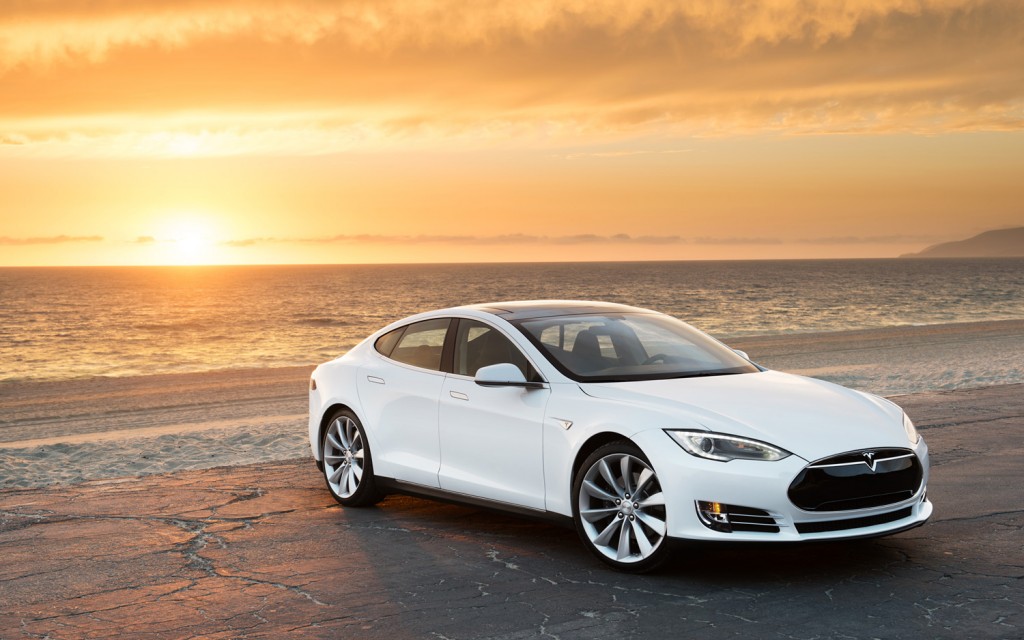
Tesla-Model-S-white-right-front-1-1024x640

With the Tesla salesman (a converted banker, mind you…) next to me, I took possession of a pearl white Model S with black interior, to me the best colour combination. It had the stronger of the two offered engines (85 KwH, 414 bhp, range around 400 kms) with the so called performance package, meaning a better handling chassis and a torque of 600 Nm, rather than 440 Nm in the standard 85 KwH version. It also featured the panoramic roof that opens larger than the sun roof of any other current production car.

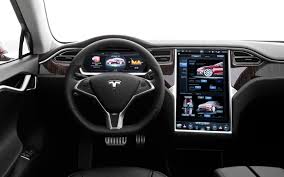
Driving a Tesla in the city is quite undramatic. Obviously there is no engine noise but to be fair, I don’t hear the engine in my MB either, and the Tesla is still exposed to surrounding noise. Fascinating at first, but easy to get used to, is the strong engine breaking sensation developing as you take your foot off the pedal. This is the engine regenerating electrical power and once you learn to manage it (which takes roughly 5 minutes), it means you can actually drive the car without breaking in 9 cases out of 10. It also means that driving down an alpine road for example, when regeneration will be particularly high, your range will develop positively. What also strikes you immediately is obviously the 17 inch info screen that occupies the center of the car and from which basically everything is handled. This system always has an internet connection, over Wifi or 3G, financed by Tesla all through Europe. That’s right, no roaming charges if you take the car on a trip abroad!
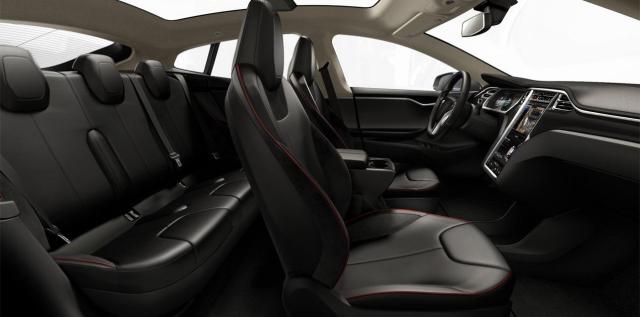
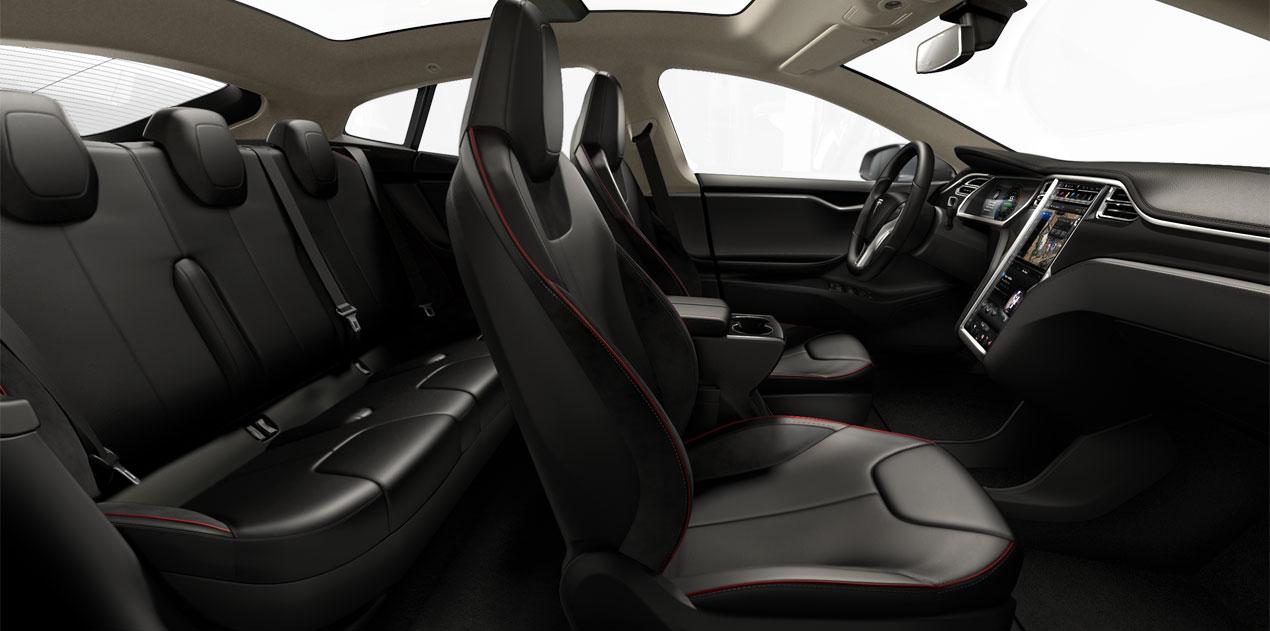
Tesla-Model-S-Performance-interior-seat

With this in mind, the remaining driving experience in the city is completely undramatic. The car handles well, together with the suspension clearly on the sporty side, quite reminiscent of a 5-series BMW. Seats are comfortable (although they could do with some more lateral support) and the cabin, lacking a transmission tunnel, is very roomy.

And then at some point you come onto the motorway, and this is when all you thought you knew of motoring (or indeed electrical cars!) changes – forever. The nature of an electrical car means that torque is constant irrespective of the speed, and power delivery is instant, as there is no transmission, turbo or other to delay it. So when you floor it at 60, 80 or 100 km/h, you immediately have 600 Nm of torque hitting you in the blink of an eye. This means the Tesla does 0-100 km/h in around 4.5 seconds but even more impressive, it does 80-120 km/h in less than three seconds, roughly on par with a Panamera Turbo, but beating an Aston Martin Rapide (that money-wise will both set you back considerably more). The feeling when it does so is quite simply unlike anything you have ever experienced. It is also very, very addictive, and something every motor enthusiast should try out.

On smaller roads the impression of a well-handling, rather sporty car is confirmed. Given the 600 kgs of battery power sit in the floor, the center of gravity is low, and weight repartition at 48/52 is excellent. Sure, it doesn’t behave like a 911, but again this is a large, family sedan. It may feel slightly heavy (after all it weighs 2.1 tonnes…) but there is no roll to talk about, steering is precise and the (air) suspension is well-behaved.
images
Not a recommended way of driving considering the range…

No negative points? Sure, there are a few. As mentioned the seats could be more supportive, the fact that a high-tech car like the Tesla lacks modern functions such as a lane assist or an intelligent cruise control is disappointing, and some parts of the interior, especially in the boot, lack premium feel. But when you floor that pedal, you will forgot all of the above very quickly…

Since my first visit at Tesla, the company has cut delivery times to 4-5 months, and the Model S has become the most sold car in Norway, a country with high car taxes but strong subsidies on alternative fuel cars. And looking at the financial side even if you live outside of Norway is quite interesting (at least in Switzerland but surely in other countries as well): buying a properly equipped 85 KwH Model S sets you back around 105.000-120.000 CHF, i.e. roughly the same as a large German sedan with similar equipment (but without an engine that in any way can match the experience). But after that, it’s only good news. Comparing costs to my current MB E350, this is what it looks like: no road tax for electrical cars in Zurich (+700 CHF), service included for the first four years (around +1000 CHF on 20.000 kms/year), cheaper insurance (+700 CHF) and “fuel” costs on 20.000 kms of around 600 CHF rather than around 3700 CHF (+3100 CHF) in my case means a net saving of around 5500 CHF – per year. From that perspective, the price is more than fair. There is also a 4 year warranty on the car and 8 years on the batteries, and a resell level that will probably by far exceed conventional cars.

Tesla is also becoming a serious pain in the butt for larger (German) carmakers. How can a company with no car manufacturing tradition and a couple of thousand employees come up with a car that in some aspects is lightyears ahead of competition? How can they sell it at 100.000 CHF, when a small BMW i3 with some basic equipment but less than half the range (not to talk about the power or the size) costs more than 50.000 CHF? How can Tesla offer an infotainment solution that is constantly online over 3G all over Europe? The Germans had better find an answer to these questions sooner rather than later.

Likewise, it is high time for Europe’s politicians to wake up. This is a car that at zero emissions could seriously change Europe’s automotive landscape, especially if Tesla as promised comes out with a cheaper model in the coming years, Still, in most cases, it is Tesla that needs to finance the power charging stations built over Europe out of their own pocket. Where are the initiatives in this direction from the various types of green parties that like to talk the talk, but rarely walk the walk?

While these questions are answered, go and test drive a Tesla. You won’t regret it…

Big financial problems at Swiss Formula 1 team Sauber

The Swiss-based Formula 1-team Sauber is, like most non-factory teams, in quite acute financial trouble. This summer Sauber announced it had secured financing through a Russian investor as part of a deal to hire the Russian driver Sergei Sirotkin for the 2014 season. A few months on Sauber is still waiting for the money, and the number of unpaid bills keep increasing. The company currently has 57 creditors that have started legal enforcement procedures for a total amount of around 500.000 CHF, including the Zurich electricity power company, that Sauber ows around 50.000 CHF. It could therefore be that the lights literally go out soon at Sauber’s HQ in Hinwil outside of Zurich, and one can’t help wondering how a F1 team can possibly survive another season if it can’t pay its running costs? If the Russian money does not come soon, the odds are that there will be at least one team less in the 2014 F1 line-up!

Image

Sauber F1 team – soon without engine and wheels?


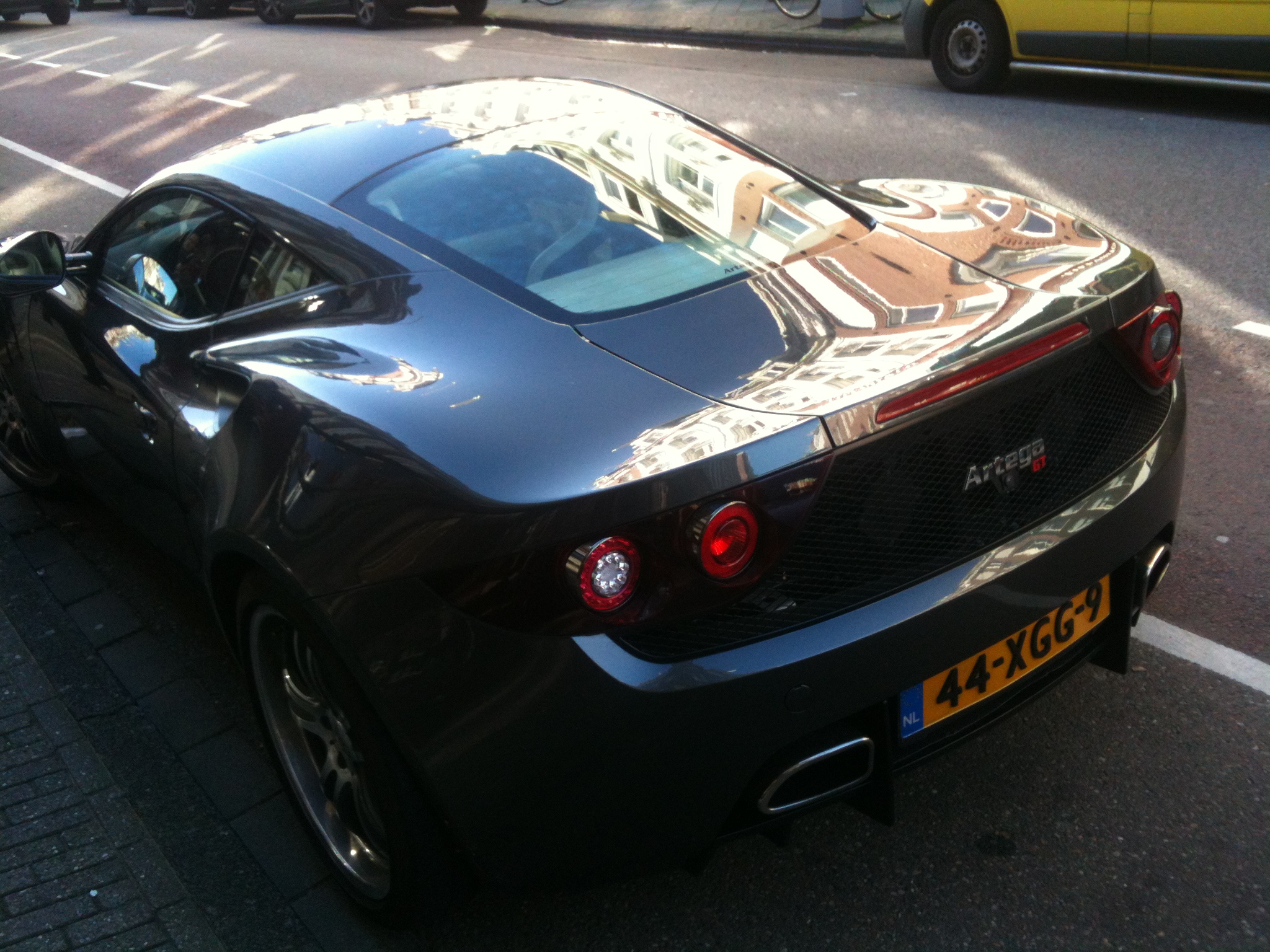
As seen in Amsterdam… the Artega GT

On a recent trip to Amsterdam walking down one of the main shopping streets, I passed a quite beautiful car I’ve never seen before. Having read up on its history afterwards I suspect I may not be the only one to which this was a new discovery, and I am thus happy to introduce you to the Artega GT from the German brand Artega! Image

Artega was founded in 2006 as a small car manufacturing company. The first and only model GT was shown in Geneva in 2008 and production started in 2009, in a new plant built in the German city of Delbrück. It was powered by the 6-cylinder, 3.6 litre 300 hp engine that was also found in some VW top models,  along with the VW six-speed DSG gearbox. The limited weight of around 1300 kg helped it to a 0-100 km/h time of 4.8 seconds and a top speed of over 270 km/h. Marketed at a very reasonable price of around 75.000 EUR as new, the Artega GT received quite a lot of praise from the automotive press. Chassis and handling and value for money were deemed very good, the somewhat dead steering feel, the oversized rearview mirrors and some typical small-manufacturer tweeks less so. 

Image

Unfortunately, as with so many small scale manufacturers, the 35-employee Artega car company didn’t survive for long. After a couple of company restructurings and plans for both a convertible and an electric hybrid version, production ceased in 2012 after as little as 130 cars produced. Obviously most of these are still around today, but it’s still far from a car you risk seeing on the next corner. There are currently 12 Artegas for sale on the German site mobile.de, with prices starting just below 50.000 EUR. For a very rare car likely to preserve value quite well, no doubt offering quite a lot of driving thrill and based on an engine and gearbox that can be serviced at the next VW garage, that is actually quite a bargain…

Oldtimer Sunday Morning Meeting

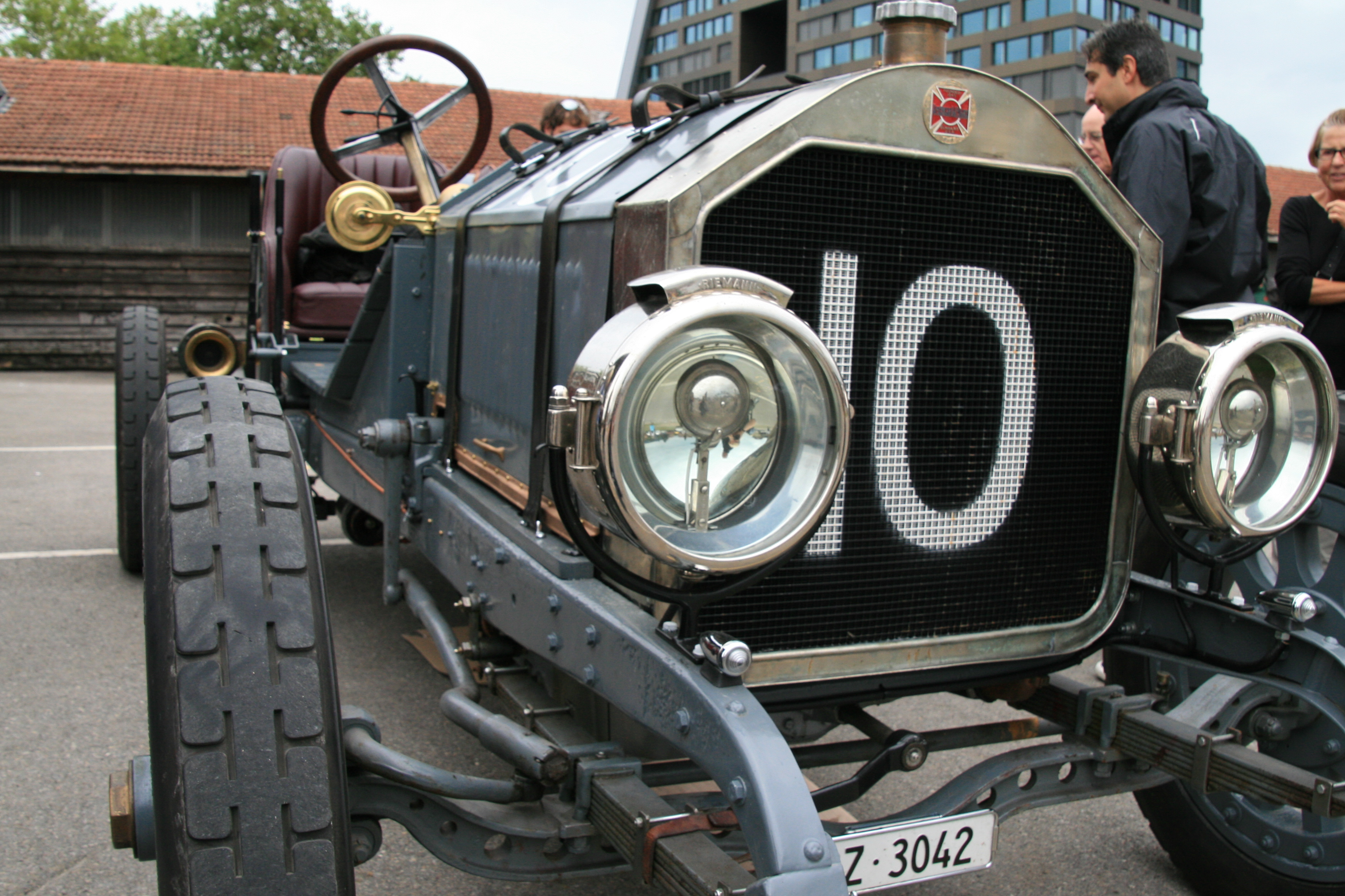
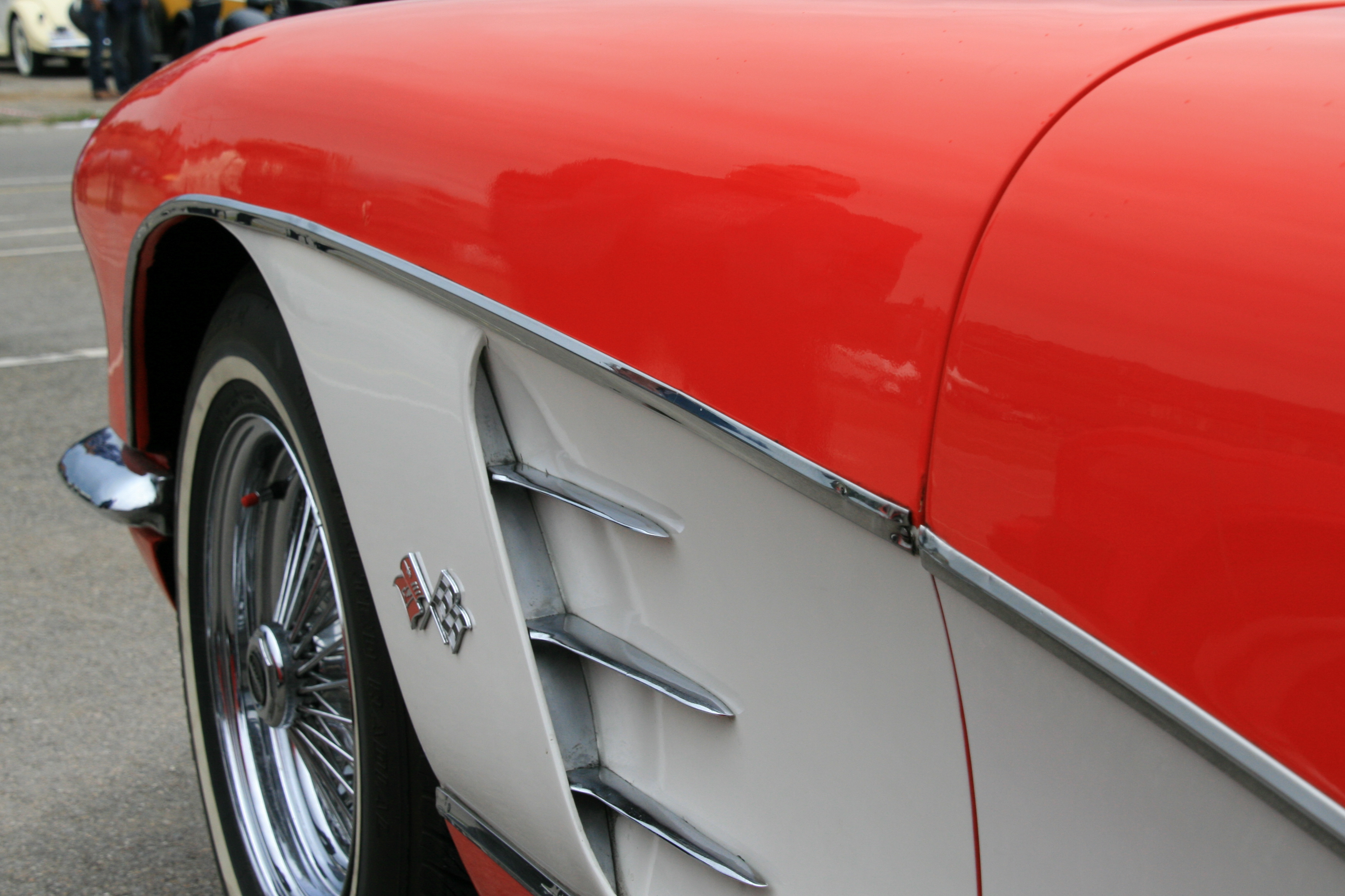
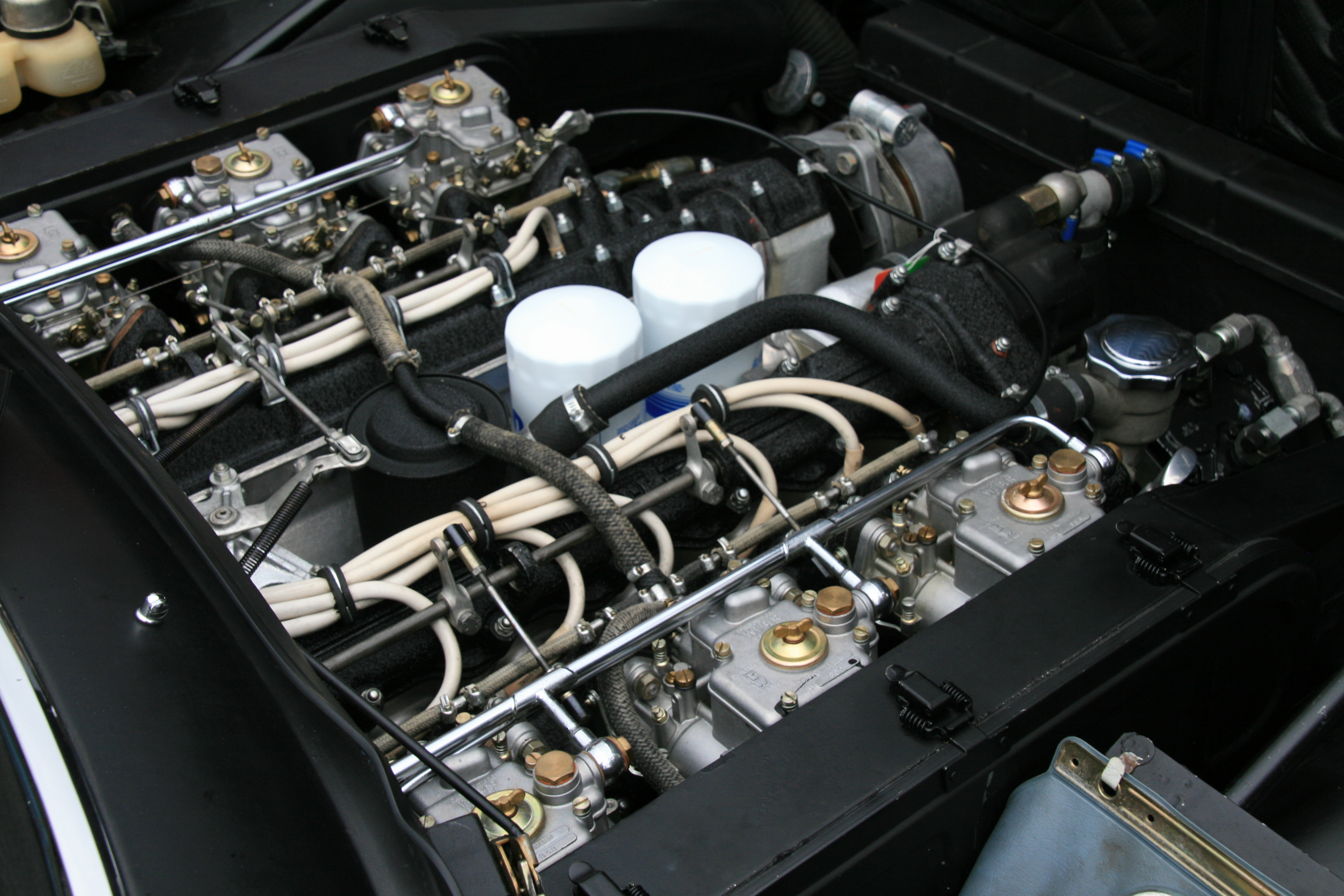
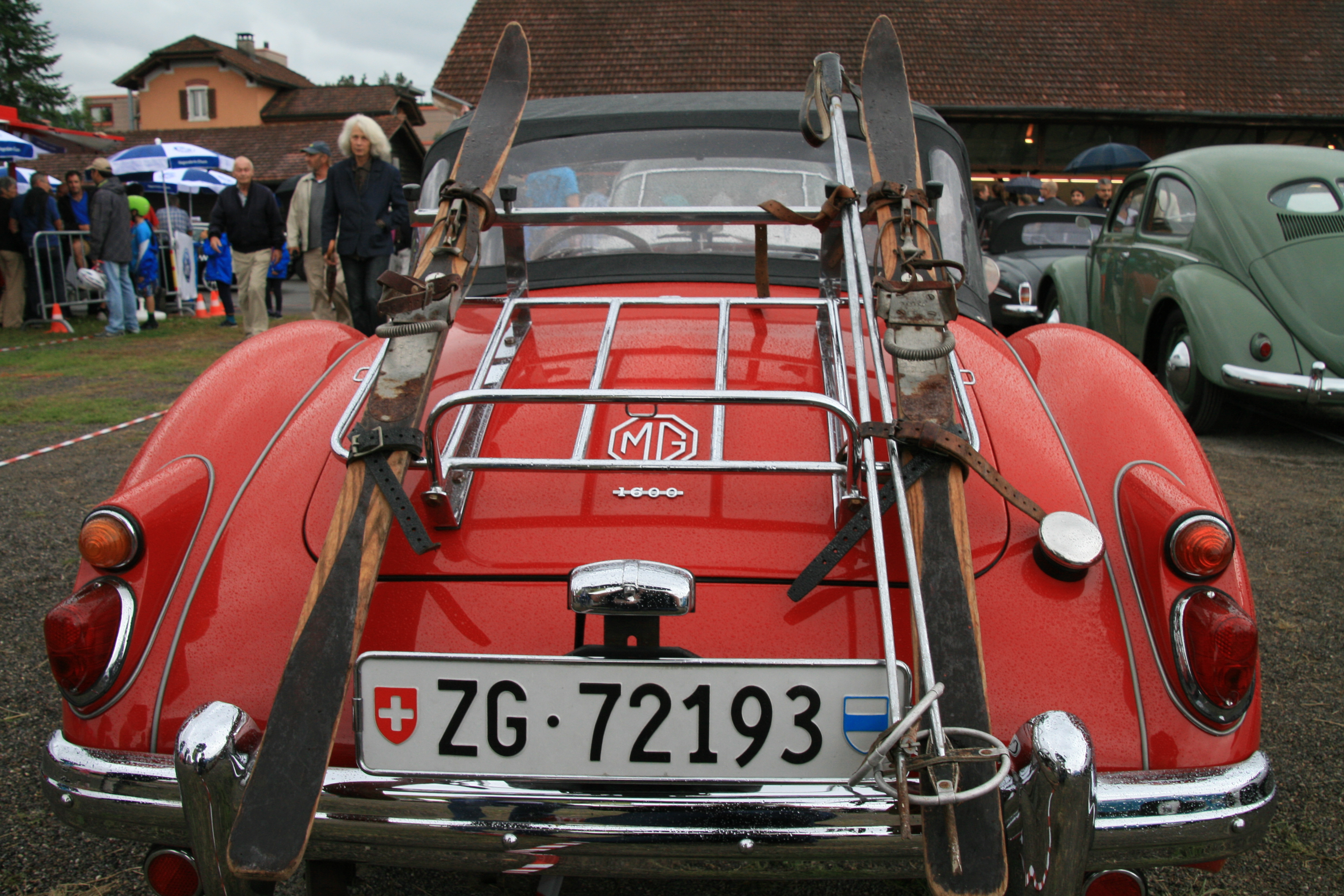
From late spring to early fall, the Swiss city of Zug hosts an oldtimer event called the Oldtimer Sunday Morning Meeting, a nice gathering with a beautiful mix of 150-200 cars from the 10’s (1900 that is) to the 80’s. The official end of the season is celebrated with a parade through the city center of Zug, which is reserved for the oldtimers for this occasion. The 2013 parade took place today, and even though the weather gods could have been friendlier, it was a great day of which a few pictures can be seen here below.

Image 

One of the oldest participants from the somewhat forgotten brand American la France…

 Image

 .to the more recent, beautiful 50’s curve on this early Corvette.

 Image

 Under the hub of a Ferrari 365. 12 cylinders, 6 carburettors, 100% mechanic…

 Image

Mercedes 540 K.


Image

 .and a beautiful Bugatti with an even greater sound from the 20’s. 

 Image And finally, Swissness obliges!


Tesla Model S – the future Thrill of Driving?

Model S exterior

Tesla a while ago opened a showroom in downtown Zurich, where until now they have sold the Tesla Roadster that has now gone out of production. Judging by how many you see on the streets, they did it with some success. Since a couple of weeks, it has now been replaced by the Model S, Tesla’s new flagship. Well, actually new is to be taken with a pinch of salt, the Model S was first presented in 2009, but for various reasons didn’t go into production until 2012 (so far it has only been sold in the US). Yesterday I had the opportunity to have a closer look at it and, although beeing a sceptic to the future of electrical cars, I’ll admit it was very, very impressive.

the Model S is a very successful design. It has been developed by Tesla and is produced in Tesla’s factory in California, but has a strong resemblance to the Jag S-type (maybe the S in the name that does it…), but with a leaner, sportier touch. Furthermore Tesla use Mercedes parts for things such as gearstick, windowlifters etc., logical since MB is a partial owner of the company. Next to the design, one of the first things you notice is the absence of a visible engine, meaning you have plenty of storage space both under the front-hood (approx 150 litres) and in the back (up to 1640 litres), as the Model S is in fact a hatchback that can even be ordered as a 7-seater (two luggage seats turned the wrong way for children). The electrical engine sits, along with the battery, under the car, helping it to both an almost ideal weight distribution, and also to a low center of gravity. The battery itself weighs a whopping 600 kgs, putting the total car at 2.1 tons, and this is obviously still the big drawback with the concept of electrical cars.

Tesla claim a range of 480 km for the larger, 85 kWh engine, at an average speed of 88 km/h (the smaller 60 kWh engine manages 370 km), so far unrivalled among electrical cars. Obviously this is under ideal conditions, the question is how much that range is reduced doing 150-160 km/h on a German Autobahn. Unfortunately, the answer is probably “a lot”. Charging can be done both from a normal plug and from the kind of high-voltage stations you start to see in citys, notably London. A full charge from a normal plug takes about 30 hours but only 4-5 with a high-voltage plug.

Model S interior

The interior of the Model S if beautifully crafted with no small-series feel, and has to be considered very avantgarde. The first thing that strikes you is the GIANT 17-inch touchscreen in the middle, covering a multitude of functions and making standard cars look as from another age. The interior is also very spacious, helped by the absence of any transmission tunnel. At first sight, a very nice effort with a modern and luxurious feel. Remains to be seen if this is all confirmed after a few miles, and I very much looking forward to communicate some driving impressions from a test drive soon.

In Switzerland, the bigger engine car with decent equipment will cost around 100-110′ CHF, so around 80-90′ EUR. IF driving it is as good as I’m led to believe, and IF the range is anywhere close to what is claimed, that is a fair price, especially if you consider that driving costs are estimated at around 15-20 CHF for a full load, which would mean around 4-5 CHF per 100 km, if the range is stands the test. Not bad for a big family hatchback!

Whether electrical cars in general, and Tesla in particular are the future remains to be confirmed. It will probably take a battery revolution to make it a viable concept for the greater public, something that still looks a bit away. Tesla on the other hand is a one-product company currently valued at over USD 5bn, or 816 times projected 2013 earnings, making it the most highly valued car manufacturer in the world. Quoted on Nasdaq, in 2012 the company still loot money, and its future (in general and as an independent identity, as it is in spite of its valuation considered as a clear takeover target) is not fully clear, knowing that a change in ownership might very quickly change the profile of the company and its products. The current waiting list in Switzerland for the Model S is around two years. I’m not fully sure I would be confident enough to leave a deposit payment for that long…

Rosberg/Mercedes vinner i Monaco!

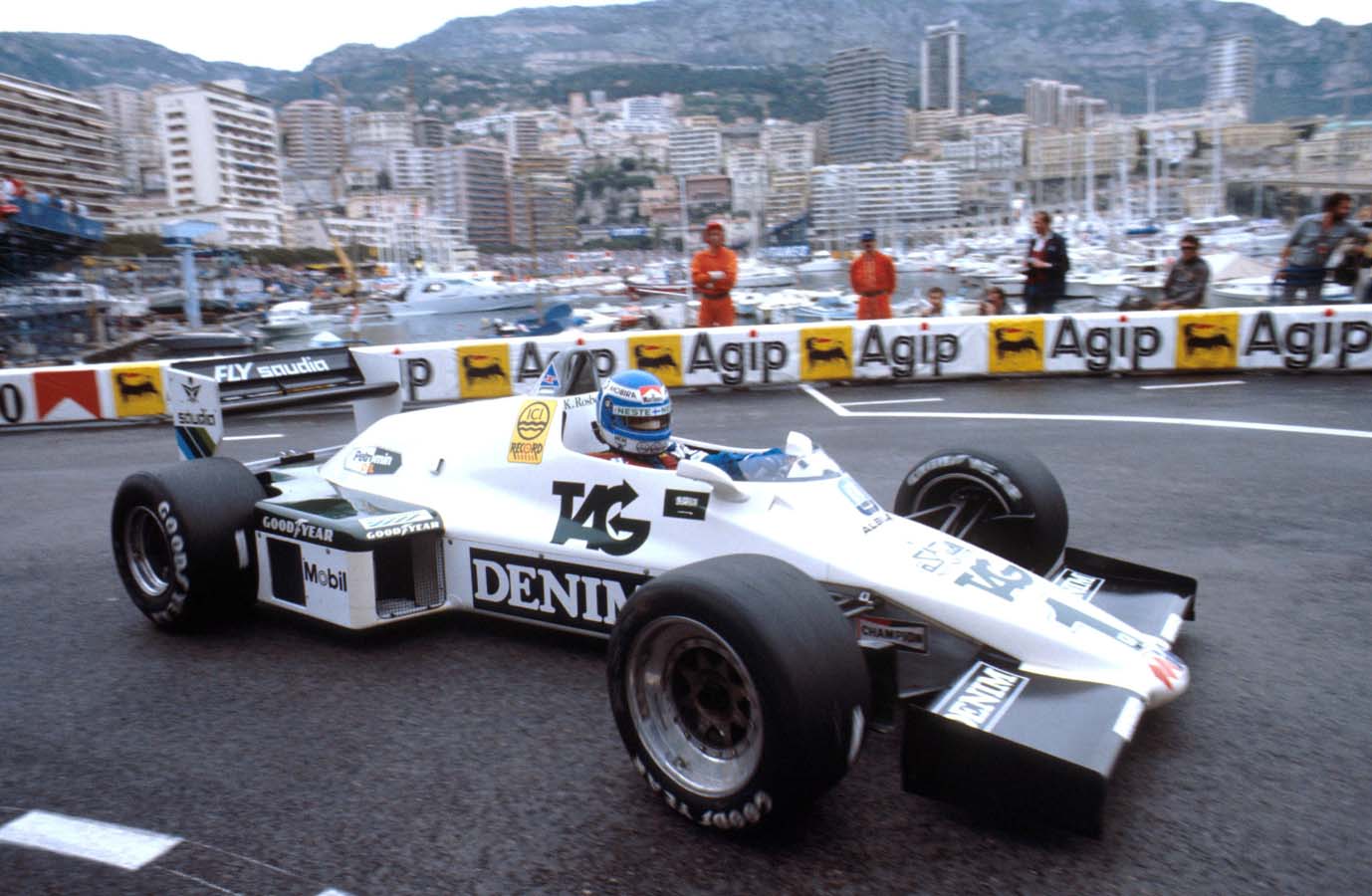
Inför en kuliss med strålande sol, svala temperaturer och som alltid en försvarlig andel kändisar gick Monacos GP av stapeln idag. Monaco är ju på många sätt ett speciellt lopp: sträckan är säsongens kortaste (både per varv och totalt) och trängsta, och det kräver sin man att närma sig Sainte Dévote-kurvan efter startrakan i 285 km/h, eller för den delen att hålla 260 km/h genom den svängande Loews-tunneln, där sikten vid infart och utfart är noll. Att köra om är nära nog omöjligt, och försök att ändå göra det brukar leda till ett antal krascher – så även i år. Slutligen hade Nico Rosberg som startade från pole naturigtvis hopp om att vinna sitt hemmalopp 30 år efter sin far, Keke Rosberg. Så blev det också, och Nico Rosberg firade därmed sin andra seger i Monaco.

Formula One World Championship
Keke vinner i Monaco 1983 – en annan tid och andra bilar!

En av de stora frågorna inför loppet var hur däcken skulle hålla då det spekulerats i om några stall skulle prova en enstoppsstrategi, då däckslitaget i Monaco är betydligt mindre än under övriga lopp och temperaturen med runt 15 grader var låg. Takterandet fick dock ett slut i 30:e varvet, då Massa blockerade däcken strax innan, just det, Sainte Dévote-kurvan, och den rätt rejäla kraschen föranledde säsongens första safety car-fas. Denna kom som en skänk från ovan för Mercedes, som i då var det enda toppstallet som inte bytt däck än (troligen alltså satsade på en enstoppsstrategi) och nu fick ett byte “gratis”.

Efter ett antal safety car-varv förflöt sen loppet odramatiskt tills varv 46, då Maldonado/Williams i ett försök att köra om Chilton/Marussia i Bureau Tabac-kurvan, som aldrig varit något bra omkörningsställe, istället körde rakt fram i 200 km/h och skadade säkerhetszonerna så svårt att det blev röd flagg. Röd flagg innebär omstart av loppet bakom safety car i den ordning bilarna befinner sig i, vilket för topp 4 vid tidpunkten var Rosberg-Vettel-Webber-Hamilton. Det innebär också att däck får bytas och annat får åtgärdas innan omstarten, och därigenom stod det klart att det inte skulle bli några mer däckbyten under de sista 30 varven.

I varv 63 var det dags för nästa safety car-fas, då Grosjean/Lotus glömde att bromsa vid utfarten från Loews-tunneln och körde rakt in i häcken på Ricciardo/Red Bull. Därefter förflöt resterande tio varv odramatiskt, och Rosberg kunde alltså bärga segern före Vettel och Webber.

Positiva överraskningar i loppet var, förutom att samtliga förare i krascherna klarade sig utan skador, helt klart Sutil/Force India och Perez/McLaren, som båda racade för allt var tyglarna höll. Tyvärr tog Perez lopp slut fem varv innan mål. På den negativa sidan har vi Ferrari, där Alonso förde en oinspierad tillvaro i skymundan och var den mest omkörda föraren i loppet, liksom Chilton/Marussia och Grosjean/Lotus, som inte skaffade sig några nya vänner i det här loppet heller.

Nico Rosberg
Nico Rosberg vinner Monacos GP 2013

Mercedes dominerar kvalet till Monacos GP!

images

Det blev som väntat en tight qualifying till Monacos GP imorgon, och ännu en gång en framgång för Mercedes. Hamilton var på snudden att ta sin första pole i karriären i Monaco, men i de sista sekunderna knep Rosberg förstaplatsen och bekräftade därmed Monaco som en av sina favoritsträckor. Återstår att se om Mercedes presterar bättre i själva loppet än senast i Barcelona.

Mercedes-duon följs på plats 3 och 4 av Red Bull i ordningen Vettel – Webber. För Webber är fjärdeplatsen det sämsta qualifying-resultatet på fyra år, vilket säkert retar honom då det ju inte finns något annat lopp unders säsongen där startplatsen är så viktig som i Monaco, givet hur svårt det är att köra om på sträckan. Tredje raden besätts därefter av Raikkönen (femma) och Alonso (sexa), som dock båda var över en halv sekund långsammare på sitt bästa varv.

Vädret till loppet imorgon ska vara soligt, dock utan någon värme, 12-13 grader väntas. Det har satt igång spekulationer om huruvida något stall testar en enstoppsstrategi, men merparten förväntas göra två stopp. Alla förutsättningar är alltså uppfyllda för både en spännande förstakurva och ett spännande lopp!

Möte med våren i Zürich i en Triumph TR4 -65!

IMG_4583

Vårens ankomst välkomnas väl av de flesta, men kanske speciellt av oss oldtimer-förare. Har vintern dessutom varit ovanligt lång och kall som det här året, med mycket begränsade möjligheter att motionera ögonstenen mellan november och april, då pirrar det alltid lite extra i magen när landskapet börjar grönska, vägarna torkar och luften blir mild!

I mitt fall är ögonstenen en Triumph TR4 från -65, inköpt i Danmark i slutet på 2011 och sen dess rullandes hos mig i Zürich. Här börjar ju våren lite tidigare än i Sverige, och i början på april var det så dags att gå upp till garaget, lyfta av dammskyddet, dra ut choken, trampa två gånger på gasen, vrida om nyckeln och hoppas på det bästa. Inte mycket reaktion på första försöket. Ej heller på andra. En märkbar hostning på tredje, och på fjärde är vi igång, först lite tveksamt men snart med ett härligt bluddrande ur alla fyra cylindrar i Ferguson-blocket. Triumph talade alltid ogärna om det, men motorblocket kom ju ursprungligen från traktorvärlden, så de 105 hk som tas ut ur 2 liters cylindervolym är riktiga ardennerhästar. Och mycket likt dessa arbetsdjur är det vridmomentet snarare än höga varvtal som är motorns bästa sida.

IMG_4591

Med handskar och skärmmössa på och med oljan på arbetstemperatur blir svängarna lite snabbare och närvarokänslan total. Väghållningen, med stora däck i varje hörn kan närmast beskrivas som 60-tals gokart, styrresponsen som förvånansvärt snabb och den väldigt stela bakaxeln som rätt egensinnig när asfalten är sprucken. Sittandes väldigt nära marken i en fart som må kännas som 150 km/h men sällan överstiger 80 km/h har man den extra bonusen av att känna lukten av allt från vårblommor till kogödsel. The thrill of driving i sin mest oförfalskade form! Med ännu snötäckta alptoppar som kuliss närmar sig en tvärt svängande nedförsbacke snabbt, och insikten gör sig påmind att motorbromsning i alla 60-talsbilar har en helt annan innebörd än att det är kul – det är en nödvändighet, om man inte vill lukta på blommorna på lite väl nära håll…

Sen den första turen har det vid det här laget blivit ytterligare ett par, och om minnesvärda Triumph-utflykter, oldtimer-världen i stort samt car spotting och lite annat smått och gott från bilmetropolen Zürich ska det bli mitt nöje att, som medförfattare på Thrill of Driving-bloggen, berätta mer om under kommande månader!

Ladies and gentlemen, start your engines, spring is here!

Zürich-hälsningar,

Christoffer

IMG_4585