The good thing with being a dog owner is that it gets you out three times per day, rain or shine, cold or warm. During this Covid year with lots of time spent in the home office, that’s something I’ve really come to appreciate, but having said that, the cold morning walks in December aren’t my favourite ones, especially with drizzling rain from a grey sky. Usually there aren’t even any interesting cars to look at, as the precious ones tend to slumber in a warm garage at this time of year. And then, out of the blue it happens, you run into…. yeah, what exactly?

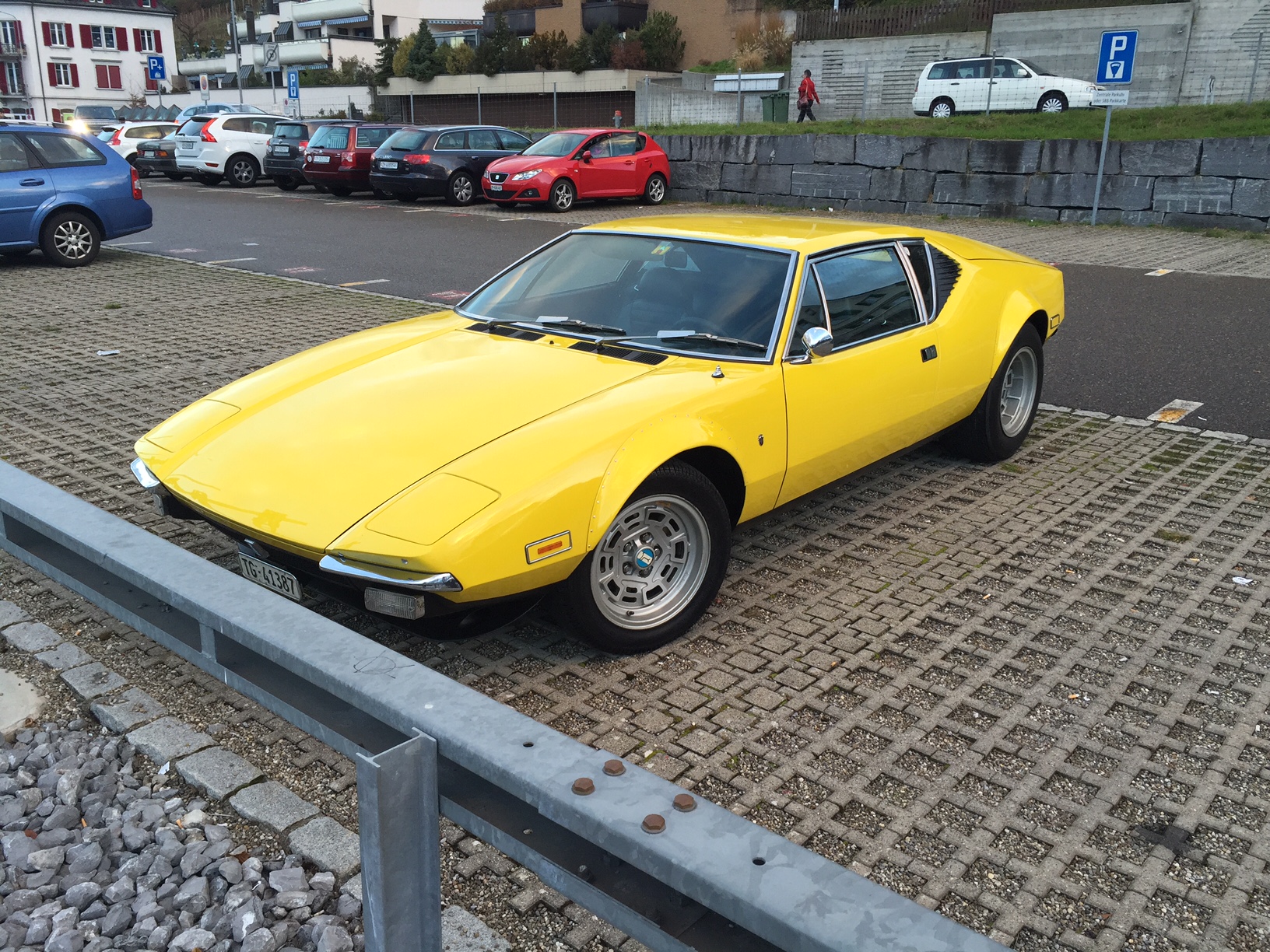
The front has a strange look , a bit frog-eyed, slightly surprised. The body has some strange cracks, indicating this is a fibre class construction. Somehow the car looks like different parts have had different designers before coming together. The only badge had the name “Avanti II” on it. It’s little known but Switzerland has had a couple of car brands over the years, Monteverdi probably being the most well-known, so was this perhaps another one I didn’t know about? Once the dog had done his business and gave me “it’s time for breakfast” look, I briskly went home and started googling. And never would I have thought that I had come across such a rarity!
It turns out Avanti wasn’t the brand but rather the model name. Or…. was it? The Avanti was created by Studebaker, the Indiana (US)-based company who built their first petrol car more than a hundred years ago in 1904 (having built an electric car in 1902!) and that went bust in 1967. Studebaker built an impressive number of models over their 75-year history, arguably because not many saw any success, and the Avanti wasn’t any better, sold only during 18 months in 1963 and 1964. It was positioned as the only 2-door, luxury 4-seater coupé and the main alternative to Ford’s Thunderbird or the Chevy Corvette Stingray. Mind you, this was also the year the 911 was launched, but that wasn’t a big thing on the other side of the Atlantic – yet.
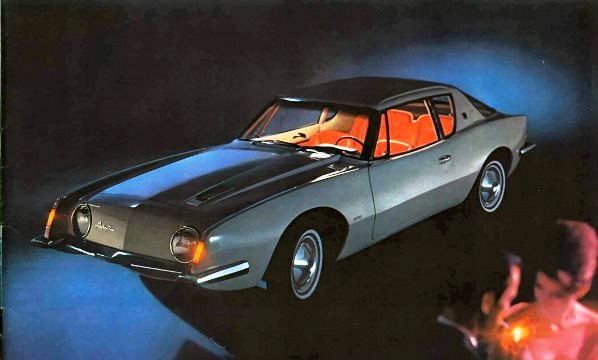
The body was designed by none less than Raymond Loewy, THE industrial designer at the time, responsible notably for the shape of the classic Coke bottle, the Shell logo and the Lucky Strike cigarette pack. I’ll leave it to you to judge whether he had smoked one too many when designing the car, especially the front, but with a fibre glass body and an aerodynamic shape, it was true to Loewy’s motto to build light and aerodynamic cars, notably to reduce consumption. Fibre glass was however a new material at the time and one that caused some difficulties in production, just like for the Corvette. Also like the Corvette, the Avanti had a big V8 up front (what else?) which with an optional supercharger put out up to 300 hp. That made the Avanti a fast, futuristic car for the time, but perhaps a little too futuristic for what the US market was ready for. Studebaker only built some 4.900 of the 20.000 planned Avantis, less than a fifth of Chevy Corvettes over the same period, and the company threw in the towel a few years later.
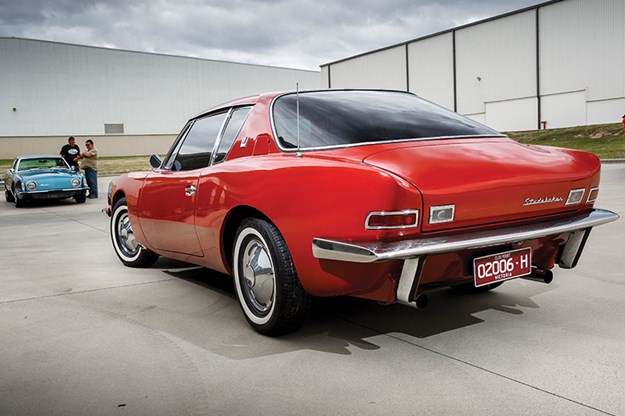
So normally that’s where the story would end. However in this case it takes an unexpected turn, as after Studebaker stopped production, two dealers of the brand bought the Avanti brand name and continued building the car in a small numbers by hand, using original parts, under the name Avanti Motor Company. When parts ran out in 1965 the car was renamed the “Avanti II”. Both parts and engines were now sourced from GM, and the Avanti II would be powered by various Corvette V8’s going forward . This went on until 1982 when the company was sold to a real estate developer under whom notably a convertible was added. He then went bust in 1986 and Avanti was sold again and so it went on, all the way to… 2006. That’s right – the Avanti was built during more than 40 years, albeit with varying engines, chassis and bodies, making it one of the longest model production runs in history! Looking at the design especially of later cars does however make you think that it might have been better to stop production a bit earlier…

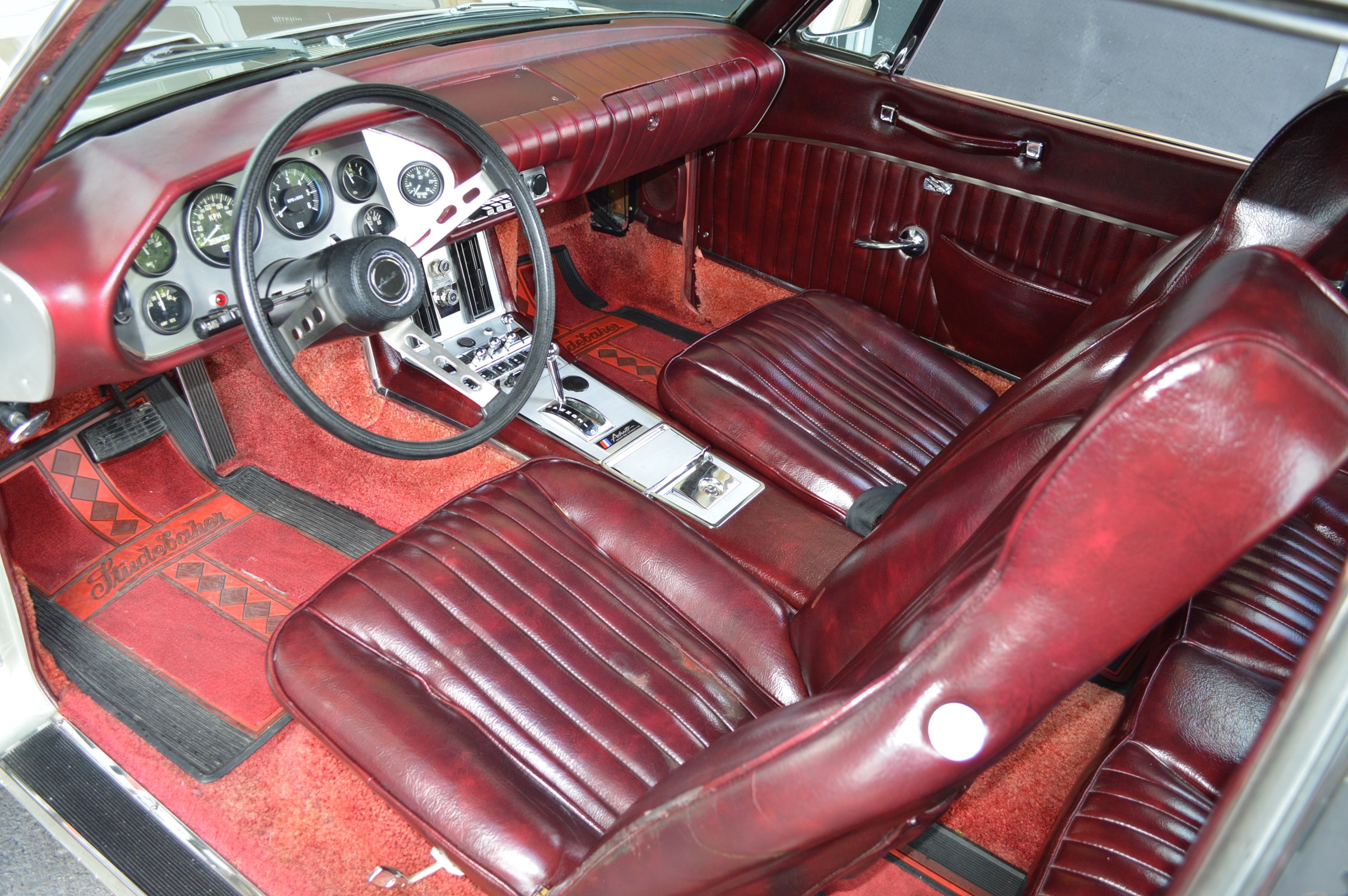
So there we go, under the motto “things that can happen on a dog walk”. I don’t expect I’ll ever see an Avanti again and most of you probably won’t either. Should you desperately have fallen in love with the futuristic car there’s a really nice one for sale in Switzerland, pictured below, and there’s 3-4 in Germany and Holland. EUR 50.000 seems to be the entry ticket for a really nice one, the alternative however being to head over the Atlantic were both offer and prices will probably be better. Whereas the mechanics are basic GM it will be pretty impossible to find any body or interior parts anywhere, so make sure you get a nice one. You will practically be guaranteed to drive the only one in your city, country or even continent!

A very nice 1975 Avanti II, currently for sale at Phantomcars in Switzerland

































 only person on the car scene to have been awarded UNESCO’s World Heritage Award for his extensive work in restoring (rather than renovating) many classic automobiles through the years.
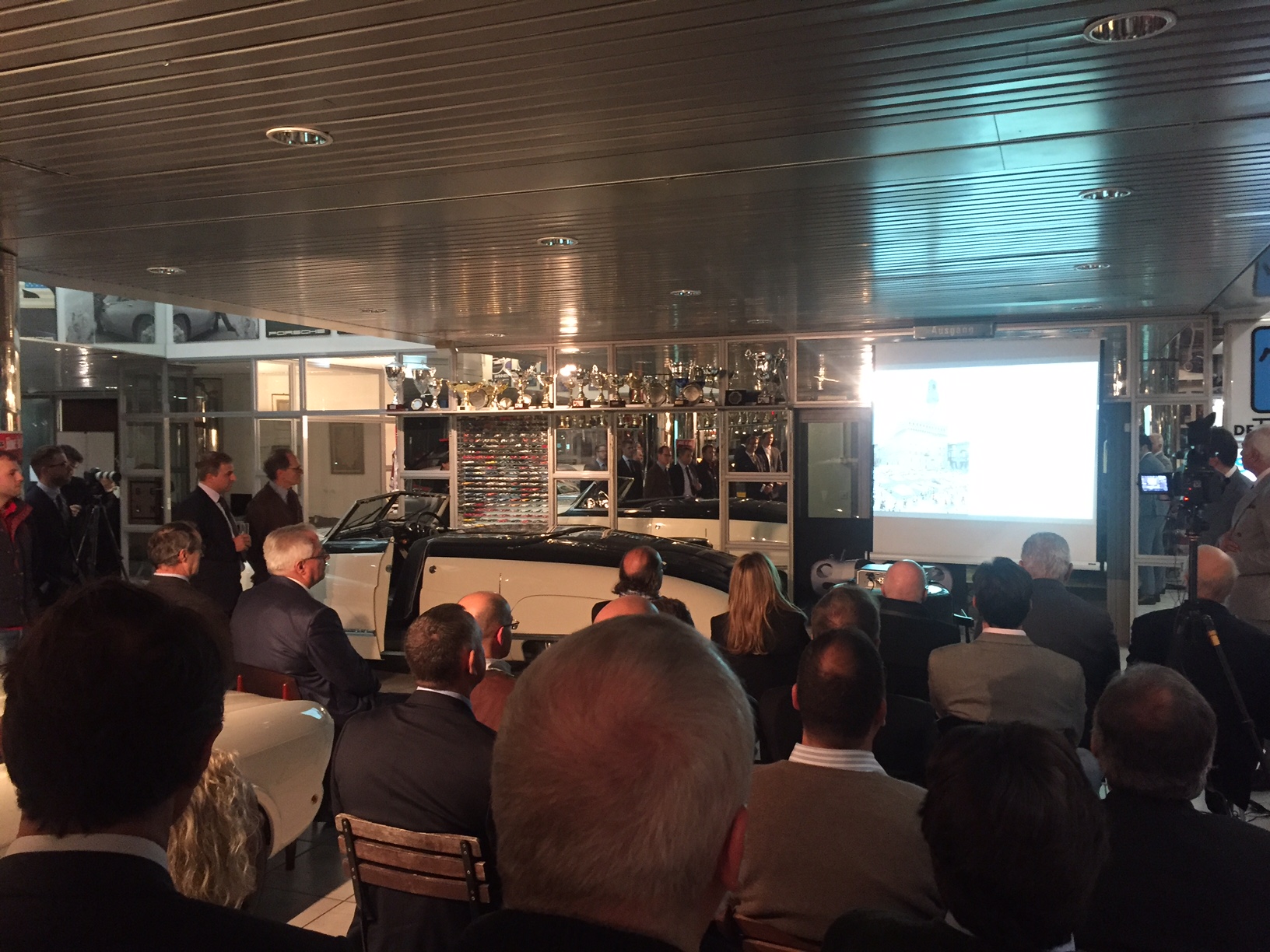
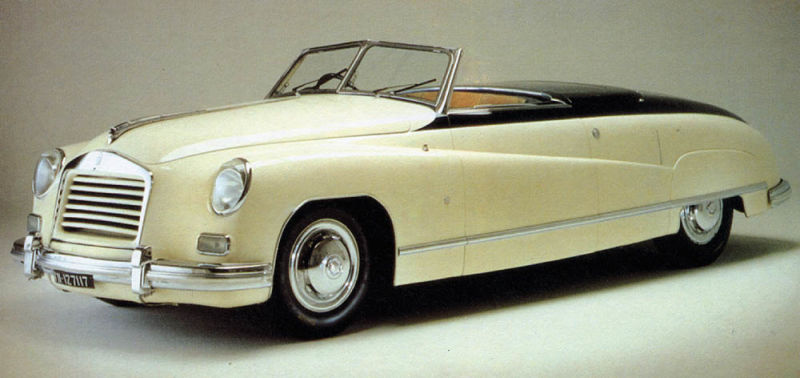 workers/artists, and also as a world premiere showed a 1948 Isotta Fraschini 8C Monterosa Cabriolet Boneschi, the last car built by the little-known (at least outside of Italy) Milan auto manufacturer Isotta Fraschini, active in the first half of the 20th century, and probably destined to win many prices at automobile shows the coming years.

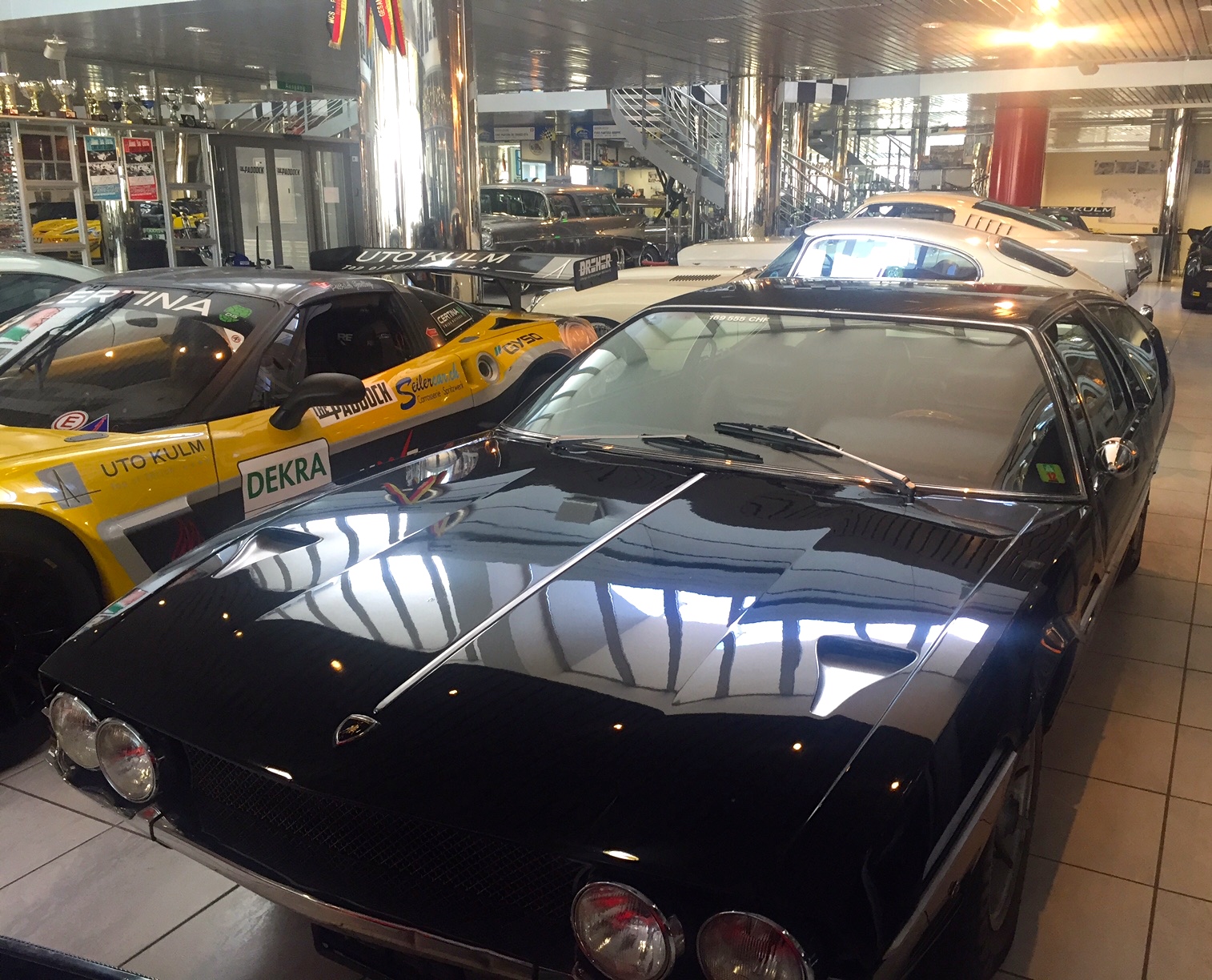 showroom with exactly the right pit lane smell, featuring a selection of the cars in The Classic Car Fund (TCCF). This is also the HQ of the TCCF and where Filippo has his office. Italian and from Modena (where else?) by birth, he is a true European nowadays based in Switzerland where next to running a family office business he set up the TCCF five years ago, driven both by a passion for cars and for uncorrelated assets.
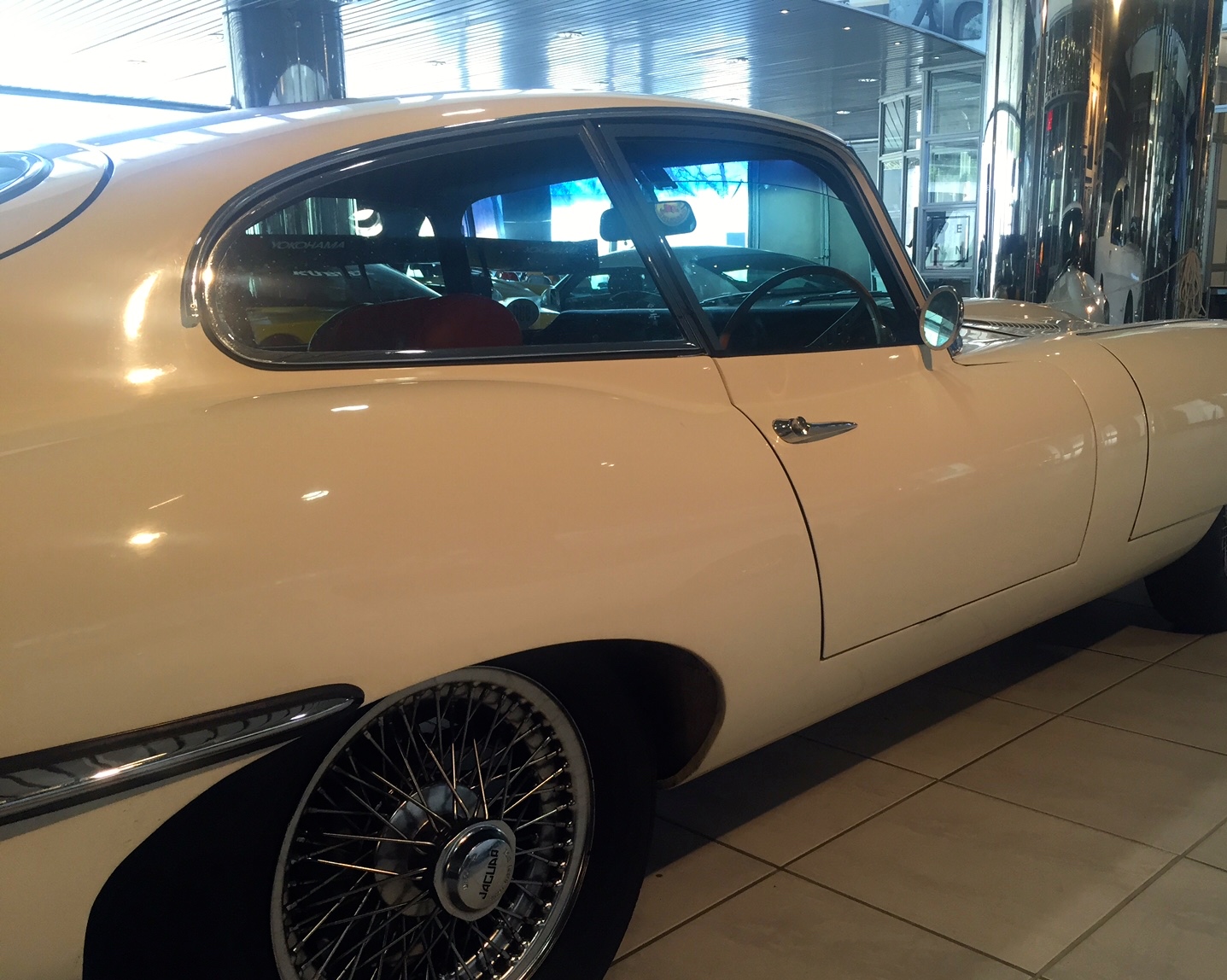 classes, including things such as art, wines and gold. This is partly driven by the falling interest rates since the financial crisis, but also by baby boomers becoming solvent and realizing their childhood dreams and emerging market buyers that were not there a decade ago. “The Chinese have so far only been able to own classic cars abroad,” Filippo explains, “but that is about to change and that will create even greater demand in the future”.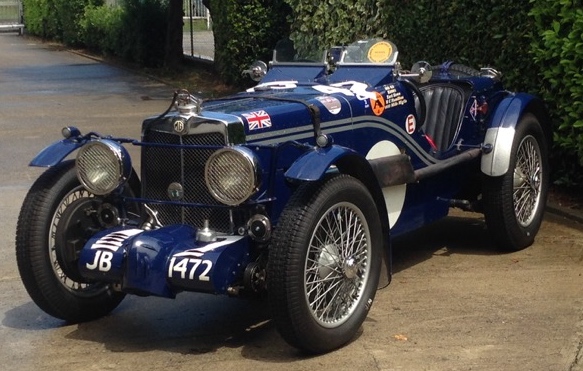
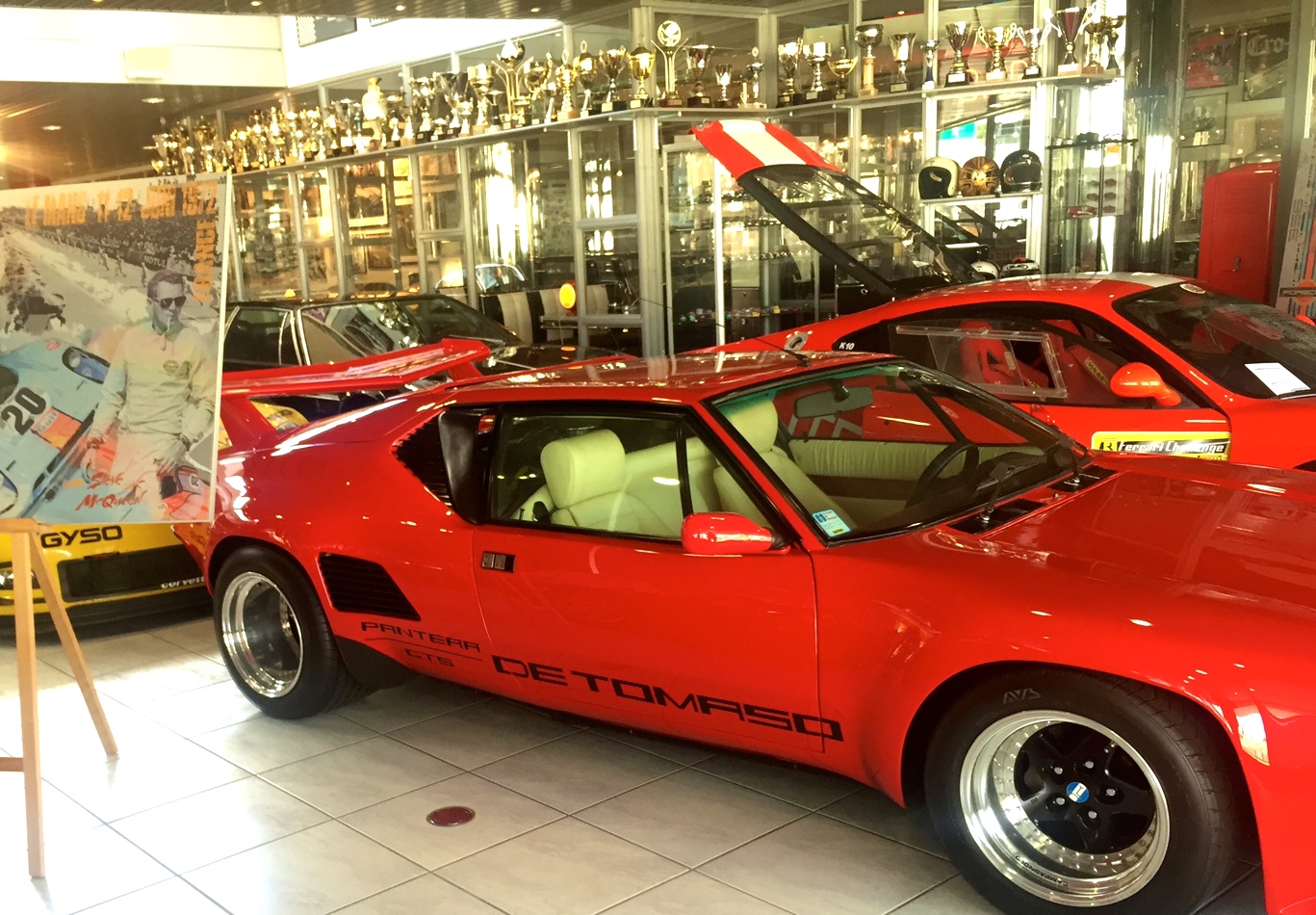 Switzerland and Italy, and employs mechanics to keep them in shape. Two additional features of the fund further strengthens the link with private collections: subscriptions are permitted in kind, meaning that you can buy into the fund through a car or a car collection, following an evaluation by an independent expert. Ownership passes to the fund but the original owner receives a buyback guarantee at the same price up to two years from the point of purchase. Also, and perhaps of more interest for most, against a small fee, fund investors may borrow and drive the cars in the fund over a day or a weekend. Filippo smiles and says “take the Testarossa in the showroom down to St. Moritz over a weekend. If anyone asks you can truthfully say it’s your car, as it is part of the fund you are an owner of”.

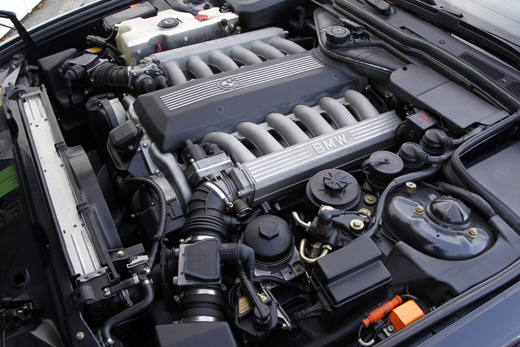



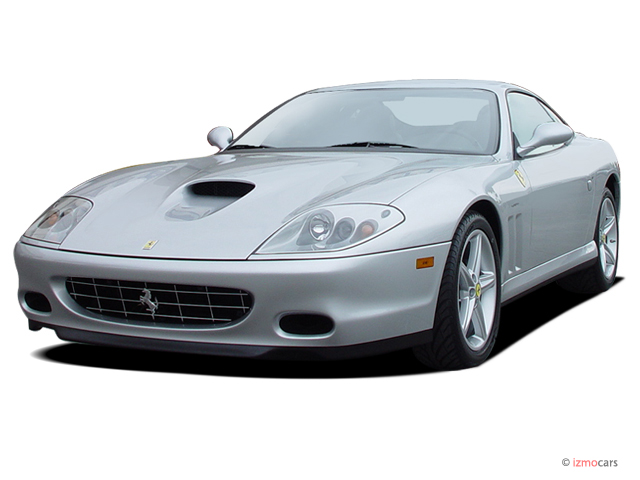
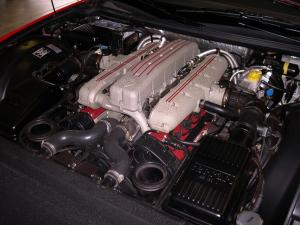 At the heart of the car is a fantastic V-12 cylinder, 5.5 litre engine delivering 485 hp and 580 Nm torque, later increased to 515 hp and 590 Nm torque in the 575, exclusively coupled to a six-gear manual gearbox (in the 550) but where the torque of the engine meant you rarely need to use more than half the gears. The engine is linked to the adjustable suspension such as to limit the max torque in the softer settings and thereby improve power delivery. Surprisingly though the lovely V12 noise is somewhat muted, arguably improving the car’s GT quality but also the reason many cars have received another exhaust system allowing for a bit more tenor and bass.