Volvo unveils new XC90!

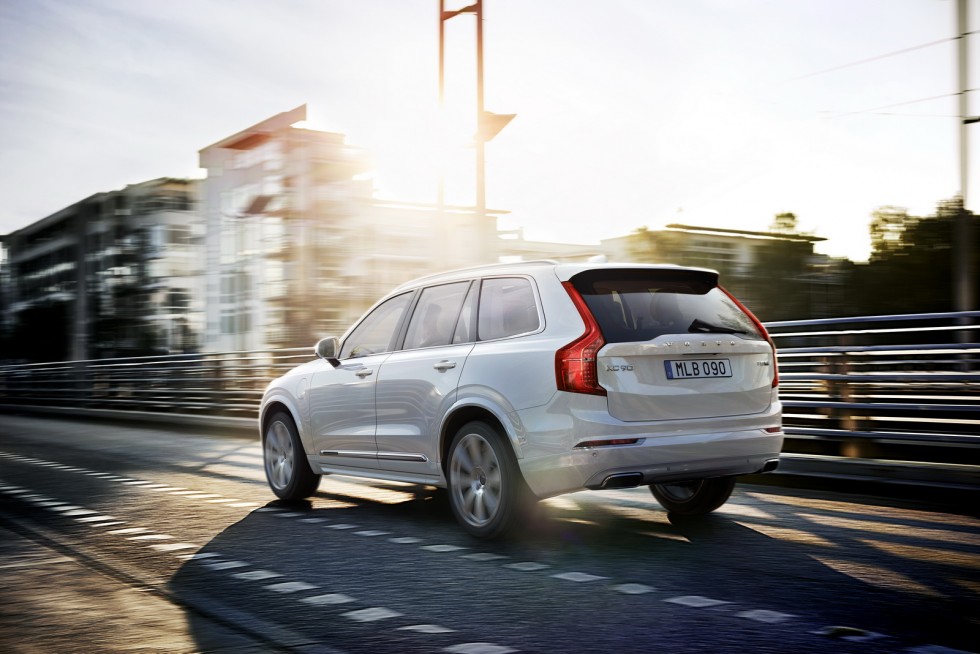
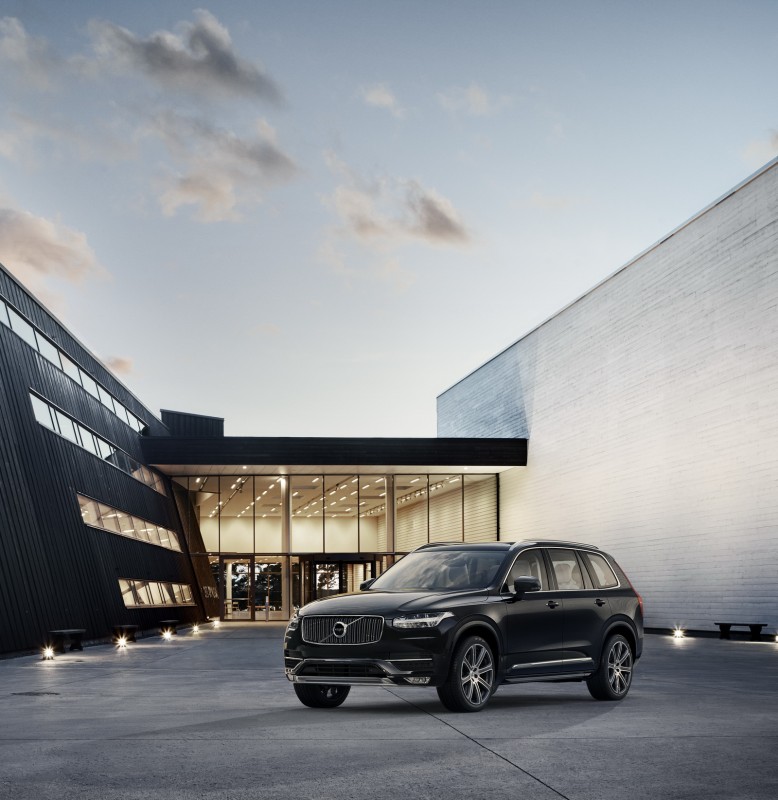
Today is an important day for Sweden’s pride as the company unveils what is probably its most important car ever, the new XC90. It’s also the first car that completely cuts the ties with the Ford heritage.

nya-volvo-xc90-2015-003-778x800nya-volvo-xc90-2015-008-980x654

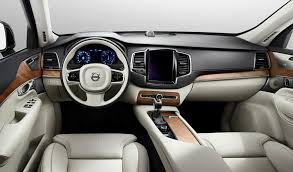
As the pictures (source Teknikens Värld, http://www.teknikensvarld.se) show, the design is… well, let’s say especially the front will take some getting used to. The interior is beautiful though but if Tesla haven’t messed up on the patents, Volvo might have a legal battle on their hands in view of the control panel’s STRONG resemblance to the Tesla Model S, both in form and functionality…

images

The drivetrains will only consist of 4-cylinder engines which is obviously a big bet in view of the very important US and Chinese markets. The top version called T8 Twin Engine combines a 300 bhp petrol engine with an 80 bhp electrical one, driving the rear axle.

Production of a first series will start later this fall before mass production starts next year. So if you want to drive your kids around in Sweden’s premier school carrier, it’s time to get your orders in!

More info (in Swedish) and pictures of the car can be found on http://www.teknikensvarld.se

British GP at Silverstone – or the day Felipe saved Kimi’s life!

There are different types of excitement in the sport we all love so much, but the kind of excitement we got yesterday in the first lap of the British GP at Silverstone is one we could definitely do without.

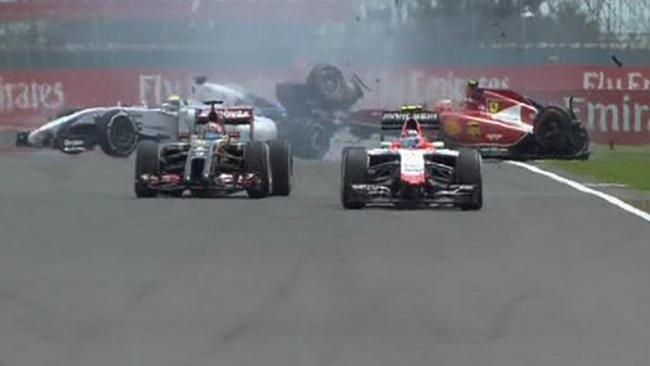
Kimi Räikkönen’s Ferrari came out a bit wide onto the Wellington straight after the start on the first lap, and he lost control of the car when it crossed back onto the tarmac. The car went into a spin, hit a wall on the right side of the track and was then thrown back onto the track just as the last cars on the grid came through. After a catastrophic start Felipe Massa came almost last onto the straight and saw Kimi’s car practically being thrown at him, just a few metres in front. Through experience, amazing reflexes and presence of mind, he hit the brakes and steered right, voluntarily causing the car to spin and thereby making sure only the tail hit Kimi’s car rather than driving straight into the side of him, as would otherwise have been the case. Whether he saved Kim’s life or just saved him from being badly injured doesn’t really matter, it was in any case a move that is worth high praise!

4,w=650,c=0.bild

When the race really got going an hour later, all looked pretty much the same as always this season, with Rosberg leading before Hamilton, but then Nico’s gearbox broke down in the 28th lap and Lewis took over the lead, holding onto it until the end. As a small consolation to Williams, having lost Massa’s car in the incident in the first lap, his teammate Valtterri Bottas finished second before Daniel Ricciardo on Red Bull in third. In the championship this means Nico’s lead over Lewis is now only 4 pts before the German GP at Hockenheim gets underway on 20 July!

Heaven on earth is in Germany!

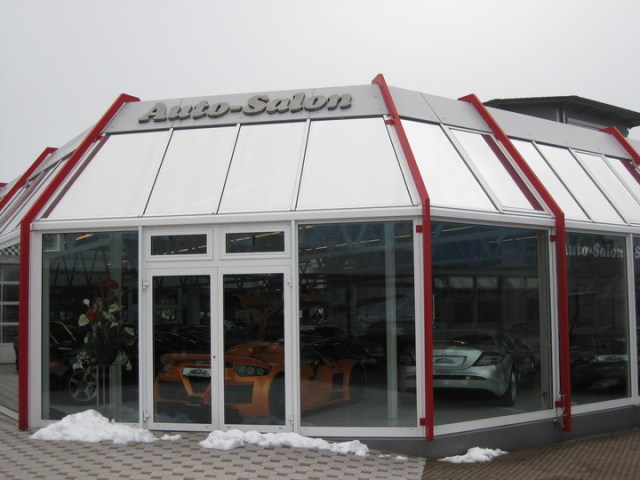
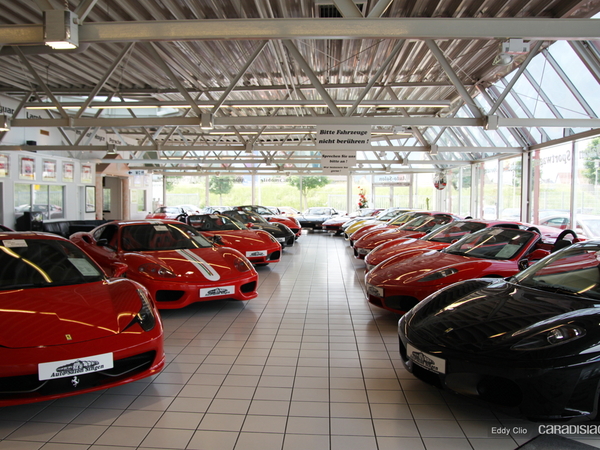
The small German town of Singen, 10 minutes from the Swiss border and around 20 km from the more well known German city of Constance, probably doesn’t mean much to most people. Given however you are a reader of this blog, chances are that you would experience a visit to Singen as finding heaven on earth. Because even if the town itself is about as exciting as a beige Volvo 240, for reasons no one can really explain, Singen has developed into something of a car Mecca in southern Germany.Along what is referred to the auto mile on the outskirts of Singen, more than 20 different brands from Skoda to Ferrari have showrooms. One dealer stands out form the crowd and is at the root of the relative fame of the city: the Auto Salon Singen, maybe the world’s leading dealership of used cars. Yep, you read that right, the Salon sells used, or rather pre-owned cars. There is a however a slight difference to the used car dealership around the corner, as the Salon specializes in very rare, pre-owned supercars and oldtimers. In a showroom that to the outer world doesn’t look like much is an exhibition including cars that you will very rarely have seen in real life, to a total value of which one can only speculate. What makes the Salon unique is on one hand the offer that is second to none, but also the combination of unique old-timers and supercars.


As with so many things, the beauty is on the inside…

This does not mean the Salon is full of millionaires with their pockets full of money. As confirmed by an extremely well polished salesman, very rarely do clients visit the salon other than possibly to pick up their cars. The client base is global with a fair part in Germany and Switzerland, but also with a significant number of clients in Russia, the Middle East and Asia. That has the nice side effect that if you do visit the Salon, you will have it pretty much to yourself and should you wish only to wander around and enjoy this feast for the senses, the well-trained sales force is very happy to let you do so. When asked how they find their truly unique vehicles, a polite reference is only made to their global network and also to their existing clients, of which they have about 35.000 in their database. Another database covers about 15.000 cars around the world, including pretty much every supercar or truly rare oldtimer still around. In other words the exhibition itself is only a drop in the ocean and a significant part of the Salon’s business is also finding specific cars on request.

S7-Photos-du-jour-Auto-Salon-Singen-60609
Definitely more like it!

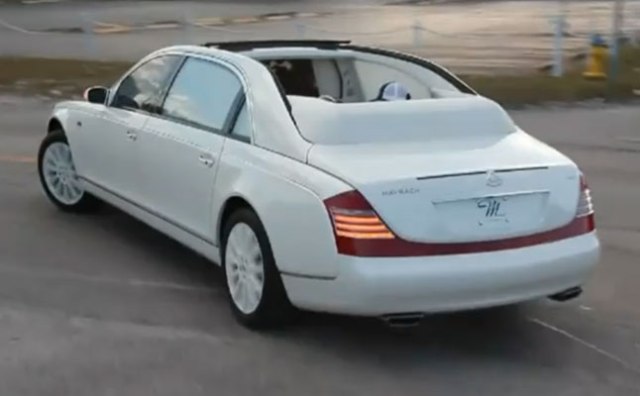
Unfortunately the (still very polite) salesman made clear that the Salon is not very hot on pictures being taken inside the premises, so any illustrations of the offer below are taken from the internet. If you visit the Salon this month, the first thing you will note is a car that really doesn’t fit, not being a supercar at least in the traditional sense. Parked in between a pale yellow Aventador and a Ferrari-red Enzo is a VERY white Maybach Landaulet that takes up about 6 metres of floor space. The semi-cabrios called Landaulets were built on specific request and each one is unique. This one, from 2010 and with very few km’s on the clock, is yours if you have EUR 1.4m to spare and REALLY can’t find anything better to do with it.

Maybach-Laudaulet-rear-birdman
Eeeh…. No

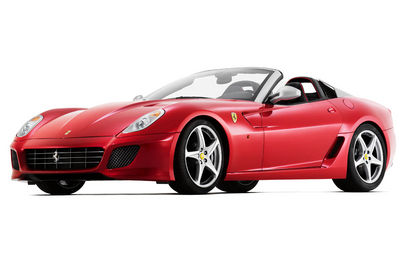
Turning right you will step into the Ferrari section, counting about 30 Ferrari’s, both “normal” and less so. if an Enzo is not exotic enough, the offer also includes notably a magnificent 599 GTO Cabriolet. the GTO was a limited series of the 599, presented in 2010 and of which 600 cars were built. The GTO Cabriolet that was shown the same year at the auto salon in Paris was an even more limited series of which only 80 cars were built. It is a truly beautiful vehicle that has all the style the white Maybach lacks. Priced at EUR 799.900, it will still leave you enough for a decent family car!


Looks even better in real life!

The Porsche section is even larger than the Ferrari section. Starting on the oldtimer side it includes not one, not two but three original Speedsters in mint condition. A 911 Speedster is also included, and at the top end is a fascinating 997 GT3 -08, tuned beyond mechanical recognition by the German tuning specialist 9ff. Still relatively anonymous on the outside except for the trained eye, about every mechanical details has been changed including every part of the engine. The 9ff in this version develops around 900 bhp and 1000 Nm of torque, (hopefully) transmitted to the ground by a sequential six-speed gearbox. With a top speed of 395 km/h, the 9ff does 0-200 km/h in 7.4 seconds and 0-300 km/h in a Veryon-like 15.9 seconds. With only 15.000 kms on the clock it is yours for EUR 134.900, which in relation actually sounds like a true bargain!

9ff_502
You want this. And a racetrack. And probably a good whisky to calm your nerves before you try it out…

Obviously all the wonderful things that could be told about the Auto Salon Singen are too lengthy for a post on this blog, but hopefully these short impressions are enough to make you seriously consider a detour to the Bodensee region when next on vacation in central Europe. It is after all truly beautiful, and no more than one hour from Zurich airport!

Same same but different at Austria’s GP

With two Williams in the first row on the starting grid and Mercedes only qualifying as 3rd (Rosberg) and 9th (Hamilton), it looked like we were in for a somewhat different race yesterday as the F1 circus returned to Austria for the first time in 11 years. At the end though it looked pretty much as usual, With Rosberg winning before Hamilton, and Bottas (Williams) finishing 3rd.

F1

Rumors were that the issues with the Kinetics power system that has caused Mercedes problems in Montreal were still not fixed and that the team was therefore not running at full power. Perhaps that was the case in the qualifying but as the race started and we all could witness how Hamilton overtook five (!) cars in the first lap to claim 4th place, any such doubts were dissipated.

In terms of comeback Hamilton was thus the man of the day even though Rosberg was clearly the winner in many aspects as he both won the race and increased his championship lead. Probably just as important was also that he overtook his father Keke in F1 race wins, being now at 6 wins in his still young career… As for other teams Williams are looking better and better, Ferrari is at least relatively stable, whereas Red Bull still struggles big-time, with Vettel losing all power in the 2nd lap, then somehow regaining it, only to have to park his car around 30 laps later. Toro Rosso didn’t have a great day either and neither of the teams will be able to challenge Mercedes this season.

How to fix the old lady with a hammer

Now before I get accused of all sorts of things, let me start by making clear that the old lady here mentioned does not make reference to any close or distant family member of the living kind, but rather to the old lady for which I have had to rent separate living quarters – my Triumph TR4.

As some of you know driving an oldtimer is never dull, neither is owning one. The latter can however easily become financially more challenging, at least when you are as mechanically illitterate as me. Around Zurich there is certainly no lack of specialized garagists very eager to help out, but somehow, in a Western world where inflation is nowhere to be seen (at least officially), the bills these guys send you have something Zimbabwe-like about them in terms of price evolution. So if there is the slightest chance of doing it yourself, you try to, which in my case means calling on far more suitable oldtimer friends than myself, i.e. those who actually understand what happens under the bonnet.

It was around a month ago that my TR4, which has always sprung to life effortlessly even after several months, all of a sudden had problems doing so. Having checked the basics (battery, power supply, corrosion on the bolts etc.) the exclusion method led to a strong suspicion of a defective starter engine. At this stage however the car would not start at all, and the starter engine was no longer even turning. Given the location of the garage, the car can neither be started by running, nor is it easy to tow, meaning just getting it to a mechanic had become a challenge. I felt grey hairs growing as the sunny days went by.

IMG_4591
As with any true lady, beautiful to look at, difficult to understand…

Last week I then went for lunch with a dear friend in Zurich, the proud owner not only of some vintage English oldtimers but also of an equally old boat, running on a V8 from the 50’s and having last year had some issues with the starter engine. ”Don’t worry” my friend said between bites, ”try what I did: hit the starter engine with a hammer a couple of times while someone turns the ignition. With a bit of luck, it is just the cogwheels that are dislocated and this could make them spring back.” As if there was nothing more normal in the world than what he had just suggested, he then changed the subject and went on to enjoy the rest of his lunch.

My belief in the suggested solution was, I’ll admit, not very strong. But given the car would not start at all the downside was obviously limited, so I took my son with me and went up to the garage. As he did not want to handle the ignition and could not really be trusted to aim the hammer at the starter engine rather than at something far less suitable, I took the hammer, hit the starter engine three times here and there and then without any hope at all, went round the car, sat down and turned the ignition. As you already guessed, the engine sprang to life on the first try without effort, and has done so ever since (which I’ll admit is only a few days so far, but still).

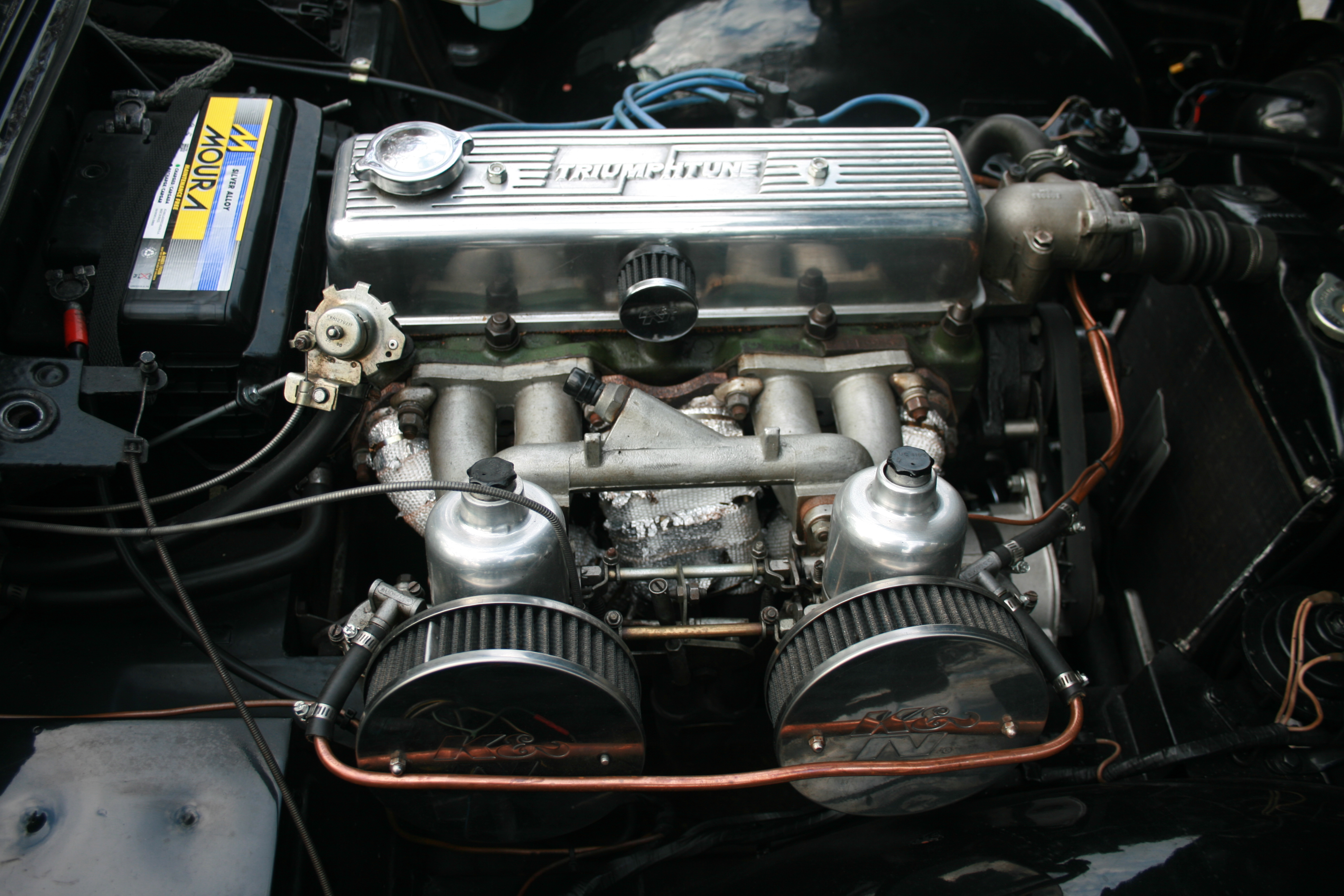
So what does this teach us? Firstly, whether it relates to cars or in general, take great care of your friends! Secondly, it is actually fun having a car with an engine that still looks like one, and where you can locate things as a starter engine. Would you know where yours is? And finally, an oldtimer requires far less sophisticated tools than modern cars. Sometimes, a hammer will do just fine!

IMG_0568Thanks my friend, I owe you one!


Nico Rosberg takes his second straight win in Monaco

Nico Rosberg on Sunday celebrated a double in Monaco, winning the race just like last year having lead from the first of the 78 laps. Lewis Hamilton finished second just before Damien Ricciardo, and had this been any other circuit than Monaco, the ”second” Red Bull would probably have finished second, being massively quicker on the last laps. As for the other Red Bull, Sebastian Vettel had to retire early in the race being stuck in first gear around most of the circuit, something that actually produced an interesting engine sound in this otherwise quite muted season.

As usually Monaco didn’t disappoint and was together with Bahrain this year’s most exciting race so far. Whoever said you can’t overtake in Monaco didn’t know Adrian Sutil on Sauber, who managed to find quite new places to pass on but finally passed himself after half the race and had to retire. Ricciardo as mentioned did a brilliant race to finished third, but lots of credit also go to Rosberg, who under massive pressure from Lewis Hamilton managed to keep his cool during the 78 laps and reclaim the lead in the drivers’ championship.

Image                                                    Due to the extremely efficient work of the track marshalls in Monaco, Bernd Mayländer only had to take the wheel once in the safety car.

Mercedes have now not only won every race this season but actually been in the lead for each of the laps so far this season. The dominance does not seem to be close to being broken, although Red Bull are getting closer but still struggles with reliability, as was illustrated by Vettel’s car. 

Yesterday’s race was also historic in that for the first time, Marussia through Bianchi finished ninth and thus managed to score its first world championship points ever, something that will perhaps help the team to survive financially until next season. Caterham also had a good day with Marcus Ericsson finishing just outside the points in 11th place. Exactly 40 years ago, legendary Swede Ronnie Peterson won in Monaco and for the occasion Ericsson wore a helmet in Ronnie’s legendary blue-and-yellow design. Whether that did the trick remains to be confirmed if Marcus keeps that helmet over the coming races, the next being in Montreal in two weeks!

The Mercedes star shines bright at the Spanish GP in Barcelona

As was clear after the practice sessions, anything but a 1-2 win for Lewis Hamilton and Nico Rosberg on Mercedes at today’s GP in Barcelona would have been a big surprise, and today was not to be the day for suprises. It took the two Mercedes cars five laps to take a 10-second lead on the rest of the field, a lead they were able to grow throughout the race, lapping everyone but the other five drivers among the top 7.

The race itself was unspectacular for the first 60 (of 66) laps, when the team-internal fights we have gotten used to this season started. Alonso was able to pass Räikkönen meaning the two Ferraris finished 6-7, Vettel who made a brilliant race went from 15 to finishing just behind his team mate Ricciardo in 4th place, and had the race been a lap longer, Nico Rosberg would probably have been able to pass Lewis Hamilton and win the race. As it happened, Lewis took his fourth win in a row (his first ever in Barcelona) just before Nico.

Mercedes thus again confirmed their superiority, and Lewis was again faster than Nico, something that is probably slowly but surely starting to put some pressure on the German. It is also clear that the Red Bull upward trend is confirmed, and Ferrari is also looking better. Williams also does well, with Bottas this time finishing 5th, whereas McLaren still struggle.

Unlike his team mate Kobayashi, Marcus Ericsson on Caterham managed to finish the race, but only in last place. It emerged over the weekend that Caterham and Marussia have not secured their financing for next season and their participation is thus doubtful. Obviously bad news for the Swede, whose time in F1 could come to a quick end.

Next we’re off to Monaco in two weeks, where as we all know everything can – and does – happen!

Racing back on the menu in the Bahrain GP!

Fears that the excitement in F1 was gone forever after the sleeper we witnessed in Malaysia a week ago were firmly put aside in today’s race in Bahrain, with a wide margin the most exciting one so far this season! The excitement didn’t come from other teams having gotten closer to breaking Mercedes’ dominance – actually the contrary. But the various teams seem to have realized that there was a clear risk of the interest in the sport dying off if something wasn’t done, something that led to a healthy absence of team orders. Racing was on the menu, whether it was between Hamilton and Rosberg (Mercedes), Ricciardo and Vettel (Red Bull) or Massa and Bottas (Williams). And boy, did they take it seriously!

images                                                                 So far this season, this is a sight the other teams have had to get used to…

If you missed the race, make sure you watch it afterwards, you won’t regret it. Rather than a summary, below just a few points to summarize some of the key takeaways.

  • The Mercedes team’s dominance this season is breathtaking. In the first 40 laps of the race, both Mercedes cars took a 40-second lead over the rest of the pack. Even more impressive, with ten laps remaining after the safety car phase, in 3 laps, they went into a 10-second lead. It seems doubtful whether any team will be able to challenge Mercedes this season, but obviously there is still a long way to go.
  • The safety car phase between lap 42 and 47, caused by Pastor Maldonado (yes, him again) driving straight into the side of Esteban Gutierrez who did a vertical 360 degrees spin in the air, thankfully without getting hurt, led to none of the teams having to think about fuel consumption. All teams therefore went to full power in the last ten laps, something that on one hand reconfirmed Mercedes dominance, on the other however showed Red Bull far closer to the top than they had been so far in the race. Red Bull’s main issue therefore seems to be one of power and fuel mix, something they should be able to get to grips with during the season, one may assume.  As for Pastor Maldonado, he gained a 10-second stop-and-go penalty, a 5-position grid penalty in the upcoming race in China and a 3 championship point penalty. A suspension for the rest of the season would be better, and safer, for all!
  • Force India and Williams reconfirmed their position as the principal challengers outside of the top teams for the season, led by Sergio Perez finishing third and thereby securing the second podium for Force India.
  • After his podium position in the first race of the season in Australia from which he was later disqualified, Daniel Ricciardo again showed that at least in his eyes, Sebastian Vettel is by no means the number one driver in the Red Bull team, pushing him very close to the limit in some great takeover scenes after the safety car phase. Ricciardo finished fourth, Vettel sixth, and it does seem that slowly but surely, Red Bull are getting there.
  • Last but not least, after some hairy scenes between Hamilton and Rosberg (Mercedes)  earlier in the race that didn’t lead to a single word from the team over the radio, Mercedes couldn’t help themselves making it clear to both drivers during the safety car phase that the first priority was to get both cars across the finish line. Rosberg said ok, Hamilton didn’t comment, and the moment Bernd Mayländer parked the SLS AMG safety car in the garage, the both caught sudden amnesia and showed us some of the best racing scenes in quite some time!

If Bahrain is a sign of things to come, in spite of Mercedes dominance, we are in for an exciting season!

40 years evolution in the car industry

The enclosed picture, courtesy of Swiss business bi-weekly Finanz & Wirtschaft and German car magazine Auto, Motor und Sport, is an interesting illustration not only of Mercedes-Benz evolution over the last 40 years, but also of the car industry as a whole (for the Swedish audience by the way, it also provides a good example of why Saab post-GM never stood a real chance of survival, being a mass-market producer).

G_S2_CB_MercedesSortiment-950x645

In 1974, Mercedes was present in three segments; luxury cars with the S-class and the 600, mid-sized cars with the 8 sedan and coupé, and sports cars with the W107 SL and SLC. 40 years later and very much like the other brands that dominate today’s mass car industry, the three segments have become seven, with a far larger number of cars in each segment. And where there was previously not a segment/model, one has been invented (think shooting breaks and grand coupés, to name but a couple). 40 years ago, Mercedes built 6 different models, today it’s 25.

Obviously this is the result of quite an amazing production development in terms of common parts and platforms, but also of far-reaching but often little-known collaborations between brands on different levels. However, what has fundamentally not changed over these 40 years is the usage of petrol and diesel engines under the hood, although these have obviously been heavily developed and refined. When we look at the same picture in 40 years, when we’re gray and old, is that perhaps the big change we will see? What are your thoughts? Comments are as always welcome!

Chaos as the F1 season kicks off in Melbourne

It was not as much the driving as what happened around it that led to a chaotic start of the F1 season in Melbourne yesterday. As the pre-season results had led us to believe reliability was indeed the major issue, with especially the Renault teams far from ready from a technical standpoint. For the first time ever in F1, several drivers including Swedish Marcus Ericsson had to retire before anything broke but to save their engines… As for the engine sound in 2014, we’ll be diplomatic and let everyone form their own opinion…

When the chequered flag dropped Nico Rosberg on Mercedes had won the race, in the season where his car carries the same number (6) as his father Keke had when he became world champion 32 years ago, in 1982. At this point, it also seemed that Red Bull had saved the day with Daniel Ricciardo finishing second, the first podium for an Australian ever in Melbourne. A short while later however, Red Bull and Ricciardo were disqualified because of too high fuel pressure in the engine, and Kevin Magnussen on McLaren who finished third was all of a sudden second and the most successful rookie since Jacques Villeneuve in 1996. Jenson Button on McLaren was the new third, and both McLaren’s and Mercedes day was hence close to perfect, as Valtteri Bottas on Mercedes was fifth after Fernando Alonso on Ferrari, the only car with a non-Mercedes engine in the top 5.

Mercedes is hence off to a good season start, and Red Bull to an awful one as Sebastian Vettel had been forced to park his car on the seventh lap. As mentioned previously on this blog, it’s quite possible that after a dreadful 2013, Williams emerges as the surprise of the season 2014. For Ferrari, finishing fourth and seventh, it was not too bad, but Alonso still made the comment that the car was only ready to about 60%. If he is right, there’s hopefully a lot of race excitement as opposed to technical and regulatory mishaps to look forward to as the teams move on to Malaysia in two weeks!


Final testing session in Bahrain brings more of the same

The third and final F1 testing session in Bahrain over the weekend looked much like the previous two, with the Mercedes star shining relatively brightly upfront, Ferrari’s Cavallino Rampante finding at least three of its shoes, and Renault continuing to hit more troubles at the same speed as old ones are solved. Given the free training for the season’s first F1 race in Australia starts in ten days, there is no doubt lights will be on late over the coming weeks, both in the Renault and Red Bull factories.

d13bra1509

Little did they know at the end of last season, all the challenges they would face in 2014!

Lewis Hamilton led the time sheets after the last day of training in Bahrain and over the 12 official training days that have now taken place, the MB powered teams have accumulated a total of almost 18000 kms. In spite of this, not even MB and especially the Mercedes AMG Petronas team have managed to solve all issues, but they are clearly in what looks like pole position before the season start. Interesting to see is also that Mercedes-powered Williams has done very well in pre-season training and could emerge as something of a dark horse, especially with the very experienced Felipe Massa as one of the two drivers (the other one being Valtteri Bottas). Mercedes-powered Force India has also done very well both in Jerez and Bahrain.

For Ferrari it has been a mixed bag but ever so slowly, it looks like the team is getting there. Both Kimi Räikkönen and Fernando Alonso have struggled with reliability issues in all training sessions, but talk quite confidently about the potential still to be unlocked from the F14T. Whether that happens in time for Australia or later in the season remains to be seen.

Finally (an order that also corresponds to all the training sessions) all Renault-powered teams and especially Red Bull continue to struggle big time. RB managed a decent 77 laps  on the final day in Bahrain but overall in the pre-season training sessions they only leave Marussia and Lotus behind them in terms of number of laps completed (and Lotus didn’t even participate in Jerez). The discussion is now on who is most to blame, Red Bull or Renault, but given that all Renault-powered teams have similar issues, clearly a lot of the blame is found with the French manufacturer. Red Bull say they have identified the issues and hope to have fixes in place for Australia, and other drivers speak respectfully about the “potential” of the RB10 (probably mostly to take the pressure off themselves…). Unlocking that potential in ten days time would seem completely unrealistic for any other team than the 4-time world champions, and must be doubted even for them. What seems certain is that it will be an exciting season start down under in the middle of March!


Mercedes continues to dominate second pre-season testing in Bahrain

The second pre-season training session in Bahrain on February 19-22 brought roughly the outcome as the first testing days in Jerez early February days. Mercedes continues to dominate the field, with Nico Rosberg setting the best time on the last training day over 1.5 seconds ahead of second placed Jenson Button (Mc Laren), and Mercedes by far completing the most laps over the three days. Ferrari did manage a net improvment compared to Jerez with Kimi Räikkönen setting the third time and the team managing far more laps than the first time around.

As for the Renault teams, it continues to be a mixed bag at best. Again (and again surprisingly), Caterham did quite well and has so far managed most laps of any Renault team in 2014, boding well for Swedish rookie Marcus Ericsson. As for Red Bull there seems to be no end to the problems, although Daniel Ricciardo managed the 7th best time during the last day. There are however still lots of issues it seems, both in software and mechanically, with reliability currently being close to zero.  Red Bull thus have high hopes for the last pre-season training session, again taking place in Bahrain over the next weekend. Whether the world champions will be ready in time for the start of what looks like a highly interesting season is no doubt the big question!

ad-10052009-1

How much energy will be in it at the start of the season?

Jerez 2014 – French frustration, German satisfaction

The 2014 F1 season’s first testing week in Jerez had been much anticipated given the number of changes to the cars and the power units for the new season. And in terms of action, it certainly didn’t disappoint. The potential reliability issues we brought up when describing the rule changes for the new season (see here) hit especially the Renault power units with a vengeance, and none more than Red Bull. Engine cooling was the big issue, and RBR’s new car RB10 therefore spent most time off the track whilst rivals were collecting both laps and experience. At the end of the week, the three Renault teams had managed 151 laps, however of these RBR only managed 21. In contrast, the four Mercedes teams completed 875 laps and the three Ferrari teams 444.

F1-2014-Red-Bull-RB10-Vettel-Formel-1-Rennwagen-06
You can leave the cover on, boys...

Too much should not be read in to the season’s first testing week, especially not to lap times, but it is fair to say that RBR has a lot of work to do before, and a lot to prove during the next testing week in Bahrain on February 19-22.

Judging by the drivers’ comments there was a lot of satisfaction with the new cars. The torque provided by the new engines make them feel very powerful and the new 8-speed gearbox along with thew new breaking system also contribute to making the experience different. Finally the number of buttons on the new steering wheel will take some getting used to, and the wheel was by many likened more to a smart phone.

steering-inline3
Right, let’s see, was it the red one or, eerrr, the green, or…

Jerez was Swedish F1 rookie Marcus Ericsson’s first showing for Caterham, and at least Caterham was the Renault-powered team that managed most laps. It was however another Scandinavian who stole the attention; Mc Laren’s Danish rookie Kevin Magnussen clocked the fastest lap of the week!

F1 in 2014 – overview of all the changes for the new season

Had someone claimed 10 years ago that in 2014, F1 cars would be powered by 1.6 l engines delivering over 600 bhp, he would most certainly have been laughed at. And yet that is precisely what has happened, one one hand testifying to the extraordinary technical progress F1 has gone through in the last decade, on the other to how difficult it is to predict the future. However it is not only the engines that will change in 2014. In fact the coming season will see the most fundamental changes to the sport since it all started, and for that reason we felt it could be useful to give you an overview of the most important areas affected, along with some thoughts on how that could influence the outcome of the 2014 championships – knowing, as mentioned, that predicting the future is difficult indeed…

1283
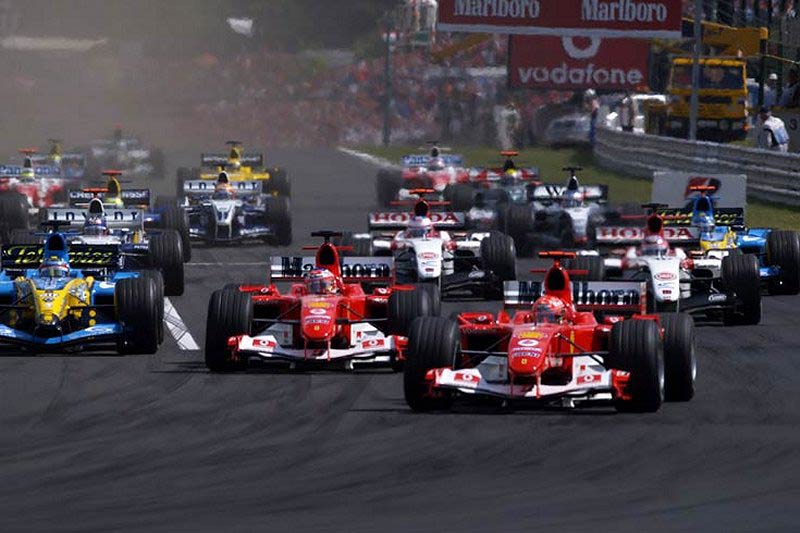
They may have been less safe, but no doubt F1 cars looked better 10 years ago, in 2004…

Engine: all cars will be powered by a 1.6 litre, turbo-charged V6 engine, supported by an ERS system which replaces last year’s KERS and gives about twice the power of the latter. Max rev’s are limited to 15.000 rpm. The ERS system is highly complex and consists of two motors/generators, one linked to the engine, the other to the turbo. Not only will the power be higher, it will also be available for longer (in numbers 120 Kw during 33 seconds as opposed to the 60 Kw during 6.6 seconds given by KERS last year). The minimum weight of the whole unit is set at 145 kg. Max fuel for a race is set at 100 kg, a reduction of 40 kg versus last year.

Gearbox: made out of carbon, the ratios of the 8-speed gearbox may only be changed once during the season.

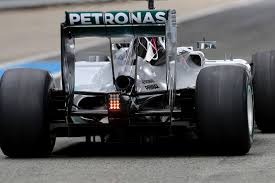
Chassis: no one has missed the more or less catastrophic look of the noses on the new cars. The reason for this design nightmare is new regulation, aimed at preventing cars from lifting off when hitting another car from behind. This is however only one of a number of chassis and body changes for 2014, mostly aimed at reducing traction and hereby lowering the cars’ cornering speed. The front wing may thus not be larger than 165 cm (-15 cm vs last year) and the whole lower part of the rear wing has been removed. The exhaust must now be mounted centrally in the back, the sideways mounted exhausts that helped aerodynamics are no longer allowed. The opening of the rear wing has been somewhat increased, helping the DRS effect. Finally the side boxes will look a bit different as the cooling system has increased in size, driven by the larger cooling need of the highly complex engine.

Weight: minimum weight has been increased by 49 kg to 691 kg, still however posing a big challenge to the teams as it only partly compensates for the increased weight of all the new components described above.

f1-sideview-inline
Fitting the engine with all its components into the new cars – not an easy task!

It is fair to say that the engineers have thus had a number of nuts to solve in order to fit everything into the new cars and try to meet (and optimize the outcome of) the new regulation. How well they succeed remains to be confirmed as the new season starts. Development costs money so it is probably fair to say that as always, the bigger teams, and especially the factory teams, have an advantage on paper. It is however easy to imagine that with all the complexity added, reliability will again be on the agenda, possibly along with fuel consumption. Clearly the new engines consume less, but we could well have more “excitement” towards the end of races when some drivers start to run out of fuel.

On a technical level, it seems therefore that the F1 circus will prove the Amis wrong: there is indeed a substitute for cubic inches. One question will however remain unanswered until March 16, when the season kicks off in Melbourne, and that is what 20 cars powered by 1.6 l turbo engines sound like, and whether acoustically you will still recognize this as F1 or rather think you are watching the Renault Clio cup. Let’s cross fingers and hope for the best…

Sauber C33 Ferrari – best-looking 2014 car so far!

Swiss Formula 1 team Sauber yesterday presented their 2014 car C33, if you ask me by quite some margin the best looking car of the models we have seen so far and with a remarkably ordinary nose! In spite of severe financial worries last year, Sauber has apparently managed to finance the new season mostly through its driver line-up where both the test drivers Sergei Sirotkin (RUS) and Giedo van der Garde (NL) as well as the regular driver Esteban Gutierrez (MX) have brought sponsor money. The only driver who hasn’t bought his way in, to put is somewhat harshly, is the second ordinary driver Adrian Sutil (GER).

ebf90df55aUnknown-1

Marcus Ericsson first Swede in F1 in 23 years!

Not since Stefan “Lill-Lövis” Johansson left the F1 circus in 1991 has there been a Swede that has made it beyond the test driver status in F1 (that was by the way Björn Wirdheim who test drove for Jaguar a few years ago). That will change in 2014 when Swedish 23-year old Marcus Ericsson will take one seat in the Caterham team, the other one going to Kamui Kobayashi, ex-Sauber. Ericsson finished sixth last year in the GP2 series, but apparently still managed to show he has talent. Given Caterham finished last in the team ranking last year it will definitely not be an easy ride, not even within the team as Kobayashi obviously has much more experience, but at least he gets a chance and it bodes well for both the interest and coverage of F1 in Sweden!

Unknown

Test drive of the Tesla Model S – the true meaning of torque!

After visiting the Tesla store in Zurich earlier this fall, I wrote quite an enthusiastic review based on first impressions of Tesla’s family sedan, the Model S (found here). Finding time for a test drive took longer than expected, but earlier this week it became reality – and boy what a life-changer it was!

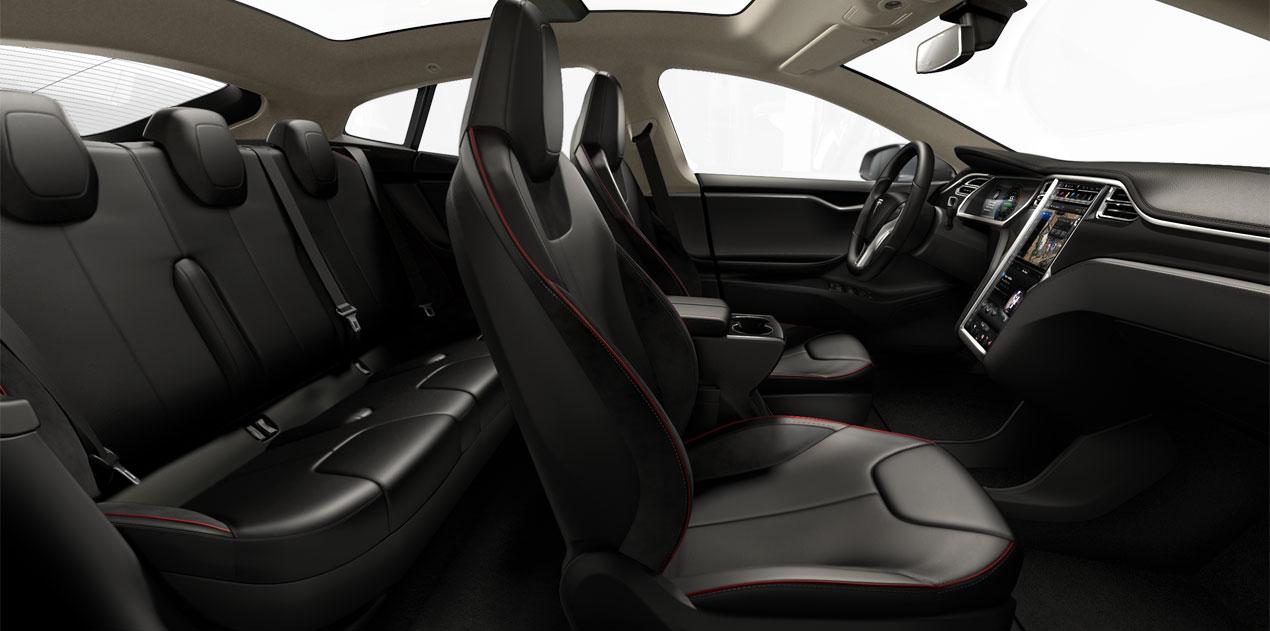
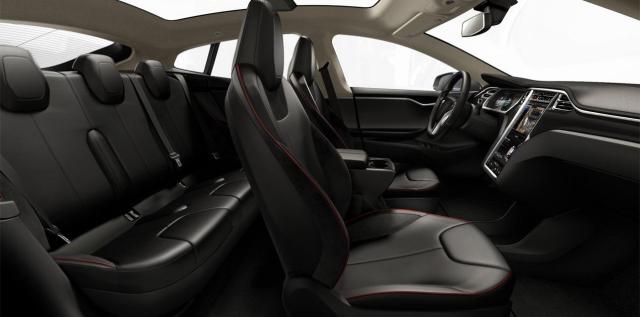
Given I described the first impression of the car quite extensively in my first review I’ll pass on the details but what strikes you every time you step into the Model S is how spacious it is. The absence of an engine in the front has left space for quite a sizeable, second luggage compartment of 150 litres, easily fitting two larger bags, which together with the hatchback solution in the rear means around 900(!) litres of luggage space with five seats (and over 1600 litres if you fold the back seats). This means the Tesla is a true family car option, as long as your children are not oversized (the limited headroom on the back seats means people over 180 cms will hit the roof).

Tesla-Model-S-white-right-front-1-1024x640

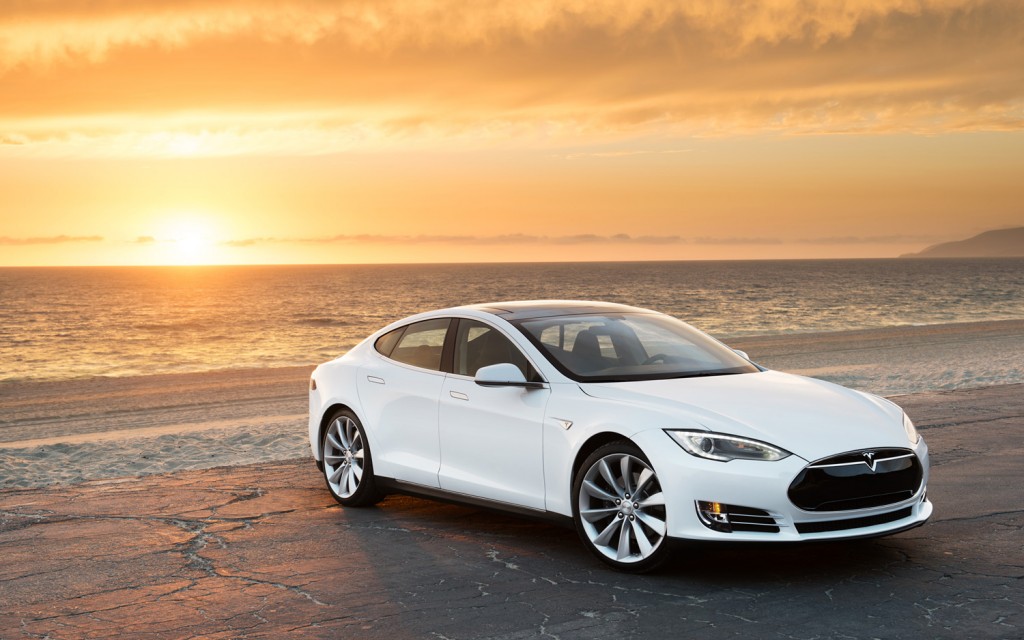
With the Tesla salesman (a converted banker, mind you…) next to me, I took possession of a pearl white Model S with black interior, to me the best colour combination. It had the stronger of the two offered engines (85 KwH, 414 bhp, range around 400 kms) with the so called performance package, meaning a better handling chassis and a torque of 600 Nm, rather than 440 Nm in the standard 85 KwH version. It also featured the panoramic roof that opens larger than the sun roof of any other current production car.

Driving a Tesla in the city is quite undramatic. Obviously there is no engine noise but to be fair, I don’t hear the engine in my MB either, and the Tesla is still exposed to surrounding noise. Fascinating at first, but easy to get used to, is the strong engine breaking sensation developing as you take your foot off the pedal. This is the engine regenerating electrical power and once you learn to manage it (which takes roughly 5 minutes), it means you can actually drive the car without breaking in 9 cases out of 10. It also means that driving down an alpine road for example, when regeneration will be particularly high, your range will develop positively. What also strikes you immediately is obviously the 17 inch info screen that occupies the center of the car and from which basically everything is handled. This system always has an internet connection, over Wifi or 3G, financed by Tesla all through Europe. That’s right, no roaming charges if you take the car on a trip abroad!
Tesla-Model-S-Performance-interior-seat

With this in mind, the remaining driving experience in the city is completely undramatic. The car handles well, together with the suspension clearly on the sporty side, quite reminiscent of a 5-series BMW. Seats are comfortable (although they could do with some more lateral support) and the cabin, lacking a transmission tunnel, is very roomy.

And then at some point you come onto the motorway, and this is when all you thought you knew of motoring (or indeed electrical cars!) changes – forever. The nature of an electrical car means that torque is constant irrespective of the speed, and power delivery is instant, as there is no transmission, turbo or other to delay it. So when you floor it at 60, 80 or 100 km/h, you immediately have 600 Nm of torque hitting you in the blink of an eye. This means the Tesla does 0-100 km/h in around 4.5 seconds but even more impressive, it does 80-120 km/h in less than three seconds, roughly on par with a Panamera Turbo, but beating an Aston Martin Rapide (that money-wise will both set you back considerably more). The feeling when it does so is quite simply unlike anything you have ever experienced. It is also very, very addictive, and something every motor enthusiast should try out.

On smaller roads the impression of a well-handling, rather sporty car is confirmed. Given the 600 kgs of battery power sit in the floor, the center of gravity is low, and weight repartition at 48/52 is excellent. Sure, it doesn’t behave like a 911, but again this is a large, family sedan. It may feel slightly heavy (after all it weighs 2.1 tonnes…) but there is no roll to talk about, steering is precise and the (air) suspension is well-behaved.
images
Not a recommended way of driving considering the range…

No negative points? Sure, there are a few. As mentioned the seats could be more supportive, the fact that a high-tech car like the Tesla lacks modern functions such as a lane assist or an intelligent cruise control is disappointing, and some parts of the interior, especially in the boot, lack premium feel. But when you floor that pedal, you will forgot all of the above very quickly…

Since my first visit at Tesla, the company has cut delivery times to 4-5 months, and the Model S has become the most sold car in Norway, a country with high car taxes but strong subsidies on alternative fuel cars. And looking at the financial side even if you live outside of Norway is quite interesting (at least in Switzerland but surely in other countries as well): buying a properly equipped 85 KwH Model S sets you back around 105.000-120.000 CHF, i.e. roughly the same as a large German sedan with similar equipment (but without an engine that in any way can match the experience). But after that, it’s only good news. Comparing costs to my current MB E350, this is what it looks like: no road tax for electrical cars in Zurich (+700 CHF), service included for the first four years (around +1000 CHF on 20.000 kms/year), cheaper insurance (+700 CHF) and “fuel” costs on 20.000 kms of around 600 CHF rather than around 3700 CHF (+3100 CHF) in my case means a net saving of around 5500 CHF – per year. From that perspective, the price is more than fair. There is also a 4 year warranty on the car and 8 years on the batteries, and a resell level that will probably by far exceed conventional cars.

Tesla is also becoming a serious pain in the butt for larger (German) carmakers. How can a company with no car manufacturing tradition and a couple of thousand employees come up with a car that in some aspects is lightyears ahead of competition? How can they sell it at 100.000 CHF, when a small BMW i3 with some basic equipment but less than half the range (not to talk about the power or the size) costs more than 50.000 CHF? How can Tesla offer an infotainment solution that is constantly online over 3G all over Europe? The Germans had better find an answer to these questions sooner rather than later.

Likewise, it is high time for Europe’s politicians to wake up. This is a car that at zero emissions could seriously change Europe’s automotive landscape, especially if Tesla as promised comes out with a cheaper model in the coming years, Still, in most cases, it is Tesla that needs to finance the power charging stations built over Europe out of their own pocket. Where are the initiatives in this direction from the various types of green parties that like to talk the talk, but rarely walk the walk?

While these questions are answered, go and test drive a Tesla. You won’t regret it…
Big financial problems at Swiss Formula 1 team Sauber

The Swiss-based Formula 1-team Sauber is, like most non-factory teams, in quite acute financial trouble. This summer Sauber announced it had secured financing through a Russian investor as part of a deal to hire the Russian driver Sergei Sirotkin for the 2014 season. A few months on Sauber is still waiting for the money, and the number of unpaid bills keep increasing. The company currently has 57 creditors that have started legal enforcement procedures for a total amount of around 500.000 CHF, including the Zurich electricity power company, that Sauber ows around 50.000 CHF. It could therefore be that the lights literally go out soon at Sauber’s HQ in Hinwil outside of Zurich, and one can’t help wondering how a F1 team can possibly survive another season if it can’t pay its running costs? If the Russian money does not come soon, the odds are that there will be at least one team less in the 2014 F1 line-up!

Image

Sauber F1 team – soon without engine and wheels?


As seen in Amsterdam… the Artega GT

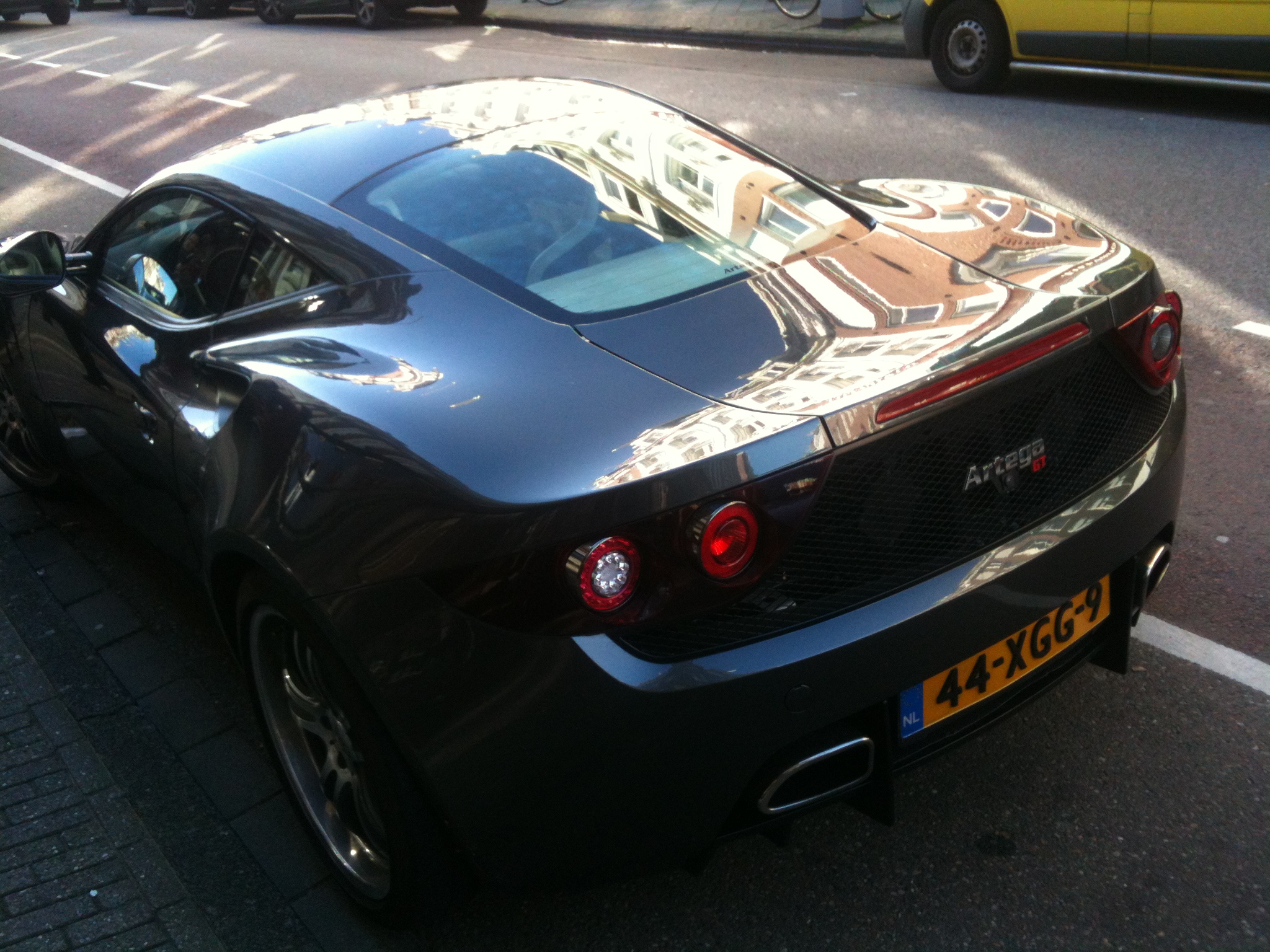
On a recent trip to Amsterdam walking down one of the main shopping streets, I passed a quite beautiful car I’ve never seen before. Having read up on its history afterwards I suspect I may not be the only one to which this was a new discovery, and I am thus happy to introduce you to the Artega GT from the German brand Artega! Image

Artega was founded in 2006 as a small car manufacturing company. The first and only model GT was shown in Geneva in 2008 and production started in 2009, in a new plant built in the German city of Delbrück. It was powered by the 6-cylinder, 3.6 litre 300 hp engine that was also found in some VW top models,  along with the VW six-speed DSG gearbox. The limited weight of around 1300 kg helped it to a 0-100 km/h time of 4.8 seconds and a top speed of over 270 km/h. Marketed at a very reasonable price of around 75.000 EUR as new, the Artega GT received quite a lot of praise from the automotive press. Chassis and handling and value for money were deemed very good, the somewhat dead steering feel, the oversized rearview mirrors and some typical small-manufacturer tweeks less so. 

Image

Unfortunately, as with so many small scale manufacturers, the 35-employee Artega car company didn’t survive for long. After a couple of company restructurings and plans for both a convertible and an electric hybrid version, production ceased in 2012 after as little as 130 cars produced. Obviously most of these are still around today, but it’s still far from a car you risk seeing on the next corner. There are currently 12 Artegas for sale on the German site mobile.de, with prices starting just below 50.000 EUR. For a very rare car likely to preserve value quite well, no doubt offering quite a lot of driving thrill and based on an engine and gearbox that can be serviced at the next VW garage, that is actually quite a bargain…

Oldtimer Sunday Morning Meeting

From late spring to early fall, the Swiss city of Zug hosts an oldtimer event called the Oldtimer Sunday Morning Meeting, a nice gathering with a beautiful mix of 150-200 cars from the 10’s (1900 that is) to the 80’s. The official end of the season is celebrated with a parade through the city center of Zug, which is reserved for the oldtimers for this occasion. The 2013 parade took place today, and even though the weather gods could have been friendlier, it was a great day of which a few pictures can be seen here below.

Image 

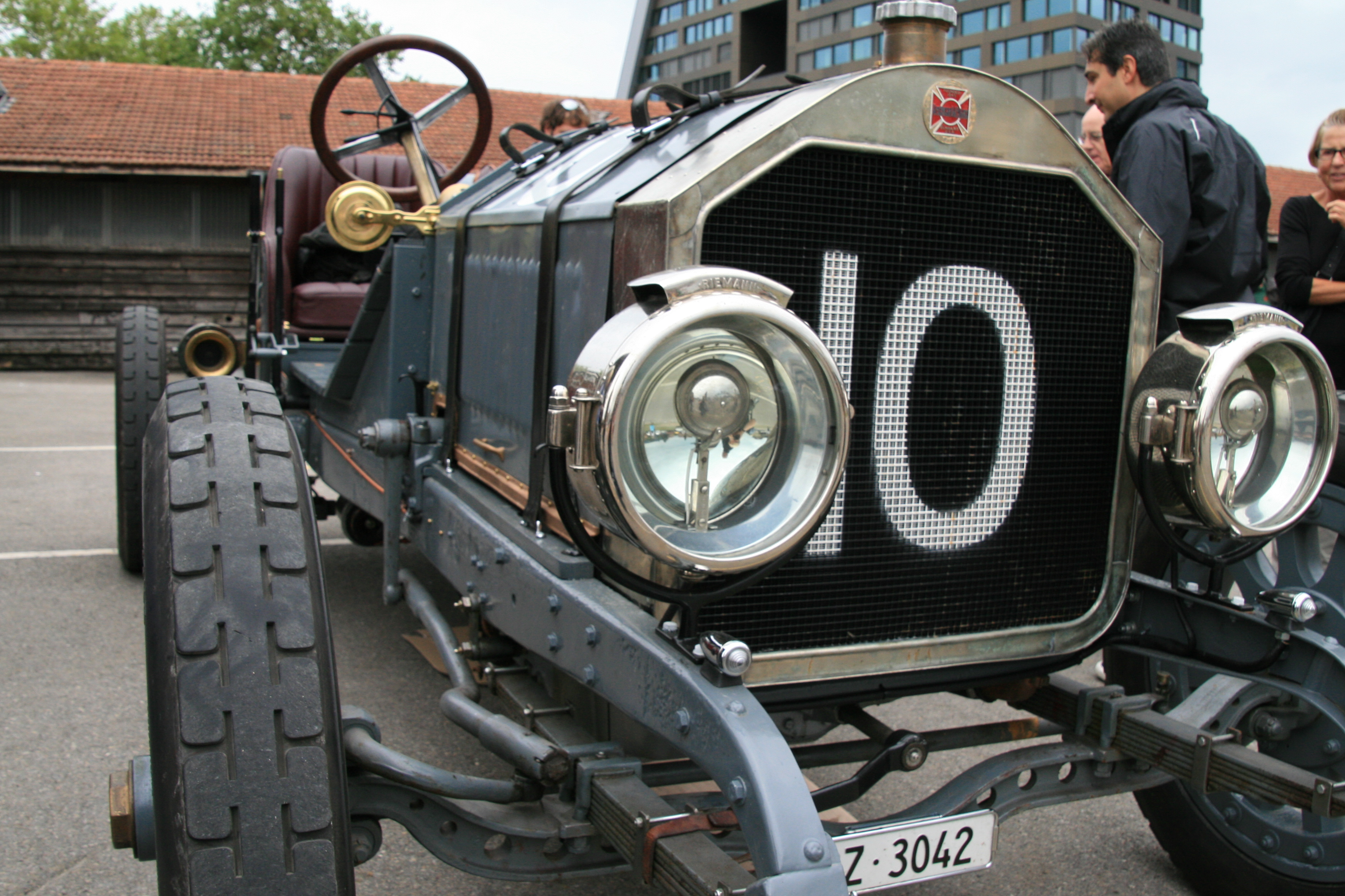
One of the oldest participants from the somewhat forgotten brand American la France…

 Image

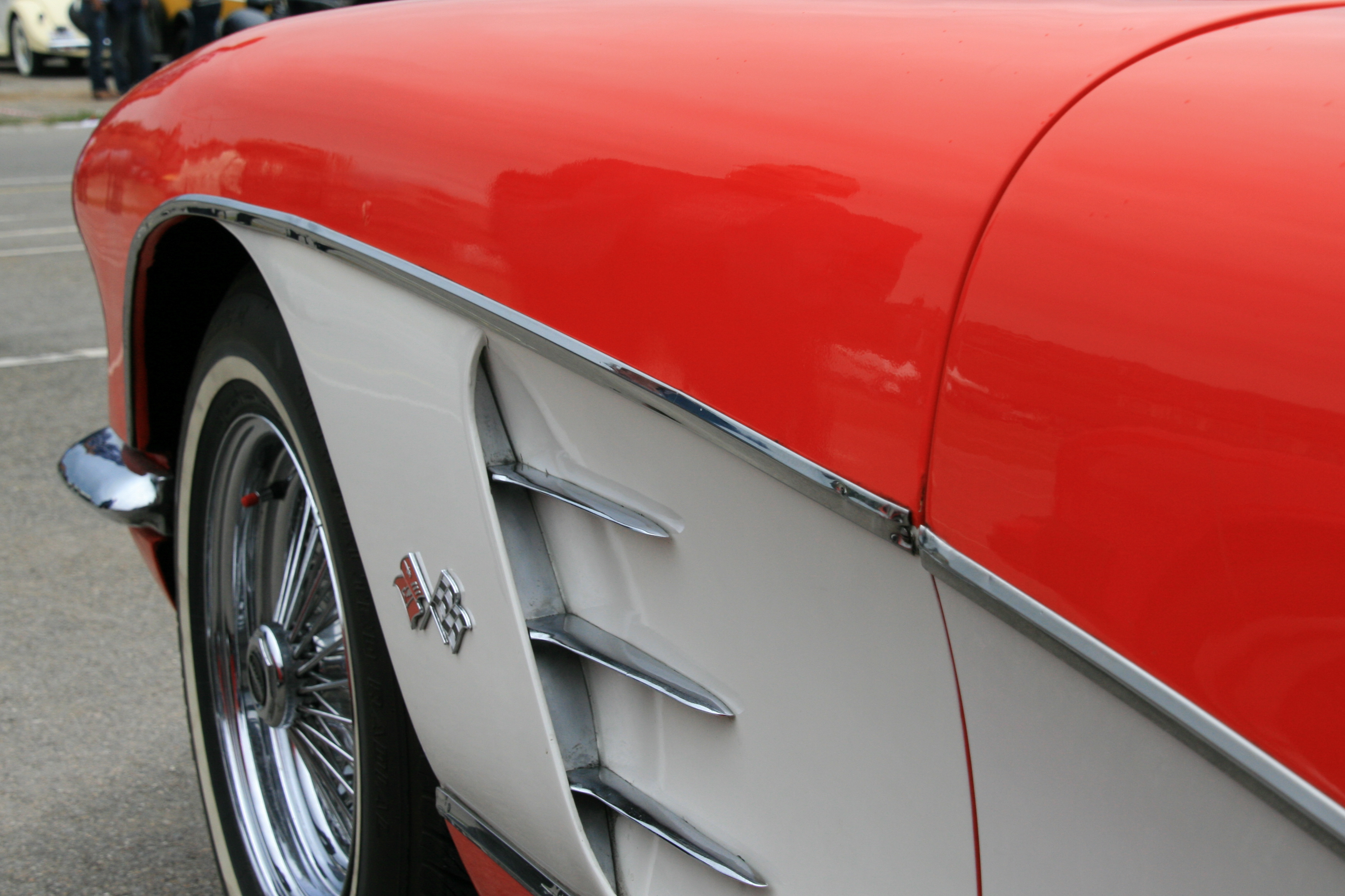
 .to the more recent, beautiful 50’s curve on this early Corvette.

 Image

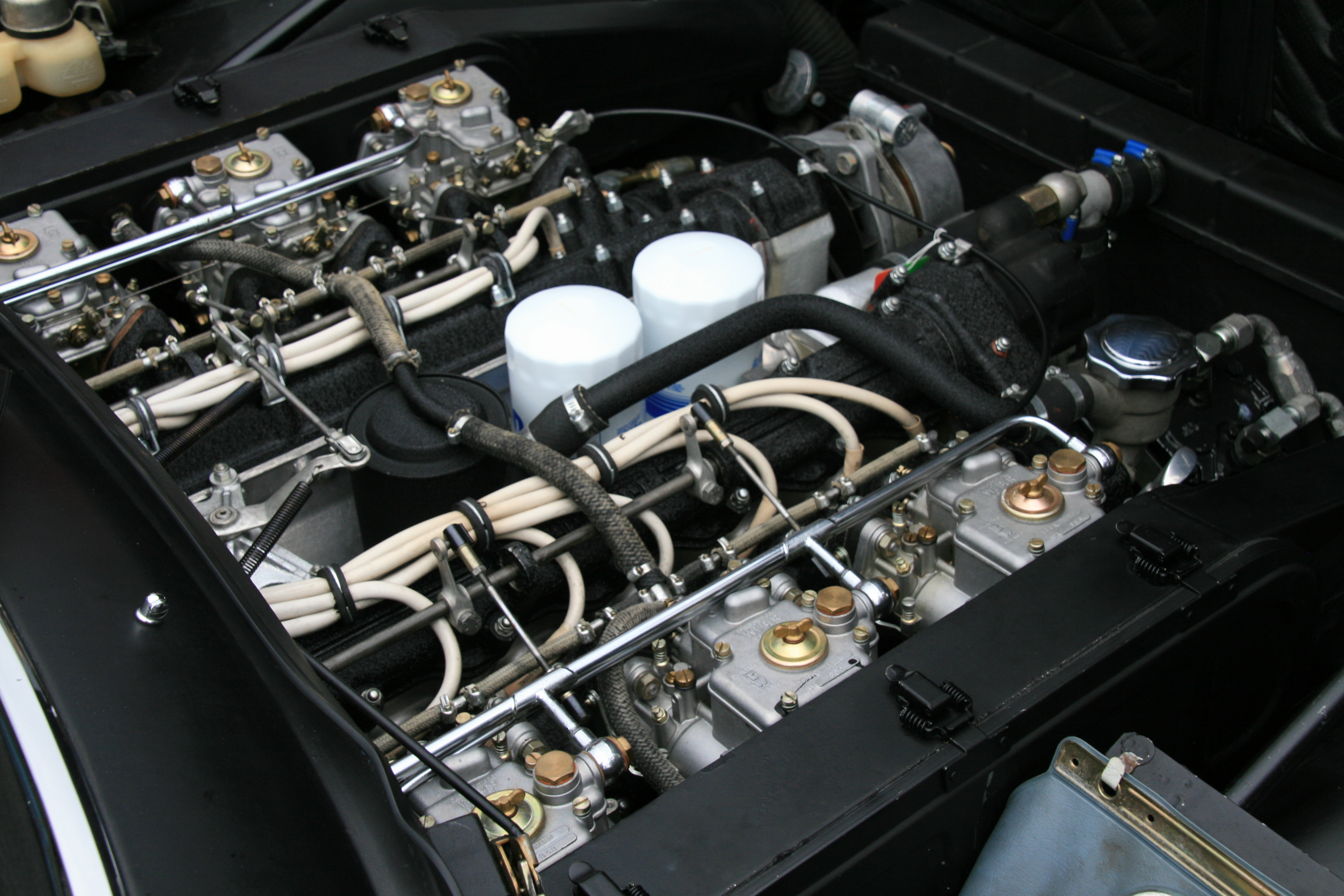
 Under the hub of a Ferrari 365. 12 cylinders, 6 carburettors, 100% mechanic…

 Image

Mercedes 540 K.


Image

 .and a beautiful Bugatti with an even greater sound from the 20’s. 

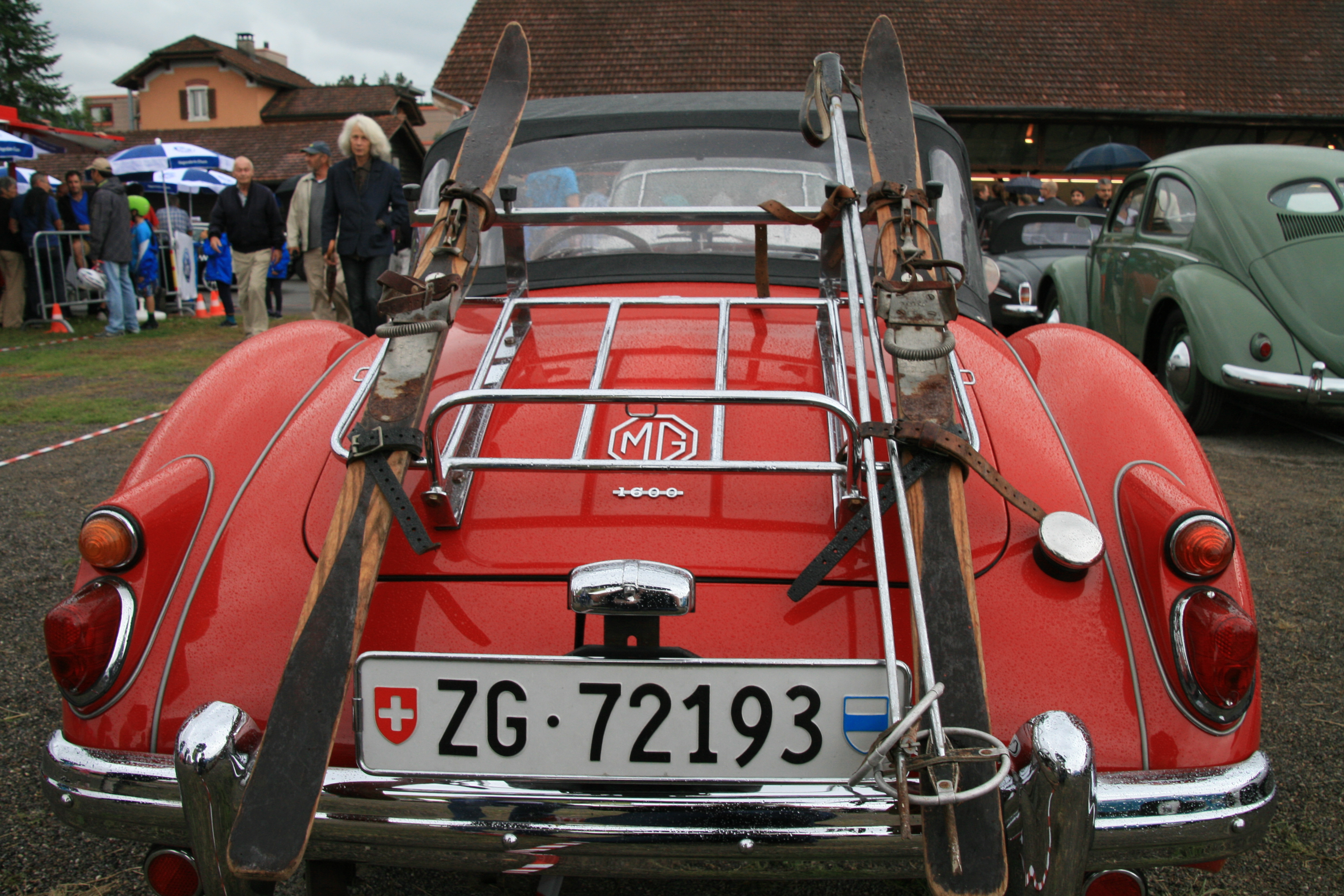
 Image And finally, Swissness obliges!